Trues Toys

1. Early Childhood Care and Education (ECCE) in Lesotho
Analyzing local demand factors, NGO frameworks, and structural infrastructure shifts across Maseru and rural highlands.
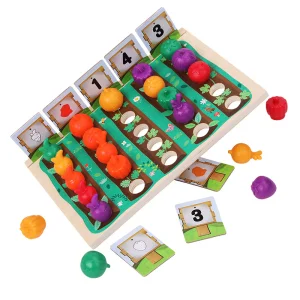
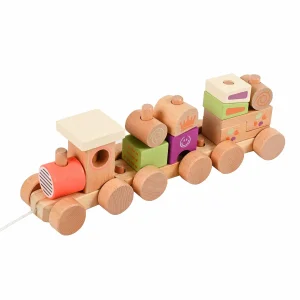
The Kingdom of Lesotho is witnessing a significant transformation in its foundational education structures. With the Ministry of Education and Training (MoET) prioritizing the rollout of the Early Childhood Care and Development (ECCD) policy framework, school systems are pivoting toward tactile, play-based learning assets. Historically, educational institutions in Southern Africa relied on low-cost plastic learning toys. However, high breakage rates, chemical hazards (such as plasticizers and phthalates), and lack of ecological viability have catalyzed a massive transition toward high-durability, sustainable wood.
In Lesotho, where rural topography in regions like Thaba-Tseka, Mokhotlong, and Qacha’s Nek challenges logistical continuity, supplying toy materials that can withstand severe weather changes and rough handling is critical. Wooden toys engineered from premium birch, beech, and rubberwood represent a one-time capital investment that endures for generations, offering extreme value to school districts and NGO-backed development zones.
Furthermore, international donor agencies operating in Lesotho (such as UNICEF, World Vision, and local community trusts) demand strict environmental and social compliance during procurement. Products must not only pass international safety benchmarks (such as EN71 and ASTM F963) but must also support the local curriculum’s cognitive milestones: sensory motor skills, numeracy integration, language acquisition, and structural problem-solving.