Trues Toys
Trues Toys
Trues Toys
Advanced engineering across building blocks, educational modules, custom vehicles, and interactive recreational prototypes.
An authoritative analysis of standard methodologies, supply dynamics, and high-fidelity production criteria.
In the highly competitive world of licensed pop-culture IP, high-fidelity replica design, and commercial toys, identifying the top action figures factories is paramount. A top-tier manufacturing partner is not merely a vendor; they are a critical custodian of intellectual property, engineering assets, and brand reputation. Today's global market demands precision tolerances down to ±0.01mm, complex multi-material integration (such as co-molding ABS with PVC, POM, and TPE), and strict chemical compliance protocols to pass international customs audits.
Historically concentrated heavily in South China's specialized industrial corridors, premium action figure factories are shifting toward hybrid production infrastructures. Leading facilities integrate high-tech digital design processes (incorporating CAD/CAM systems, stereolithography, and haptic virtual carving) with traditional artisan techniques. These processes ensure that original hand-sculpted aesthetics are faithfully scaled into durable, highly articulated commercial products. The modern landscape is defined by factories that have evolved past basic toy assembly into advanced engineering research houses.
Mastery in fusing rigid structural polymers (ABS) with pliable surface elements (PVC/TPE) to ensure realistic weight, tactile feel, and dynamic motion profiles.
Implementation of multi-cavity injection molds utilizing S136 tool steel, prolonging mold lifespans to over 500,000 shots while retaining critical sharp-edge details.
Rigorous in-house chromatograph testing matching standards under ASTM F963, EN71, and REACH to guarantee complete lead and phthalate-free outputs.
A detailed blueprint comparing consumer toy manufacturing versus collector-grade action figure production.
Understanding the exact tolerances and materials utilized at the manufacturing plant level helps toy companies plan their development pipelines and amortization budgets accurately. Premium-grade factories maintain distinct parameters across material categories, mold design, paint layers, and articulation points.
| Feature Spec | Mass Market Toy Grade | Premium Collector Grade | High-End Articulated Masterpiece |
|---|---|---|---|
| Primary Materials | Recycled PVC, Low-grade ABS | Virgin ABS, Plasticized PVC, POM | PA (Nylon), Diecast metal, POM, TPE, ABS |
| Points of Articulation (PoA) | 5 - 11 joint joints | 16 - 28 points of articulation | 32+ custom ball & ratchet joints |
| Mold Tooling Steel Type | NAK80 or P20 Steel (Local) | S136 Hardened Steel | High-end Assab S136 / German Steel |
| Paint Application Details | Basic spray, 5-10 operations | Pad printing, 20-30 spray operations | Digital UV print, 50+ ops, airbrushing |
| Joint Tolerances | ±0.05 mm | ±0.02 mm | ±0.005 mm (Micro-engineered fit) |
As indicated in the table, the jump from standard mass toy production to high-end collectibles requires a major upgrade in mechanical precision and polymer selectiveness. In premium factories, POM (Polyoxymethylene) is utilized for interior joint pegging due to its exceptional self-lubricating properties, dimensional stability, and high resistance to wear under friction. Standard plastics will quickly degrade, warp, or crack under repetitive posing, ruining the end-user experience.
How top-tier plants optimize production pipelines to handle fluctuating order volumes and complex physical assemblies.
The core asset of any action figure line is the injection mold. High-end factories utilize complex multi-slide and mechanical core-pulling molds to accommodate undercuts in dynamic poses. Without these advanced tool shapes, figures would need to be divided into dozens of separate, glued components, increasing assembly line costs and lowering durability. Using CAD software, engineers simulate molten plastic flow patterns to spot and prevent sink marks, gas traps, and weld lines before metal tooling begins.
A persistent challenge in action figure manufacturing is ensuring long-term joint tightness. A figure that cannot hold a pose fails to meet collector expectations. Advanced plants resolve this through high-precision engineering of friction-fit ball joints, pinless double elbows, and ratchet mechanisms. During quality assurance, robots subject test samples to 5,000 articulation repetitions. Joints must retain at least 80% of their initial torque to pass the quality threshold.
Capturing complex character likenesses (such as realistic human eyes or weather-beaten sci-fi armor) is achieved via a mix of pad printing, automatic spray masks, and high-fidelity digital direct printing. Premium factories use custom painting jigs and multi-stage alignment templates to apply up to 60 distinct spray steps on a single 6-inch model. Automated UV-curing lines make the paints scratch-resistant and protect them from UV-fading over time.
Ensure your prospective action figures factory meets these criteria:
Ensuring cross-border compliance across major markets like North America, the European Union, and the Asia-Pacific region.
Ensuring all mechanical design hazards (sharp points, small parts, choking indicators) and chemical standards are tested and verified for seamless import into the United States.
Compliance with strict European Union standards regarding physical properties, flammability limits, and chemical migration of 19 toxic heavy elements.
Secure facilities featuring 24/7 camera monitoring, restricted network zones, and segmented production floors to prevent unauthorized IP leaks before a product's official launch.
Global brands need local logistics support to handle shipping delays and changing port conditions. Leading factories offer hybrid shipping programs, including sea-air distribution, regional custom clearance assistance, and localized warehousing near major global trade hubs. By coordinating with port operations directly from the factory, transit times can be reduced by 10 to 14 business days.
Our mission is to make the world smile. We offer a wide range of innovative, high-quality toys and nursery products that kids love and parents ask for by name. We never take for granted the role our products play in the lives of children and families. We want to earn your trust and loyalty by manufacturing high quality products that deliver safety, value, and a little Trues magic. What can we do to make you smile?
Our vision is to grow globally by building trust, spreading a little Trues magic, and caring enough to go the extra mile.
Visit TAKARA Trues for corporate information.
How next-generation factories integrate AI, sustainable materials, and smart tech into action figure production.
Integrating machine learning algorithms to compute ideal joint stress points, automatically adjusting plastic wall thicknesses to minimize plastic waste while enhancing structural integrity.
Transitioning away from oil-based plastics to biodegradable PVC alternatives and plant-derived ABS materials, helping toy brands meet corporate carbon-neutral goals.
Integrating ultra-thin NFC chips and e-ink displays directly into figures, allowing collectors to verify physical authenticity and connect figures to interactive video games.
Expert answers addressing the key questions related to raw materials, pricing structures, tooling investments, and global sourcing.
A diverse range of custom educational toys, high-grade collectibles, and specialty component kits.
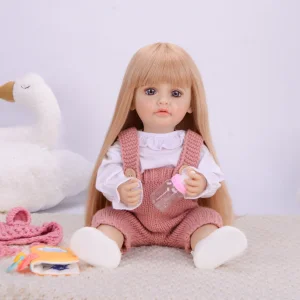
2025 New Hot Reborn Dolls with Early Childhood Education Fuction Talking Baby Dolls with Girl
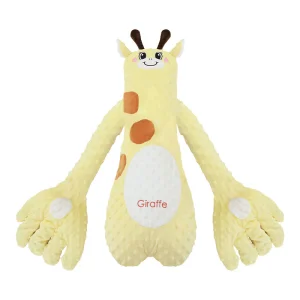
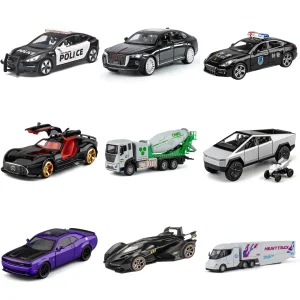
Scale Diecast Model Cars Educational Toys Kid Vehicle Toys Customizable Toy Manufacturer
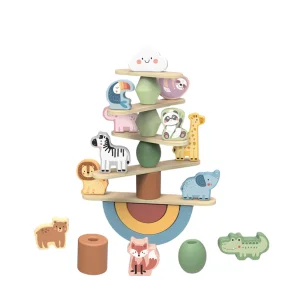
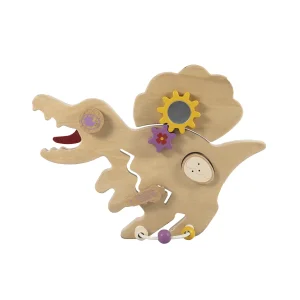
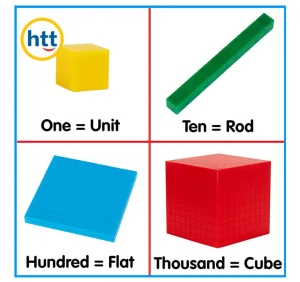
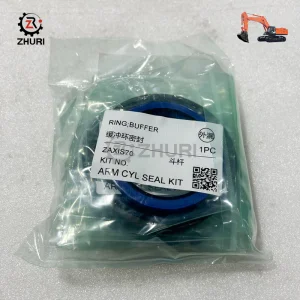
Hot Sale O- Ring Rubber Parts Nok Corteco Arm Cylinder Seal Kit for Zaxis70
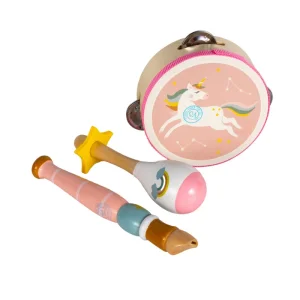
Educational Wooden Kids Musical Instruments Drum Wholesale Pink Drum Toys Set