Trues Toys Trues Toys

Why Should I Buy Eco Friendly Toys for My Kids?

Time:2026-08-18 Author:Madeline
0%

In recent years, the concern for children's health and the environment has surged. Parents often ask, "Why should I buy eco-friendly toys?" Research indicates that plastic toys dominate the market, with around 90% of them being made from non-biodegradable materials. This alarming statistic highlights the importance of sustainability in toy selection.

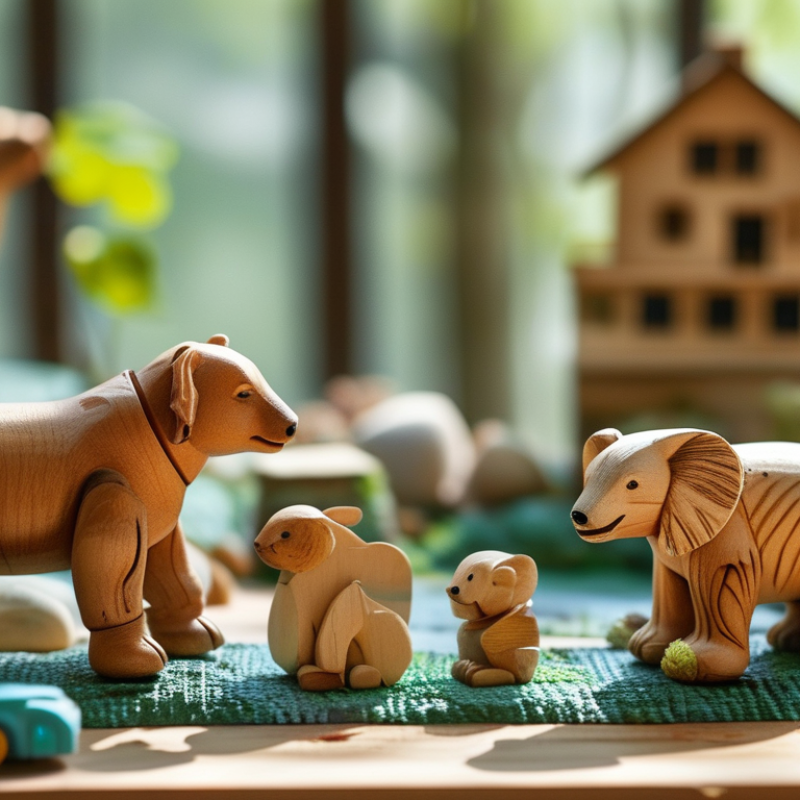
Eco-friendly toys made from natural materials significantly reduce environmental impact. Reports show that they often use organic cotton, wood sourced from responsibly managed forests, and non-toxic dyes. Choosing these toys not only promotes a safer play environment but also educates children about caring for the planet. A survey found that 75% of parents believe eco-friendly toys foster environmental awareness in their kids.

However, not all eco-friendly toys are perfect. Some may be more expensive, which can limit accessibility for families. Additionally, the market is flooded with misleading claims. Parents must research and ensure that the products they choose align genuinely with eco-friendly values. It’s crucial to make informed decisions for the wellbeing of children and our Earth. Thus, understanding the benefits of eco-friendly toys can lead to better choices.
Why Should I Buy Eco Friendly Toys for My Kids?

Understanding Eco Friendly Toys and Their Benefits

Eco-friendly toys are gaining popularity among parents who are concerned about health and the environment. These toys are typically made from sustainable, non-toxic materials. This shift is supported by a study from the American Academy of Pediatrics, which indicates that children are particularly susceptible to harmful chemicals in traditional toys. The choice of eco-friendly toys can greatly reduce this risk.

Research suggests that eco-friendly toys can enhance a child's development. According to a report by the Toy Industry Association, these toys often encourage creative play. Unique designs and natural materials stimulate children's imagination more than plastic toys. Moreover, parents report that eco-friendly toys last longer. They withstand the rough play and usual wear and tear better than their conventional counterparts.

Statistics highlight that the global market for eco-friendly toys is expected to reach $1 billion by 2025. This growth illustrates a strong shift towards sustainability. However, not all eco-friendly toys are created equal. Some products claim to be green, yet lack appropriate certifications. Parents must be vigilant and look for verified labels. While choosing correctly can benefit kids and the planet, the landscape of eco-friendly products can be confusing. More awareness is needed for informed choices.

The Environmental Impact of Traditional Toys

Traditional toys often contribute significantly to environmental degradation. Many are made from plastic, which takes hundreds of years to decompose. This means that when we dispose of these toys, they end up in landfills, polluting the earth. Furthermore, the production process emits harmful pollutants into the air and water systems. This impact remains largely invisible, but it accumulates with each toy produced.

Choosing eco-friendly toys is a substantial step towards minimizing this footprint. These toys often utilize sustainable materials like wood, organic cotton, or recycled plastics. Such choices not only reduce waste but also promote healthier manufacturing practices. It’s crucial to recognize the environmental cost of our choices. A plastic toy might seem harmless, but each purchase compounds the issue. By opting for eco-friendly alternatives, we foster a cycle of sustainability.

However, it's important to reflect on available options. Not all eco-friendly toys are made equal. Some may still contain harmful chemicals, even if they are marketed as "green." Researching brands and materials is essential. Empowering ourselves with knowledge can lead to better choices for our children's future.

Health Benefits of Eco Friendly Toys for Children

When considering toys for children, eco-friendly options offer significant health benefits. Conventional toys may contain harmful chemicals like phthalates and lead. A report from the American Public Health Association highlights that these substances can disrupt children’s hormonal systems. Eco-friendly toys, made from natural materials such as wood or organic fabrics, minimize exposure to these toxic elements.

Research indicates that children are particularly vulnerable to environmental toxins. The CDC (Centers for Disease Control and Prevention) suggests that toy safety is crucial for healthy development. Eco-friendly toys often undergo rigorous testing and certifications. This ensures that they are safe for kids to play with and less likely to contribute to health issues. Cheaper, plastic toys frequently lack this level of scrutiny.

Taking a closer look, eco-friendly toys can inspire creativity and imagination. Simple designs encourage children to engage in open-ended play, which is vital for cognitive growth. However, not all eco-friendly toys guarantee quality or safety. Parents need to research and choose wisely. Eco-friendly doesn’t always mean safe. The toy industry is still navigating this evolving landscape.

Health Benefits of Eco Friendly Toys for Children

Supporting Sustainable Practices through Toy Choices

Choosing eco-friendly toys for your children can significantly impact our planet. These toys are often made from sustainable materials. They help reduce plastic waste and are safer for your kids. Many eco-friendly options come from renewable resources. For example, bamboo and organic cotton are popular choices. These materials not only benefit the Earth but also provide a safer play environment.

By supporting sustainable practices through toy choices, you teach your children the value of caring for the world. They learn that their decisions matter. This fosters critical thinking in young minds. However, it can be challenging to find truly sustainable options amidst marketing noise. Parents need to research products carefully. Not all brands claiming to be eco-friendly are transparent about their practices. It's essential to examine how toys are made and to consider their end-of-life impact.

Energy and resource conservation are crucial topics. Eco-friendly toys often align with these principles. They promote a lifestyle that respects nature. As you navigate this choice for your kids, remember that perfection is not the goal. Every eco-conscious decision, no matter how small, contributes to a greener future. Engaging in this journey together can build awareness and responsibility in your family.

Promoting Conscious Consumerism in the Toy Industry

When considering eco-friendly toys for your kids, the idea of conscious consumerism takes center stage. Each purchase we make impacts the environment. Traditional toys often use harmful materials and contribute to waste. By choosing sustainable options, you promote a healthier planet. This choice supports ethical manufacturing practices that prioritize safety and sustainability.

Parents can feel empowered knowing their purchasing decisions matter. Eco-friendly toys often use natural materials, reducing chemicals in play. These toys tend to be durable, leading to less waste over time. However, not every eco-friendly option available is genuinely sustainable. It's vital to research manufacturers and their practices. Transparency in sourcing materials is key.

Promoting conscious consumerism means engaging in thoughtful discussions about our purchases. Encourage children to understand where their toys come from. Share stories about how toys are made and their journey. This ongoing dialogue fosters awareness and responsibility. It isn't just about buying; it's about cultivating a future generation that cares for the Earth. The choices we make today shape the world they will inherit.

Why Should I Buy Eco Friendly Toys for My Kids? - Promoting Conscious Consumerism in the Toy Industry

Dimension Eco-Friendly Toys Conventional Toys
Materials Used Bamboo, Recycled Plastics, Natural Rubber PVC, Non-biodegradable Plastics, Synthetic Materials
Impact on Environment Lower Carbon Footprint, Sustainable Production High Carbon Footprint, Toxic Waste
Child Safety Non-toxic, Chemical-free Potential Presence of Harmful Chemicals
Durability Built to Last, Often Repairable Often Single-use, May Break Easily
Educational Value Encourages Imagination, Often STEM-focused Limited to Standard Play Options

FAQS

: What impact do traditional toys have on the environment?

: Traditional toys contribute to pollution and waste. Many are made from plastic that takes centuries to decompose.

How can eco-friendly toys help the environment?

Eco-friendly toys use sustainable materials, reducing waste and promoting healthier manufacturing practices.

Are all eco-friendly toys truly safe?

Not all eco-friendly toys are safe. Some may still contain harmful chemicals despite being marketed as green.

Why is conscious consumerism important in the toy industry?

Conscious consumerism promotes sustainability. Each purchase influences the environment and encourages ethical manufacturing.

How can parents encourage kids to understand toy sourcing?

Parents can share stories about toy production. Discussing origins cultivates awareness and responsibility in children.

What materials should we look for in eco-friendly toys?

Look for toys made from wood, organic cotton, or recycled plastics. These materials are better for the planet.

How does the production of traditional toys harm the environment?

Traditional toy production releases harmful pollutants. This pollution affects air and water quality, impacting ecosystems.

Why should my family consider eco-friendly toys?

Eco-friendly toys often last longer, reducing waste. They also minimize the exposure of children to harmful chemicals.

What is the role of transparency in toy manufacturing?

Transparency helps consumers understand sourcing and manufacturing practices. This knowledge leads to better, informed choices.

Can choosing toys affect the future of our planet?

Yes, our choices today shape the future. Promoting sustainability in toys can create a healthier world for future generations.

Conclusion

Choosing eco-friendly toys for children is an important decision that can have profound positive effects on both health and the environment. Traditional toys often contribute to pollution and environmental degradation, while eco-friendly alternatives are made from sustainable materials that minimize environmental impact. By selecting these toys, parents not only protect their children's health—avoiding harmful chemicals found in many conventional toys—but also support sustainable practices that benefit future generations.

When considering "Why should I buy eco-friendly toys," it's clear that such choices promote conscious consumerism in the toy industry, encouraging manufacturers to adopt greener practices. By opting for eco-friendly options, we can make a difference in the toy market, steering it towards a more sustainable and responsible direction. Ultimately, purchasing eco-friendly toys empowers families to contribute positively to the environment while providing safe and healthy play experiences for children.

Madeline

Madeline

Madeline is a dedicated marketing professional with a wealth of expertise in our company's core offerings. With a keen understanding of the industry, she brings a unique perspective to her role, consistently delivering high-quality content that highlights the superior aspects of our products. As......