 Trues Toys
Trues Toys
Trues Toys
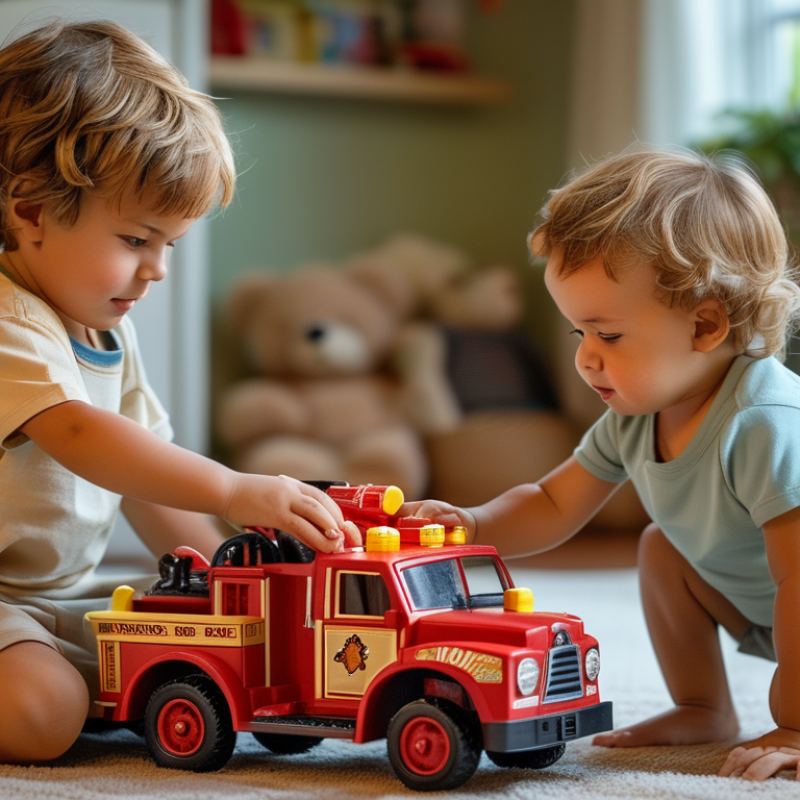
Teaching children to share toys is not about forcing a quick “yes.” It is about building empathy, patience, communication, and trust through repeated practice. In this guide, we explore How to encourage kids to share toys using simple strategies that fit real family life. Think of two children reaching for the same red fire truck. One child grips it tightly. The other begins to cry. This moment needs guidance, not shame.
Child-development psychologist Dr. Laura Markham describes the principle clearly: “Sharing is a developmental skill that children learn over time.” Her view reflects an important truth. Young children often understand ownership before they understand cooperation. Parents can model turn-taking, name feelings, use short timers, and create shared play routines. Small steps matter.
No magic phrase works every time. Not even close. A child may share happily on Monday and refuse on Tuesday. Hunger, tiredness, age, and the toy’s emotional value can change everything. This article presents ten practical approaches, including asking instead of demanding, preparing children before guests arrive, and praising thoughtful behavior without labeling a child “good.” It also considers when children should keep a special toy private. That part can feel uncomfortable, but respect matters. Effective guidance leaves room for mistakes, repair, and another attempt. The goal is not perfect sharing. It is helping children become more secure, considerate, and capable during everyday play.
Top 10 Ways to Encourage Kids to Share Toys
Understanding Why Children May Resist Sharing
Sharing can feel like losing control, especially for toddlers. A favorite truck may represent comfort, safety, or a hard-earned sense of ownership. Children also struggle with waiting because their brains are still developing impulse control. “It’s mine” often expresses fear, not selfishness.
In my experience, children cooperate more when adults slow down. Model sharing with a snack or book. Name the feeling: “You are not ready to lend it.” Give a short warning before another child’s turn. Offer two choices, such as sharing the blocks or choosing a different toy. Begin with easy turn-taking. Use a small timer when waiting feels confusing. Let children protect one special toy. Praise specific effort, like “You handed her the red car.” Practice simple words, including “Can I have it when you finish?” Help children repair problems after grabbing or shouting.
Keep expectations realistic. A preschooler may share for thirty seconds, then change their mind. That still offers useful practice. Avoid forcing a child to surrender a comfort object in front of others. It can increase anxiety and resistance. I once praised quick sharing too strongly, and the child became upset when the toy returned. My mistake was missing the need for control. Calm limits work better than public pressure. Stay nearby, describe what happened, and guide the next turn. Children learn generosity through repeated, safe experiences, not one perfect lesson.
| No. | Way to Encourage Sharing | Why a Child May Resist | Recommended Approach | Most Relevant Age | Positive Sign to Look For |
|---|---|---|---|---|---|
| 1 | Model Sharing | Young children learn social behavior by observing trusted adults. | Use simple language while sharing food, materials, or turns: “I’ll share this with you.” | 2–6 years | The child begins offering an item without being prompted. |
| 2 | Teach Turn-Taking | Children may understand ownership before they can manage waiting or delayed gratification. | Use short, predictable turns with a timer, song, or verbal cue such as “your turn, then my turn.” | 2–5 years | The child waits briefly and returns the toy when the turn ends. |
| 3 | Respect Special Possessions | A favorite or comfort object may feel closely connected to the child’s identity and security. | Let the child set aside a few special toys that do not have to be shared. | 2–8 years | The child is more willing to share toys designated for group play. |
| 4 | Use Cooperative Games | Competition, unfamiliar settings, or previous conflicts can make sharing feel risky. | Choose activities where children build, create, or solve a problem together rather than compete for one prize. | 3–8 years | The child contributes materials or ideas to a shared activity. |
| 5 | Explain the Situation Before Play | Unexpected requests can feel threatening, especially during busy or emotionally intense play. | Give advance notice: “Your friend is coming. Which toys would you like to play with together?” | 2–7 years | The child helps prepare a small selection of shared toys. |
| 6 | Offer Limited Choices | Children may resist when they feel they have no control over their belongings. | Ask, “Would you like to share the blocks or the animals?” rather than demanding a specific toy. | 2–6 years | The child makes a choice and follows through with the selected option. |
| 7 | Validate Feelings Without Forcing | Pressure or shame can increase defensiveness and make cooperation less likely. | Say, “You are still using it. You can finish your turn, then we can decide what happens next.” | 2–8 years | The child calms down and discusses a solution with adult support. |
| 8 | Practice with Pretend Play | Children may need rehearsal to learn the words and actions involved in sharing. | Use dolls or stuffed animals to practice asking, responding, waiting, and returning toys. | 2–6 years | The child uses phrases such as “Can I have a turn?” during real play. |
| 9 | Praise Specific Actions | General praise may not clearly show which behavior should be repeated. | Name the behavior: “You gave your friend a turn and waited. That helped you play together.” | 3–8 years | The child repeats the helpful behavior in a later situation. |
| 10 | Set Clear, Consistent Boundaries | Children may test limits when expectations change from one situation or adult to another. | Keep rules simple: toys may be protected from grabbing, turns should be respected, and adults will help resolve conflicts. | 2–10 years | The child seeks help or uses the agreed rule instead of grabbing or yelling. |
Note: Sharing develops gradually. Children, especially toddlers, may need adult guidance because self-control, perspective-taking, and understanding of ownership are still developing.
: Sharing can feel like losing control. A favorite truck may provide comfort, safety, or ownership. “It’s mine” may express worry, not selfishness. Children also need time to develop waiting skills.
Explain who owns each toy and how turns work. Use short rules, such as “Ask before taking.” Give a brief warning before another child’s turn. Stay nearby.
No. Forced sharing can increase anxiety and resentment. Let children finish a careful tower or short game. Protecting one special toy can help them feel secure.
Teach simple phrases, including “Can I use it when you finish?” Practice these words during calm moments. Model the phrase yourself. Children need repetition.
A small timer makes waiting visible. A three-minute turn may work beside colorful blocks or a stuffed animal. If arguments continue, shorten the turn. The timer is helpful, but not magic.
Praise the specific action, not the child’s personality. Say, “You handed her the red car.” You waited and asked kindly. Avoid excessive praise, because it may create pressure.
Share an orange and say, “You can have half.” Offer crayons, make room, or choose a book for a sibling. Ask before borrowing a child’s toy. Respecting “no” teaches boundaries.
Stay calm and describe what happened. Help the child repair the problem with an apology or returned toy. Avoid public pressure. I sometimes react too quickly, and that can make things worse.
Expectations should remain realistic. A child may share for thirty seconds, then change their mind. That still provides useful practice. Children learn through repeated, safe experiences.
Learning how to encourage kids to share toys begins with understanding that reluctance is often natural. Young children may feel protective of familiar belongings, worry about losing control, or still be developing empathy and patience. Adults can support them by modeling generous behavior in everyday situations, using calm language, and showing that sharing can create enjoyable experiences. Instead of forcing a child to give up a favorite toy, caregivers can introduce simple turn-taking and cooperative games that make participation feel safe and rewarding.
Clear, age-appropriate rules also help children know what to expect, such as deciding how long each turn lasts and how toys should be returned. Consistent guidance can prevent arguments and encourage fairness. Praise should focus on specific actions, such as waiting patiently, offering a toy, or including another child in play. With repeated practice, positive examples, and encouragement, children can gradually build confidence, empathy, and the social skills needed to share willingly. These approaches offer practical ways for parents and educators wondering How to encourage kids to share toys.
