Trues Toys
Understanding children's play can reveal much about their development. One puzzling observation is “Why do kids get bored of toys quickly?” This phenomenon is not trivial. It speaks volumes about their cognitive and emotional needs.
Kids interact with toys as extensions of their creativity. Initially, a new toy sparks excitement and joy. However, that enthusiasm fades, often leaving parents perplexed. Kids crave novelty and engagement. A toy that once thrilled them may become just another object lying around. They desire interaction that goes beyond the surface.
This situation raises questions about the types of toys available. Are they truly stimulating? Kids often need more than plastic or fluff. They seek experiences and stories that resonate with their lives. Observing their reactions can help parents choose better toys. This ongoing journey invites reflection on how we understand and respond to children's needs.
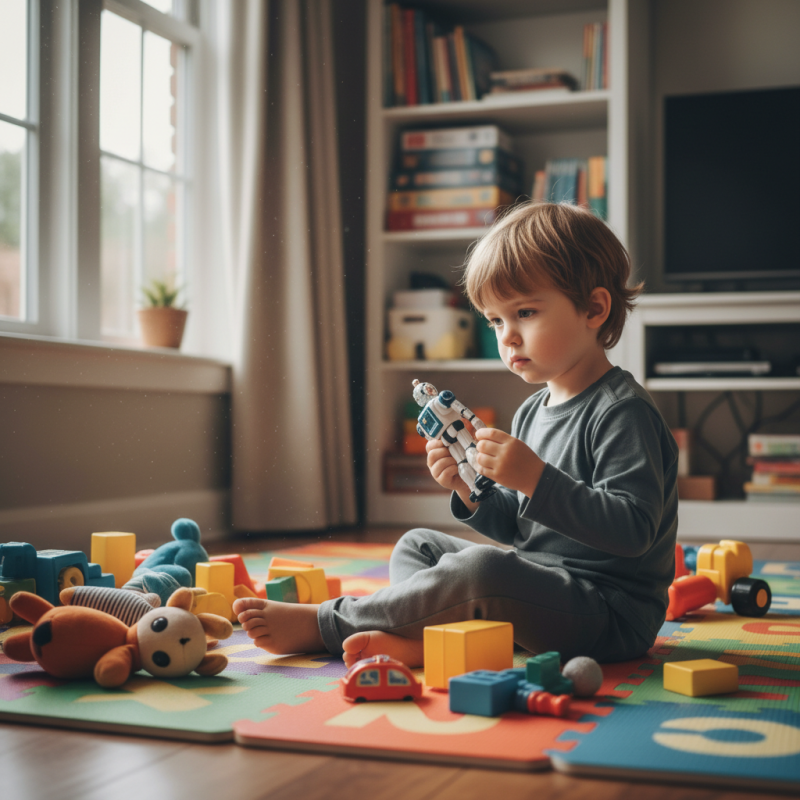
Children’s interest in toys can wane quickly. Several factors contribute to this phenomenon. One significant factor is the rapid advancement in technology. Research suggests that about 69% of parents observe their children losing interest in traditional toys after just a few weeks. This may stem from a desire for novelty and stimulation that new gadgets provide.
Another crucial factor is the tendency for children to seek interactive, social play experiences. A report from the American Academy of Pediatrics indicates that kids engage more with toys that promote social interactions. Toys that can be shared or play with others are often more appealing. In contrast, solitary toys might lose their charm faster.
The age and developmental stage of children also play a major role. As children grow, their cognitive abilities change. A survey revealed that 54% of parents noted that their preschoolers often moved on to more complex play as they developed. This shift underscores the need for age-appropriate toys that evolve with their interests. Kids thrive on challenge and creativity, which keeps their engagement alive.
Children often lose interest in toys quickly. This phenomenon is closely linked to the idea of novelty and variety. Kids thrive on new experiences. If a toy becomes too familiar, its appeal diminishes. They crave stimulation and excitement. With the right amount of variety, play can blossom.
Engaging children in diverse play activities is essential. Offering different types of toys can spark their creativity. Mix educational toys with art supplies and building blocks. This variety keeps their curiosity alive. Creating a toy rotation system can also help. Kids can look forward to new options every few weeks.
Encourage your child to explore outdoors too. Nature provides endless opportunities for discovery. Simple items like sticks and stones can become imaginative tools. Allow them to experiment and create. When kids encounter novelty, their boredom fades. These experiences shape their understanding of the world.
Children's preferences for toys can shift dramatically as they develop. Research shows that children’s interests evolve through various developmental stages. Infants enjoy toys that stimulate their senses. By age two, they crave interactive toys that encourage role-play and creativity. A study by the American Academy of Pediatrics highlights that children often lose interest in toys that fail to evolve with them.
Around ages three to five, children start engaging in imaginative play. They desire toys that allow them to explore different roles. This shifting interest can lead to boredom with conventional toys. According to the Toy Industry Association, 75% of kids reported that they became bored with a toy within a few weeks. This quick turnaround raises questions about the effectiveness of toy design and selection.
As children approach school age, their preferences tend to align with social play and collaboration. They are more likely to enjoy toys that involve teamwork or competition. Yet, many parents find it challenging to keep up with these changes. Offering a variety of toys that stimulate creativity and social interaction can address this. However, it’s essential to remember that not every toy will engage every child. Investing in understanding these developmental nuances can help caregivers choose more appealing options.
Marketing plays a pivotal role in shaping kids’ toy preferences. Research shows that childhood boredom often arises due to rapid shifts in trends. According to the Toy Industry Association, over 40% of parents believe that trends significantly influence how quickly their children lose interest in toys. The relentless marketing campaigns promote new releases and reinforce a cycle of desire and dissatisfaction.
Children are exposed to a flood of advertisements. A 2022 report indicated that kids see an average of 25 ads for toys every day. This bombardment fosters a sense of urgency to own the latest product. The pressure to keep up can overshadow the value of enduring toys. Kids often find themselves drawn to novelty rather than quality or educational potential.
Moreover, many toys become obsolete almost overnight due to fast fashion in the toy industry. In 2021, it was noted that 70% of toys purchased ended up being played with for less than a month. This short lifespan leads to waste and prompts parents to rethink their buying habits. The cycle continues, and reflection on this consumption pattern remains crucial.
Parental influence plays a significant role in how children engage with toys. When parents choose toys based solely on trends, children may not develop a connection to them. A toy that lacks meaning will likely be abandoned quickly. Parents should consider not only the look but also the educational value of toys.
Engagement can be enhanced by involving parents in playtime. When parents participate, they model creativity and curiosity. This shared experience can extend a toy's life, as children find joy in the moments spent together. However, busy schedules often limit this interaction. Parents may unintentionally neglect the importance of bonding through shared play.
It's essential to acknowledge that not every toy will capture a child's interest. Experimentation is part of the process. Allowing kids to express their preferences can lead to deeper connections. Encouraging children to engage in open discussions about their toys can shed light on their feelings. Each child is unique, and understanding their preferences requires patience and observation.
: Many children lose interest due to a craving for novelty and stimulation from new gadgets.
Children prefer toys that promote social interaction, making shared play experiences highly appealing.
Children's cognitive abilities change with age, influencing their interest in more complex toys.
Infants are attracted to toys that stimulate their senses through sound, sight, and touch.
Around ages three to five, children crave toys that allow them to explore different roles.
A significant 75% of kids express boredom with a toy within just a few weeks of play.
Toys must evolve with children's interests and developmental stages to maintain their engagement.
No, not every toy will appeal to every child; preferences can vary widely among kids.
Offering a diverse range of toys that stimulate creativity and social interaction can help.
Understanding developmental nuances and changing interests can guide better toy choices for children.
Understanding "Why do kids get bored of toys quickly" involves several key factors. Children's interest in toys is influenced by novelty and variety, as they are naturally drawn to new experiences. The role of developmental stages is crucial; as children grow, their preferences evolve, leading them to seek out different types of play. Marketing strategies and current trends can also sway a child's toy selection, often creating short-lived excitement.
Additionally, parental influence plays a significant role in toy engagement. Parents can encourage sustained interest by providing diverse play options and engaging in playtime with their children. By recognizing these factors, caregivers can better understand and navigate the changing dynamics of children's play and preferences, ultimately fostering a more lasting relationship with toys.
