Trues Toys Trues Toys

How to Understand Why Kids Learn Through Playing with Toys?

Time:2026-06-16 Author:Amelia
0%

Playing is a vital part of childhood. Children naturally gravitate towards toys, yet many wonder, "Why do kids learn through playing with toys?" The answer lies in the rich experiences toys provide. Through play, children explore their creativity, develop social skills, and enhance cognitive abilities. Each interaction with a toy can stimulate their imagination.

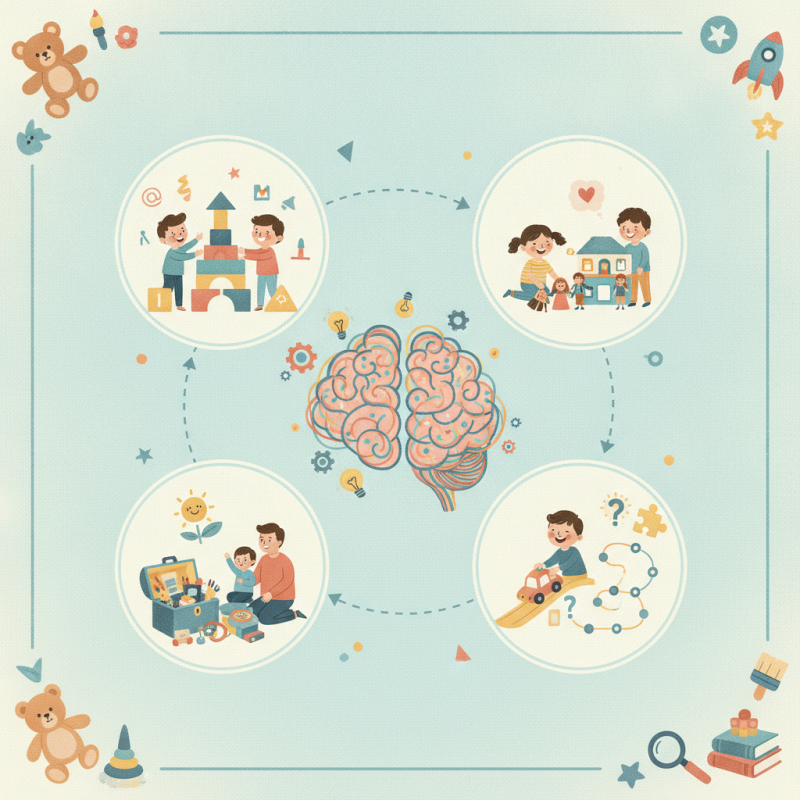
Toys offer a safe environment for experimentation. When children stack blocks, they learn about balance. When they role-play with dolls, they practice empathy. These experiences might seem simple, but they are profound learning opportunities. Children's laughter and joy during play reveal a connection between fun and education. This playful learning can lead to critical thinking and problem-solving skills.

While play is beneficial, not all toys foster learning equally. Some toys can be passive, leading to less engagement. It is crucial for parents to choose interactive and stimulating toys. Reflection on the types of play and toys children engage with can enhance their learning experience. Understanding "Why do kids learn through playing with toys" can guide better choices for their development.
How to Understand Why Kids Learn Through Playing with Toys?

The Role of Play in Child Development

Play is an essential element in child development. Research shows that children learn best when they engage in play with toys. This hands-on interaction allows them to explore their environment and develop new skills. The American Academy of Pediatrics emphasizes that play is vital for social, emotional, and cognitive growth.

In fact, a report from the National Association for the Education of Young Children highlights that play-based learning improves problem-solving skills. About 80% of educators agree that play significantly enhances critical thinking. Children develop important social skills during play, like sharing and cooperation. Yet, not all play is beneficial. Unsupervised or overly structured play may limit creativity.

Children need opportunities to experiment and make mistakes. A balance is crucial. Playtime should include both free exploration and guided activities. Educators suggest that parents provide open-ended toys. These toys can spark imagination and collaboration. Ultimately, acknowledging the value of play can help create enriching experiences for children’s growth.

Understanding the Importance of Play in Child Development

Types of Toys That Enhance Learning Through Play

Play is essential for children's development. Toys can be tools that teach critical skills. Let’s explore types of toys that enhance learning through play.

Building blocks are a classic example. They promote creativity and problem-solving. A child learns about balance and structure. As they experiment, kids also practice patience.

Another option is educational puzzles. These can improve shape recognition and hand-eye coordination. When children work together, they develop social skills. However, some puzzles may be too challenging. This can lead to frustration rather than learning. It's crucial to choose age-appropriate puzzles for effective learning.

Pretend play toys like kitchen sets encourage imagination. They help kids understand daily life and roles. This type of play also nurtures language skills. Yet, it’s important to reflect on how often kids play alone. Solo play can limit social interactions. Balancing solitary and group play can ensure well-rounded development.

Cognitive Skills Fostered by Play with Toys

Play is essential for children's learning. Engaging with toys helps develop cognitive skills. According to the American Academy of Pediatrics, play enhances brain development and fosters critical thinking. Through pretend play, children create scenarios that improve their problem-solving abilities. They negotiate roles and rules, which boosts social skills and emotional understanding.

Research indicates that 90% of a child’s brain develops by age five. During this period, sensory and motor skills are refined. Toys that encourage manipulation and exploration can significantly aid in this process. Children learn cause and effect by experimenting with different toys. For instance, building blocks teach them about balance and structure, while puzzles enhance spatial awareness.

However, not all play is beneficial. Excessive screen time can hinder cognitive development. According to the World Health Organization, children under two should avoid screen exposure. Balancing digital and physical playtime is crucial. Parents should encourage interactive, hands-on play that fosters creative thinking. Reflecting on how we guide these experiences can lead to more thoughtful parenting approaches.

Emotional and Social Benefits of Playtime

Playtime is essential for children's emotional and social development. When kids engage in play, they express their feelings. This can be through drawing, building with blocks, or playing pretend. Such activities open avenues for children to explore different roles. For instance, pretending to be a doctor lets them understand care and empathy. They mirror the behaviors they see in real life, developing their emotional intelligence.

Social benefits of playtime are equally important. Kids learn to share, take turns, and solve conflicts during play. They practice communication skills when they interact with peers. Whether playing a game or building together, these interactions promote teamwork. Mistakes may happen during play, leading to arguments or frustration. Navigating these challenges helps kids learn patience and resilience. Sometimes, they need a moment to cool down or rethink their approach.

The emotional landscape of play is complex. Children may feel joy, sadness, or frustration in just a few minutes. Understanding these emotions helps them process their experiences. Through play, kids can collaborate and build friendships. While not every play session runs smoothly, each offers valuable lessons. The unpredictability of play often leads to meaningful growth.

How to Understand Why Kids Learn Through Playing with Toys? - Emotional and Social Benefits of Playtime

Aspect Description Benefits Examples of Toys
Emotional Growth Kids express feelings and learn to manage emotions. Improved emotional regulation and empathy. Dolls, action figures
Social Skills Playing together teaches sharing, teamwork, and communication. Enhanced cooperation and conflict resolution. Board games, playsets
Cognitive Development Problem-solving and critical thinking skills are fostered through play. Boosted creativity and decision-making skills. Building blocks, puzzles
Physical Development Active play helps to develop motor skills and coordination. Better physical fitness and agility. Outdoor toys, sports equipment
Language Skills Play encourages storytelling and the use of vocabulary. Increased communication skills. Books, role-play toys

How Parents Can Support Learning Through Play

Play is essential for children's development. It fosters creativity, problem-solving, and social skills. As parents, understanding how to facilitate this can enhance your child’s learning.

Creating a play-friendly environment is crucial. Provide various toys that encourage exploration. Simple items, like blocks or art supplies, promote imagination and critical thinking. Be present and engage with your child during play. Ask open-ended questions to stimulate their thinking. This not only boosts their confidence but also deepens their learning experience.

Tips: Encourage free play without structured rules. This allows children to learn at their own pace. Observe how they interact with toys. Not every play session needs guidance; sometimes, let them lead. Also, embrace messiness. Learning can be chaotic, and that’s okay. Reflect on your participation; strive to support without taking over.

FAQS

: How do building blocks enhance learning?

: Building blocks promote creativity, problem-solving, and understanding balance. Children learn patience while experimenting with different structures.

What skills do educational puzzles improve?

Educational puzzles enhance shape recognition and hand-eye coordination. They also foster social skills when children work together.

Are there any downsides to educational puzzles?

Some puzzles can be too difficult for kids. This leads to frustration instead of learning. Choosing age-appropriate puzzles is important.

What benefits do pretend play toys provide?

Pretend play toys nurture imagination and language skills. They help kids understand daily life and various roles.

Can solo play be limiting for children?

Yes, too much solo play can restrict social interactions. A balance of solitary and group play is crucial for development.

How does playtime affect emotional development?

Playtime allows kids to express feelings through various activities. This helps them understand emotions like joy, sadness, and frustration.

What social skills are developed during play?

Children learn to share, take turns, and resolve conflicts through play. Communication skills also improve with peer interactions.

What happens when play doesn't go smoothly?

Mistakes during play can lead to frustration or arguments. These moments teach kids patience and resilience over time.

Why is understanding emotions important in play?

Understanding emotions helps children process their experiences. It aids in their emotional growth and relationship building.

Can every play session be perfect?

No, not every play session is smooth. However, each experience provides valuable lessons for children.

Conclusion

Play is a fundamental aspect of child development that significantly contributes to learning. Kids learn through playing with toys because it allows them to explore their environment, experiment with new ideas, and develop problem-solving skills. Various types of toys, such as building blocks or puzzles, can enhance cognitive development by challenging children and encouraging them to think critically. Furthermore, playtime fosters emotional growth and social skills, as children learn to navigate relationships, share, and collaborate with peers.

To support their children's learning through play, parents can create a stimulating environment filled with diverse toys that encourage imaginative and active play. Engaging in play with their kids also helps parents reinforce the lessons and skills being developed during these activities. Ultimately, understanding why kids learn through playing with toys can help caregivers better facilitate their children's growth and development in a fun and meaningful way.

Amelia

Amelia

Amelia is a seasoned marketing professional with a wealth of expertise in our company’s core offerings. With an unwavering passion for driving growth and innovation, she plays a pivotal role in shaping our marketing strategies and enhancing brand visibility. A key aspect of her responsibilities......