Trues Toys
In today’s fast-paced world, parents often seek effective ways to enhance their children's focus and attention. Research indicates that toys play a critical role in this development. A study published in the Journal of Child Psychology found that engaging toys can improve concentration by nearly 30%. So, what toys help improve focus in kids?
toys that incorporate problem-solving and imaginative play are particularly effective. For instance, building blocks and puzzles not only entertain but also require sustained attention. These activities help strengthen neural connections, promoting better focus over time. Moreover, experts suggest sensory toys can significantly aid children with attention challenges by providing tactile feedback.
It’s important to note that not all toys are created equal. The effectiveness often hinges on individual preferences and learning styles. This variability highlights the need for parents to be engaged in their children’s playtime, tailoring selections to their unique needs. Ultimately, the right toy can serve as a powerful tool in enhancing focus and attention in children’s daily lives.
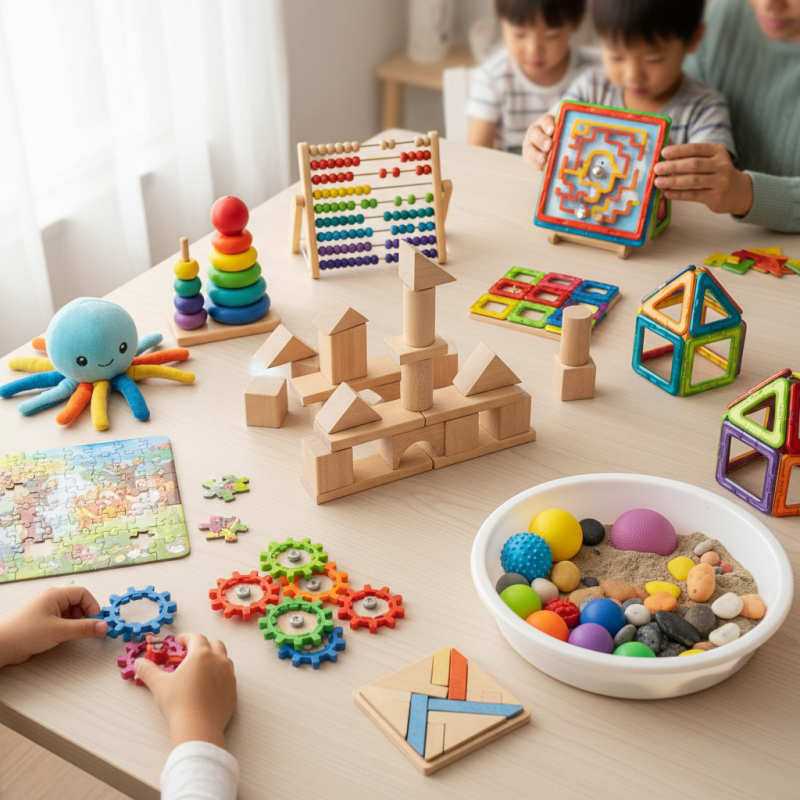
When it comes to enhancing kids' focus and attention skills, choosing the right toys is crucial. Certain toys can engage their minds, helping them develop essential cognitive abilities. Puzzles are popular choices. They require children to concentrate to assemble pieces, fostering problem-solving skills. Moreover, they can learn patience and persistence through trial and error.
Building blocks are another excellent option. They stimulate creativity and spatial awareness. As kids stack and create structures, they focus on balance and design. This hands-on activity encourages deep concentration. Art supplies, like coloring books and markers, also promote focus. Creating a masterpiece requires attention to detail and can lead to hours of mindful engagement.
However, not all children respond equally to these toys. Some may find puzzles too challenging, leading to frustration. This can deter them from trying again. It's essential for caregivers to observe their children's reactions. Finding the right balance of challenge is key for development. Fostering a supportive environment can help children thrive with these toys.
Focus and attention are crucial in a child's development. These skills affect learning, social interactions, and overall growth. Children often struggle with maintaining focus, especially in our fast-paced world. Understanding how to boost these skills is essential for parents and educators alike.
One effective way to enhance focus is through engaging activities that require concentration. Puzzles, building blocks, and games that require strategy can work wonders. These toys encourage problem-solving and active engagement. They can maintain a child's interest for longer periods.
Tips: Create a distraction-free zone when your child plays. Limit background noise and interruptions. Break tasks into manageable chunks to avoid overwhelming them. Encourage short, focused play sessions, gradually increasing their length as attention improves.
Another approach involves mindfulness practices. Simple breathing exercises can improve focus and calmness. Encourage your child to take mindful breaks during play. This allows them to recharge and return to tasks with renewed concentration. Consistency is key here.
It’s vital to acknowledge that not all children develop these skills at the same pace. Some may need more time or different strategies. Reflect on your child's unique needs. Tailoring activities to their interests will foster a more engaged and attentive mindset.
This chart illustrates the focus improvement scores for various types of toys that enhance kids' attention and focus skills. Each type of toy has been rated based on its effectiveness in improving focus, with scores ranging from 6 to 9 out of 10.
Toys play a crucial role in children's cognitive development. Research shows that engaging toys can significantly improve focus and attention span. According to the American Academy of Pediatrics, play is essential for brain development, influencing both cognitive skills and emotional growth.
Activities like building blocks or puzzles require sustained attention. These tasks encourage kids to concentrate on the task at hand. In fact, studies indicate that children who regularly engage in these types of play show better long-term focus. It is important to choose toys that challenge a child's problem-solving abilities without causing frustration.
Tips: Look for toys that encourage exploration and creativity. Simple yet engaging materials can provide hours of distraction-free play. Encourage your child to play without screens. This helps them develop patience and persistence. Observing and assessing how your child interacts with their toys can also provide insights into their attention skills. Consider rotational access to toys to keep their interest alive.
| Toy Name | Type | Focus Skill Enhanced | Recommended Age | Cognitive Benefit |
|---|---|---|---|---|
| Puzzle Sets | Cognitive | Problem-Solving | 3+ | Enhances logical thinking and patience |
| Construction Blocks | Creative | Creative Thinking | 4+ | Fosters creativity and spatial awareness |
| Board Games | Interactive | Strategic Thinking | 6+ | Teaches turn-taking and enhances concentration |
| Memory Games | Educational | Memory Retention | 5+ | Improves memorization and focus |
| Art Supplies | Creative | Focus and Creativity | 3+ | Encourages expression and concentration |
| Maze Games | Motor | Hand-Eye Coordination | 4+ | Sharpens coordination and problem-solving skills |
| Logic Games | Cognitive | Logical Reasoning | 5+ | Enhances logical patterns and focus |
| Science Kits | Educational | Inquiry and Focus | 8+ | Encourages curiosity and sustained attention |
| Balance Boards | Physical | Concentration | 5+ | Improves focus through physical activity |
| Interactive Robots | Tech | Attention and Logic | 6+ | Increases logical reasoning and attention to detail |
Research shows that certain toys can significantly enhance kids' focus and attention. For example, building blocks encourage spatial awareness. Such activities can sharpen their concentration skills over time. Kids often find joy in creating unique structures, and this joy drives their sustained focus.
Puzzles are another effective tool. They require problem-solving and critical thinking, which engage children's minds. Completing a puzzle provides a sense of accomplishment. This sense drives them to take on more challenging tasks. Engaging with these toys can lead to longer attention spans, benefiting children in various learning environments.
Many toys also promote mindfulness. Games that require careful observation can be particularly effective. Kids learn to tune in to small details, boosting their focus. However, not all toys yield positive results. Some may lead to frustration if they're too advanced. Parents should assess the appropriateness of each toy, making adjustments as needed. Finding the right balance is key.
When selecting toys that enhance focus and attention skills in kids, several criteria stand out. Research from the American Academy of Pediatrics shows children benefit from tactile, interactive play. Toys that promote hands-on activities engage multiple senses, reinforcing neural connections. Look for items that challenge children but remain achievable. This balance encourages persistence without overwhelming them.
Tips for choosing effective toys include assessing age-appropriateness and complexity. Simple puzzles can boost problem-solving and concentration. Studies indicate that open-ended play encourages creativity while improving focus. High-quality materials matter too; they should withstand repeated use. Toys with various textures and colors can captivate children's minds, making them more engaged.
Keep in mind that no toy is perfect. Some might capture attention initially but fail over time. Monitor play patterns—what arouses excitement one day may not work the next. Reflect on how your child interacts with various toys. Adjust your choices based on their shifting preferences to foster a lasting interest in focused play.
: Puzzles and building blocks are great for enhancing focus and attention skills in children.
Puzzles require concentration, fostering problem-solving skills and patience through trial and error.
They stimulate creativity and spatial awareness, encouraging deep concentration during stacking and building.
Art supplies promote focus by requiring attention to detail when creating artwork.
Caregivers must observe children's reactions and find a balance between challenge and achievable tasks.
Look for tactile, interactive toys that engage multiple senses and challenge children appropriately.
No, some toys may capture attention initially but lose their appeal over time.
Parents should reflect on changing interests and adjust toy choices accordingly to maintain engagement.
High-quality, durable materials are essential for withstanding repeated play and maintaining children’s interest.
Yes, age-appropriate and complexity-considered toys help keep children engaged without feeling overwhelmed.
In today's fast-paced world, enhancing children's focus and attention skills is essential for their cognitive development. Understanding what toys help improve focus in kids involves exploring the critical role these toys play in shaping attention spans. The right toys can significantly impact a child's ability to concentrate, fostering not only immediate engagement but also long-term cognitive benefits.
Research indicates that certain toys are particularly effective in promoting enhanced focus, whether through stimulating creative play, encouraging problem-solving, or providing sensory experiences. Selecting toys that incorporate these elements can lead to greater improvements in attention and focus. By prioritizing toys that engage children actively and thoughtfully, parents and educators can support the development of essential skills that are crucial for success in school and beyond.
