 Trues Toys
Trues Toys
Trues Toys
Toys are more than just playthings; they play a critical role in the emotional development of children. According to a report by the Toy Industry Association, 85% of child development specialists agree that toys contribute to emotional growth. This growth fosters empathy, resilience, and social skills, all essential for healthy relationships later in life. But why do toys help with emotional growth? Dr. Emily Tran, a child psychologist, emphasizes, "Toys provide safe spaces for children to explore their emotions and understand the world around them."
Engaging with toys allows children to express feelings they might not know how to articulate. Through imaginative play, they navigate challenges and simulate real-life situations. The act of sharing toys fosters cooperation and patience, important traits for emotional intelligence. However, not all toys achieve this goal equally; some may promote isolation rather than connection. Thus, parents must be mindful of the toy selections they make.
Moreover, modern toys should encourage interaction, creativity, and emotional expression. Practical examples include role-play figures or arts and crafts supplies. Toys that resonate with real-life circumstances help children learn to manage emotions in those contexts. Ultimately, focusing on “Why do toys help with emotional growth” can guide parents in selecting the best resources for their child's development journey.
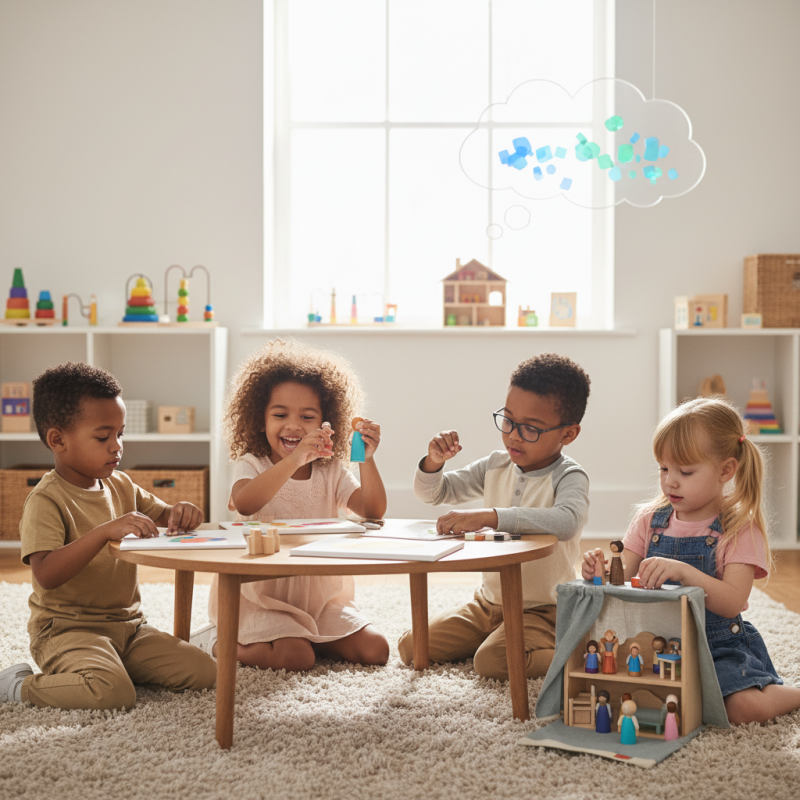
Toys play a crucial role in a child's emotional development. They provide not just entertainment, but also opportunities for learning and growth. According to the American Academy of Pediatrics, play is vital for emotional resilience. Engaging with toys can help children understand their feelings and practice empathy.
When selecting toys, consider those that encourage interaction. For example, plush dolls or action figures can promote storytelling. Children express emotions through characters they create. A report from the National Institute for Play indicates that imaginative play helps improve emotional intelligence. This means kids can recognize and manage their own feelings better.
Tips: Look for toys that represent diverse emotions. This can broaden a child's understanding of different feelings. Encourage playdates where children can share and resolve conflicts. Cooperative games can also teach valuable lessons about teamwork and patience.
Remember, it's essential to allow children to explore their emotions freely. Mistakes are a part of growth. Allowing space for ups and downs can foster resilience in these little ones.
| Toy Name | Type | Emotional Skill Developed | Recommended Age |
|---|---|---|---|
| Building Blocks | Construction | Creativity, Problem Solving | 3+ |
| Emotional Plush Toys | Stuffed Toys | Empathy, Comfort | 2+ |
| Dolls and Action Figures | Role Play | Social Skills | 3+ |
| Board Games | Games | Teamwork, Patience | 6+ |
| Musical Instruments | Creative | Expression, Coordination | 4+ |
| Arts and Crafts Kits | Creative | Self-Expression, Concentration | 5+ |
| Puzzles | Cognitive | Critical Thinking | 4+ |
| Role-play Costumes | Dress-up/Imaginative Play | Imagination, Identity | 3+ |
| Outdoor Playsets | Physical Activity | Social Interaction, Confidence | 5+ |
| Storybooks | Educational | Empathy, Understanding | 0+ |
: Play allows children to express feelings safely and builds social skills and emotional resilience.
By creating scenarios during play, children learn to understand perspectives different from their own.
Not all children thrive in the same play. Each child may excel in different forms of play.
Both structured and unstructured activities help children cope with stress and develop emotionally.
Children may experience frustration or isolation, leading to difficult emotions that require guidance.
Parents can join playtime, ask questions, and observe reactions to build trust and understanding.
Creative toys can help children turn their feelings into art, aiding in emotional expression.
Role-playing teaches empathy and problem-solving, preparing kids for real-life scenarios.
Parents should be transparent about their feelings, creating a safe environment for children’s emotional exploration.
Play environments may not always be perfect. It's important to guide children through their emotional challenges.
The article "Top 10 Toys for Emotional Growth in Children: Why Are They Important?" discusses the vital role that play serves in a child's emotional development. It emphasizes that toys can significantly contribute to emotional growth by providing children with opportunities to express their feelings, develop empathy, and enhance social skills. By engaging with these toys, children learn to navigate their emotions and relationships, highlighting the question, "Why do toys help with emotional growth?"
The outline describes criteria for selecting toys that are beneficial for emotional development, along with an overview of specific toys that meet these criteria, detailing their features and benefits. Additionally, the article offers valuable tips for parents on how to foster emotional skills through play, ensuring they can support their children's emotional journeys effectively. The focus on emotionally supportive toys equips parents with the knowledge to encourage healthy emotional development in their children.
