Trues Toys
Choosing the right toys for children can significantly impact their development. According to Dr. Lisa Roberts, a child development specialist, “Play is the foundation of learning.” Understanding "what toys help with child development" is essential for parents and caregivers aiming to foster growth. Engaging toys stimulate creativity, enhance social skills, and promote problem-solving abilities.
Research shows that toys that encourage imaginative play, such as building blocks and role-playing sets, are particularly beneficial. These toys allow children to explore their own ideas and collaborate with peers. Additionally, interactive items, like puzzles and educational games, sharpen cognitive skills. However, it’s important to consider the child’s age and interests. Not all toys suit every child.
Some common misconceptions surround this topic. While many believe that all toys labeled as educational will support development, this is not always true. The real value lies in how children interact with these toys. Parents should observe their children to determine what truly engages them. In the end, the best toys are those that inspire curiosity and joy, not just those that check off educational boxes.
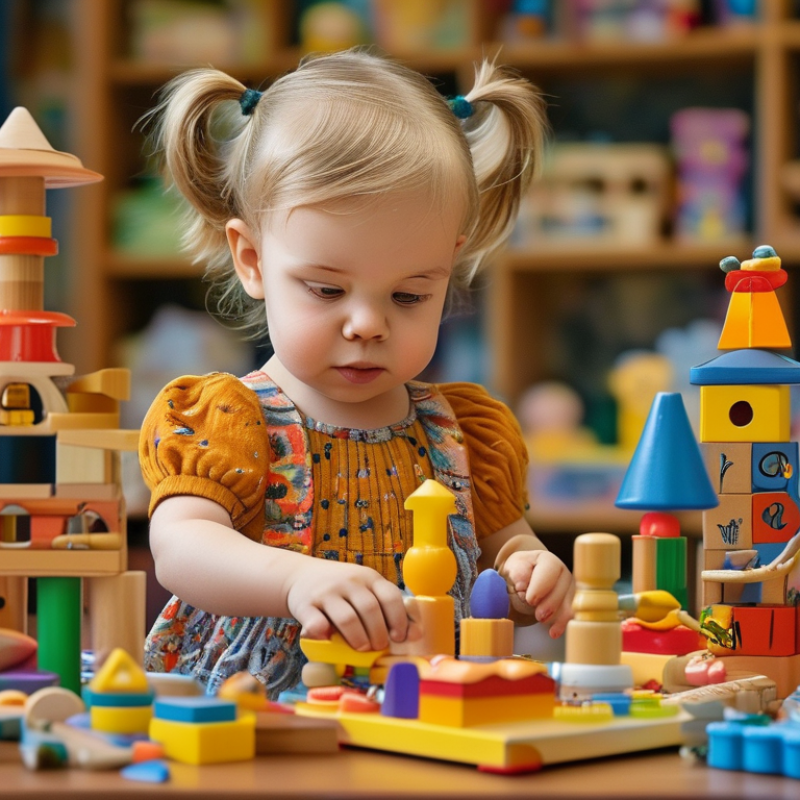
Understanding child development stages is essential for selecting the right toys. Each stage has unique needs. Infants, for example, thrive on toys that stimulate their senses. Rattles and soft plush toys encourage touch and hearing. Mobility is key as they grow, making push toys valuable.
Toddlers benefit from toys that promote motor skills and creativity. Building blocks inspire imagination while enhancing coordination. Play kitchens and tool sets foster role-playing, helping with social skills. Simple puzzles sharpen problem-solving abilities.
Tips: Always choose age-appropriate toys. Check for safety standards to avoid hazards. Observe how your child interacts with toys; their preferences may evolve. Encourage open-ended play, allowing children to explore freely. This freedom can lead to critical thinking and innovation. Pay attention to your child’s reaction to different toys; it may reveal their developmental interests.
| Age Range | Toy Type | Developmental Benefits | Examples |
|---|---|---|---|
| 0-1 Year | Soft Blocks | Sensory Development, Motor Skills | Fabric cubes, textured blocks |
| 1-3 Years | Shape Sorters | Cognitive Skills, Problem Solving | Classic shape toys, interactive containers |
| 3-5 Years | Building Sets | Creativity, Coordination | Blocks, magnetic tiles |
| 5-7 Years | Art Supplies | Self-Expression, Fine Motor Skills | Crayons, markers, modeling clay |
| 7-10 Years | Board Games | Social Skills, Strategy Development | Classic board games, strategy games |
When selecting toys for children, considering their developmental benefits is crucial. Research suggests that specific characteristics in toys can significantly enhance a child's growth. For instance, open-ended toys, which allow creative play, are known to foster problem-solving skills. According to a study by the American Academy of Pediatrics, children who engage with open-ended toys demonstrate better cognitive flexibility.
Toys that encourage physical activity are also vital. Developmentally appropriate toys promote motor skills. The International Journal of Pediatric Obesity indicates that kids who play with active toys show improved coordination. Look for toys that require movement or manipulation, like balls or building blocks. Such toys not only stimulate physical health but also encourage social interaction.
Tips: Always ensure toys are age-appropriate. Oversized or overly complex toys can frustrate younger children. Engaging in playtime with your child can enhance their learning experience. Reflect on the types of toys they gravitate towards; these preferences can guide future purchases. Remember, not every toy will resonate. It's okay to experiment and observe what works best for your child.
When choosing toys for cognitive skills enhancement, certain categories stand out. Puzzles are a prime choice. They promote problem-solving and critical thinking. Children learn to recognize shapes and patterns. These skills are essential for later academic success. Colorful, engaging designs keep young minds captivated.
Building blocks offer another excellent option. They encourage creativity and spatial awareness. As children stack and arrange blocks, they explore balance and structure. This can lead to improvements in fine motor skills. Simple play with blocks can spark a child's interest in engineering concepts early on.
Art supplies are vital for cognitive development. Drawing, painting, and crafting activities enhance creativity and self-expression. Engaging in artistic activities also supports emotional growth. It provides a medium for children to express feelings and thoughts. These toys encourage exploration, but they can also be messy, prompting reflections on process over perfection. This can teach kids resilience and adaptability as they navigate the creative journey.
Physical play is essential for children's development, particularly for enhancing motor skills and coordination. The American Academy of Pediatrics highlights that active play supports physical health and cognitive growth. Children who engage in physical activities develop better balance, strength, and coordination. Engaging in these activities with appropriate toys can amplify benefits.
For example, toys like balance boards and climbing structures can significantly improve a child's motor skills. According to the National Association for Sport and Physical Education, children need at least 60 minutes of active play each day to promote healthy growth. Such play not only boosts physical abilities but also enhances social skills as they learn to cooperate and communicate with peers during playtime.
However, not all toys yield the same benefits. Some toys may overstimulate rather than encourage physical activity. It's important to choose toys that promote movement rather than passive play. Look for tools that challenge a child's physical capabilities. These choices can lead to reflection on how play shapes development. Monitoring how children interact with toys can provide insights into their preferences and skill progress.
Play is crucial for emotional and social growth in early childhood. Research indicates that 70% of a child's brain development occurs by age five. Toys that promote collaborative play can enhance social skills. For instance, building blocks encourage teamwork and communication among young children. When children work together, they learn to share ideas and negotiate roles.
Interactive games can also nurture empathy and emotional intelligence. A study from the American Academy of Pediatrics highlights that imaginative play helps children understand their feelings and those of others. Toys like puppets or role-playing kits allow kids to explore different perspectives, fostering a deeper emotional connection. Additionally, parents should remember that the quality of playtime matters. Simply providing a toy isn’t enough; engaging with children is essential for meaningful play experiences.
It's important to reflect on what toys resonate best with each child. Some may prefer solitary play, while others thrive in group settings. Not every child will respond positively to the same toys. Thus, observing a child's interactions is key. Are they sharing? Are they showing interest in others’ feelings? Understanding these nuances can guide parents in selecting toys that truly foster emotional and social development.
: Infants thrive on toys that stimulate their senses, like rattles and soft plush toys.
Toddlers need toys that promote motor skills and creativity, such as building blocks and play kitchens.
Puzzles help enhance problem-solving and critical thinking skills, essential for later academic success.
Art supplies enhance creativity and emotional growth, allowing children to express their feelings through art.
Toys that promote collaboration, like building blocks, enhance social skills and teamwork among children.
Simply providing a toy isn't enough; parents need to engage with children for meaningful play experiences.
Yes, each child has unique preferences, and observing their interactions helps in selecting suitable toys.
Messy play allows kids to explore and teaches resilience and adaptability through the creative process.
Interactive games allow children to explore feelings and perspectives, cultivating empathy and emotional connections.
Building blocks help children explore balance and structure, which are vital for spatial awareness development.
The article "Top Toys for Child Development: Which Ones Are Best?" explores the crucial role of toys in fostering different aspects of child growth. It emphasizes the importance of understanding child development stages to identify what toys help with child development effectively. The article outlines key characteristics of toys that not only engage children but also promote their cognitive, emotional, and physical skills.
It highlights the best categories of toys that enhance cognitive abilities, as well as those that support motor skills and coordination through physical play. Additionally, the piece discusses how certain toys can facilitate emotional and social growth, making playtime an enriching experience for children. Overall, the article serves as a comprehensive guide for caregivers and educators to choose toys that contribute to holistic child development.
