Trues Toys Trues Toys

2026 Top Tips to Encourage Kids to Share Toys Easily?

Time:2026-05-19 Author:Ethan
0%

Encouraging children to share toys is a vital social skill. According to a study by Dr. Angela H. T. Chan, children who learn sharing behaviors early on are more likely to develop strong interpersonal skills later in life. “Teaching kids to share is not just about the toys; it’s about building empathy and understanding,” she emphasizes.

Research from the Journal of Child Rearing shows that effective sharing can lead to better peer relationships. It highlights that 70% of children, when encouraged positively, share toys willingly. This statistic illustrates the power of guidance from parents and caregivers.

Many parents struggle with this challenge. They often wonder, "How to encourage kids to share toys?" It requires patience and creative methods that engage children in the process. Simple techniques like role-playing or using storybooks about sharing can create a safe environment for kids to practice this important lesson. Additionally, reflecting on one’s own experiences can provide valuable insights into teaching sharing effectively.
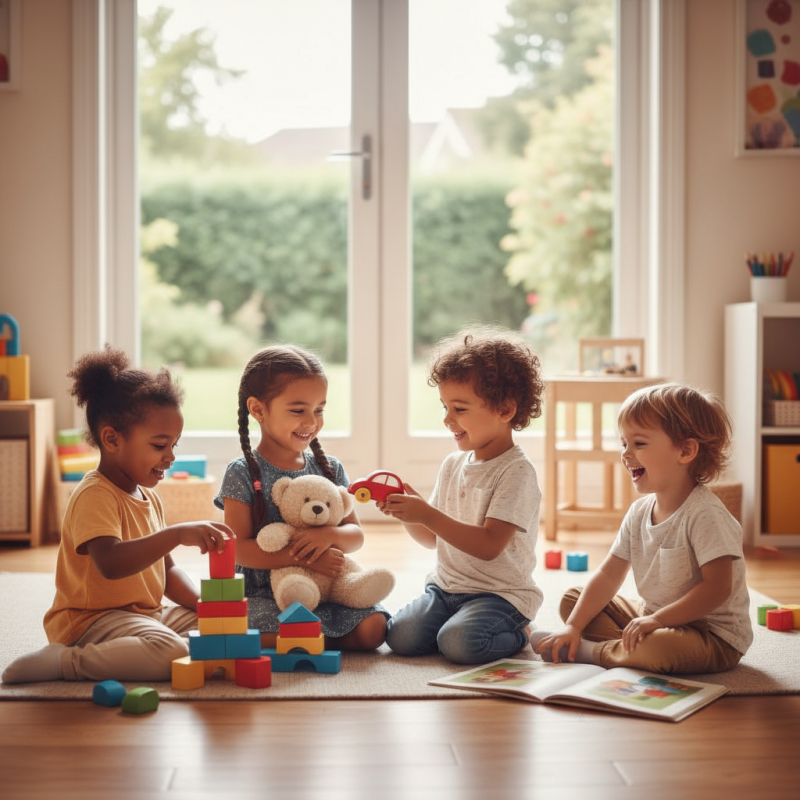
2026 Top Tips to Encourage Kids to Share Toys Easily?

Understanding the Importance of Sharing in Child Development

Sharing is essential in a child’s development. It teaches empathy, cooperation, and social skills. When children share toys, they learn to consider others' feelings. This practice builds stronger relationships. It helps them understand the importance of teamwork and collaboration.

To encourage sharing, make it a playful experience. Set up scenarios where kids have to share toys during playdates. This can turn sharing into a fun game. Positive reinforcement works wonders. Praise them when they share willingly. This boosts their confidence and encourages future sharing.

Model sharing behavior yourself. Children learn by watching adults. Share food, stories, or time with friends. Acknowledge your own challenges with sharing. Let them see that it’s okay to feel possessive sometimes. This honesty can lead to meaningful discussions about feelings and sharing.

Creating a Positive Sharing Environment at Home

Creating a positive sharing environment at home fosters cooperation and connection among kids. Start by modeling sharing behaviors yourself. Children often learn by watching adults. Use everyday moments to demonstrate sharing. For instance, share a snack or let them pick a movie together.


Incorporate fun sharing games into your playtime. Simple activities like “pass the toy” can teach kids the joy of sharing. Celebrate their willingness to share with praise. Positive reinforcement encourages them to repeat the behavior. Make sharing a normal part of daily life.


Communication is also vital. Talk to your children about feelings and why sharing matters. Use stories or examples that illustrate the benefits of sharing. Sometimes, they may resist. In those moments, acknowledge their feelings and guide them through the process. Creating a supportive atmosphere takes time and patience. It's okay to face challenges and learn together.

Strategies to Teach Kids About Sharing and Empathy

Teaching kids about sharing and empathy is vital for their social development. Start by modeling sharing in your own life. When children observe adults sharing resources, they learn its importance. Use simple words to explain feelings. For example, “When you share, your friend feels happy.” This helps them connect actions with emotions.

Create opportunities for sharing at home. Organize playdates where sharing is the focal activity. Have a "sharing time" with specific toys. Encourage children to take turns and discuss their feelings about sharing. Ask questions like, “How does it feel when your friend plays with your toy?” This can spark conversations about empathy and understanding others.

However, not all moments are perfect. Kids may resist sharing sometimes. It's normal for them to struggle with this concept. Encourage them to express their feelings. Reflecting on their emotions helps foster empathy. Use these challenges as learning moments; guide them to find solutions together. It's an ongoing journey that requires patience and practice.

Fun Activities to Promote Toy Sharing Among Peers

Sharing toys can foster friendship among kids. Fun activities can encourage this exciting behavior. Creating a toy-sharing playdate is a practical idea. Invite friends over and set up different play stations. Each station can have unique toys to share. By rotating toys every few minutes, children can experience variety and the joy of sharing.

Consider organizing games that require kids to work together. Cooperative games can teach them the value of teamwork. For example, a scavenger hunt where kids must share clues promotes collaboration. They learn to rely on each other and appreciate shared playtime.

It's essential to acknowledge that not every child is willing to share right away. Some may resist. Encourage open discussions around feelings toward sharing. This creates an inviting atmosphere. When children feel heard, they are more likely to embrace sharing in the future.

2026 Top Tips to Encourage Kids to Share Toys Easily? - Fun Activities to Promote Toy Sharing Among Peers

Activity Description Target Age Group Estimated Duration Sharing Benefits
Toy Swap Day Children bring toys they no longer use and swap with peers. 4-10 years 2 hours Teaches value of sharing and appreciation for others' toys.
Group Play Sessions Organizing playdates where kids must use one shared toy. 3-7 years 1 hour Encourages cooperation and teamwork through shared play.
Storytime Sharing Reading stories that emphasize sharing principles. 4-8 years 30 minutes Instills moral values and sparks discussions about sharing.
Creative Craft Sessions Crafting projects that require sharing materials. 5-12 years 1.5 hours Promotes negotiation skills and sharing resources.
Challenge Sharing Games Games that reward sharing behaviors with points or prizes. 5-12 years 1 hour Motivates kids to share while having fun and competing.

Monitoring and Adjusting Sharing Behaviors Over Time

Monitoring and adjusting children's sharing behaviors requires patience and observation. As parents or caregivers, we often enter situations with our own expectations. However, children may not always react as we hope. It’s vital to observe how they engage with their toys and with others. Watching them can reveal their comfort levels and challenges in sharing.

Encouraging sharing is not a one-time event. It's an ongoing process. You might notice that a child shares well with one friend but struggles with another. They may be more possessive when playtime tensions rise. Tune into these fluctuations. Addressing these changes can help you create a safe environment for learning.

Discuss feelings with your child. Ask open-ended questions that guide them in reflecting on their behavior.

Using effective strategies can influence their attitudes. Role-playing different scenarios can show them the benefits of sharing. Praise moments of positive interactions, even if they are small. Each child is unique. What works for one may not work for another. Embrace the imperfections in this journey. Adjust your approach as necessary. Remember, fostering sharing behaviors is about gradual growth, not perfection.

FAQS

: Why is sharing toys important for children?

: Sharing toys fosters friendship and teamwork. It encourages kids to connect and collaborate with each other.

What are some activities to promote toy sharing?

Hosting a toy-sharing playdate with different stations works well. Rotating toys allows kids to enjoy new experiences together.

How can games help encourage sharing among kids?

Cooperative games, like scavenger hunts, require teamwork. This helps children learn to rely on each other while sharing.

What should I do if my child resists sharing?

Discuss their feelings about sharing openly. This conversation can help create a more inviting atmosphere for them.

How can I monitor my child's sharing behavior?

Observe how they engage with toys and others. This helps you understand their comfort levels and challenges in sharing.

Is encouraging sharing a one-time event?

No, it’s an ongoing process. Children may share well with some friends but may struggle with others.

How can I encourage my child to share better?

Role-playing different scenarios can be effective. Praise any sharing moments, even small ones, to reinforce positive behavior.

What if my approach to encouraging sharing isn't working?

Embrace the imperfections. Adjust your strategy and remember that each child has unique needs and responses.

What is the ultimate goal of promoting sharing behaviors?

The goal is gradual growth in sharing, not perfection. It's about creating a safe learning environment for children.

Conclusion

Encouraging kids to share toys is crucial for their social and emotional development, as it fosters empathy and cooperation. To create a positive sharing environment at home, parents should model sharing behaviors and reinforce the idea that sharing can be fun. Implementing strategies such as role-playing and discussing feelings can teach children the value of sharing and help them understand different perspectives.

Additionally, engaging children in fun activities that promote toy sharing with peers can enhance their interaction skills. It's important to monitor and adjust sharing behaviors over time, providing guidance and support as children learn this vital skill. By focusing on how to encourage kids to share toys, parents can help cultivate a more sharing-oriented mindset, paving the way for better social relationships in the future.

Ethan

Ethan

Ethan is a seasoned marketing professional with a deep expertise in our company's innovative product line. With a passion for sharing knowledge and insights, he takes the lead in regularly updating our corporate blog, where he explores industry trends, product features, and effective marketing......