Choosing safe toys for kids is crucial for their development and well-being. According to the American Academy of Pediatrics, nearly 90,000 children visit emergency rooms each year due to toy-related injuries. By understanding "how to choose safe toys for kids," parents can significantly reduce these risks. Safety standards have evolved, but not all toys meet the necessary criteria.
Research from the Consumer Product Safety Commission indicates that small parts, choking hazards, and toxic materials are common issues in toys. The selection process should focus on age-appropriate design and quality materials. Look for labels that indicate compliance with safety regulations. Check for certification marks, like ASTM and ISO standards, which ensure that toys are tested and deemed safe.
Additionally, parents often grapple with conflicting information about toy safety. Online reviews can sometimes mislead. It’s essential to seek credible sources and expert opinions. Engaging with community resources, such as pediatricians or child development specialists, can provide further insights. In today's market, navigating toy safety requires vigilance and informed choices.
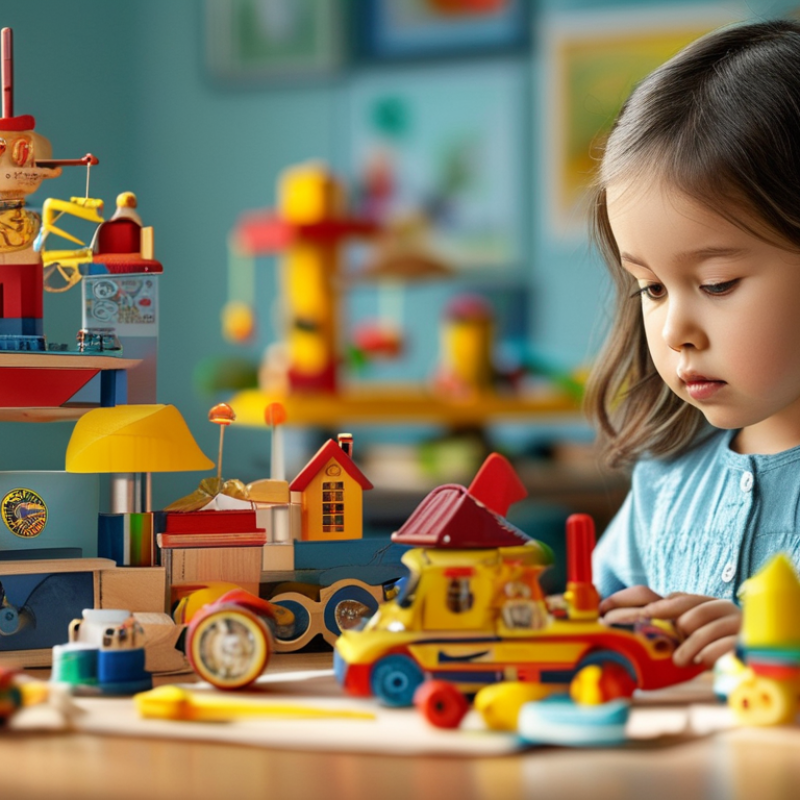
Top 10 Tips for Choosing Safe Toys for Kids Worldwide
When selecting toys for children, safety is paramount. Parents should prioritize toys that are non-toxic and free from harmful chemicals. Look for labels indicating compliance with international safety standards. This ensures that toys have been rigorously tested for safety, reducing the risk of accidents.
Pay attention to age recommendations on toy packaging. Many toys are designed for specific age groups. Toys meant for older children can pose choking hazards to toddlers. Additionally, consider the materials used in the toys. Natural materials, such as wood, are often safer than plastics, which can contain harmful additives.
It's crucial to regularly inspect toys for wear and tear. Damaged toys can be dangerous and should be discarded immediately. Be cautious of small parts and pieces that may come loose over time. Encouraging kids to play in a safe environment, away from potential hazards, can also add an extra layer of protection. Ultimately, fostering a safe play experience is a shared responsibility that requires awareness and diligence.
Top 10 Tips for Choosing Safe Toys for Kids Worldwide
| Tip Number |
Safety Tip |
Description |
| 1 |
Check Age Recommendations |
Always choose toys that are appropriate for your child's age. |
| 2 |
Look for Safety Certifications |
Choose toys with safety certifications like ASTM, EN71. |
| 3 |
Avoid Small Parts |
Ensure that toys do not have small parts that can be a choking hazard. |
| 4 |
Inspect for Sharp Edges |
Check toys for any sharp edges or points that could injure a child. |
| 5 |
Choose Non-Toxic Materials |
Select toys made from non-toxic, BPA-free materials. |
| 6 |
Ensure Durability |
Opt for toys that are sturdy and able to withstand rough play. |
| 7 |
Follow Care Instructions |
Read and follow the care instructions to maintain safety and hygiene. |
| 8 |
Consider Educational Value |
Select toys that promote learning and development in a fun way. |
| 9 |
Ask for Recommendations |
Seek advice from other parents or child care professionals for safe options. |
| 10 |
Stay Informed About Recalls |
Keep up with toy recalls and safety alerts from consumer safety organizations. |
Understanding Age-Appropriate Toy Safety Guidelines
Choosing the right toys for children requires careful consideration of age-appropriate safety guidelines. Parents should be aware that toys designed for older children may pose choking hazards to toddlers. For example, small parts can easily detach and become dangerous. It's crucial to read labels and instructions carefully to ensure a toy is suitable for a child's specific age group.
Another important aspect is the material used in toys. Many toys can contain harmful chemicals or sharp edges. Selecting toys made from non-toxic materials is essential for a child's safety. However, even with safe materials, not all toys are created equal. Parents need to inspect toys regularly for wear and tear that could lead to dangerous situations.
In addition to following safety guidelines, parents should observe how their children play. Some kids may use toys in unexpected ways, which can lead to accidents. Supervising playtime can help mitigate risks. It’s also helpful to involve children in discussions about safe play. Teaching them about toy safety can contribute to their awareness and responsibility.
Materials Matter: Evaluating Non-Toxic and Durable Toy Options
When choosing toys for children, the materials used are crucial. Parents should prioritize non-toxic and durable options. Many toys are made from plastic, which can release harmful chemicals. Look for options made from natural materials like wood or organic fabrics. These materials often meet safety standards and are safer for children to interact with.
Parents should also consider the durability of toys. A well-made toy lasts longer and reduces waste. Toys that easily break can pose choking hazards. Inspect toys for sharp edges or small parts. Ensure they withstand rough play. However, not all non-toxic materials are created equal. Research brands thoroughly to verify their claims about safety and sustainability.
Some toys may look safe but may not be reliable. A beautiful wooden toy might splinter. Check reviews from trusted sources and other parents. It’s essential to stay informed about material safety updates. Regularly assess your child’s toys for potential hazards. Encourage safe play habits as children engage with their toys. Maintaining a safe play environment requires diligence and awareness.
Top 10 Materials for Safe Kids' Toys
Recognizing Hazardous Features and Potential Choking Risks
Choosing safe toys for children is crucial for their well-being. Understanding hazardous features and choking risks can prevent accidents. According to the U.S. Consumer Product Safety Commission, over 200,000 toy-related injuries occur annually. Many of these injuries stem from improper design or small parts.
When selecting toys, examine small components. Toys with parts that fit entirely inside a toilet paper tube pose choking hazards. Avoid toys with detachable pieces for younger children. Stick to age-appropriate labels; they are there for a reason. Toys designed for younger kids should not contain small parts.
Another factor to consider is material safety. Harmful substances like lead and phthalates can pose serious health risks. Look for toys made from non-toxic materials. Always check for safety certifications. This is essential in ensuring that toys meet safety standards. Encourage creativity with larger blocks or soft toys that inspire imaginative play, while keeping safety in mind.
Labeling and Standards: Importance of Compliance with Safety Regulations
When selecting toys for children, safety should always be a priority. Compliance with safety regulations is crucial. According to the US Consumer Product Safety Commission, safety standards can reduce the risk of toy-related injuries by up to 75%. This emphasizes the importance of labeling and adhering to safety guidelines.
Many toys fail to meet safety regulations due to poor quality control. Look for age-appropriate labels. These labels guide parents in choosing toys that match their child's developmental stage. Additionally, be cautious of small parts. They can pose choking hazards, particularly to younger children.
Check for certifications. Reliable toys often display compliance marks ensuring they meet rigorous safety standards.
Explore reports from organizations such as ASTM International. Their research indicates that toys meeting established standards are significantly safer. Parents should actively familiarize themselves with the latest safety regulations. Knowledge is a powerful tool in making informed decisions.
Investigating Import and Export Safety Standards for Global Toy Distribution
When it comes to toy safety, understanding import and export safety standards is crucial. A staggering 80% of toys sold in the U.S. are imported. This statistic highlights the importance of rigorous safety standards across borders. Unfortunately, not all countries enforce the same regulations. Inconsistent compliance can lead to hazardous toys reaching vulnerable markets. The International Organization for Standardization (ISO) has published guidelines, yet adherence varies significantly.
According to a report by the Consumer Product Safety Commission (CPSC), in 2022 alone, over 200 recalls involved toys that posed choking hazards. Many manufacturers struggle with production oversight, resulting in non-compliant products. Even toys that meet safety standards can pose risks if they are poorly designed or lack clear labeling. Transparency in the toy supply chain is often lacking, and consumers must remain vigilant.
Buying toys from reputable suppliers can mitigate risks. However, not all retailers adequately verify their products. Various studies suggest 30% of parents are unaware of toy recalls, illustrating a significant information gap. This highlights the need for more robust communication from manufacturers and regulatory bodies. AWARENESS of these issues is key. Parents should educate themselves about safety standards and remain cautious when selecting toys for their children.
FAQS
: Parents should focus on selecting non-toxic toys free from harmful chemicals.
Age recommendations help prevent choking hazards, especially for toddlers.
Natural materials, like wood, are generally safer than plastic toys containing harmful additives.
Toys should be regularly inspected for wear and tear; damaged toys should be discarded immediately.
Supervising children can prevent accidents, especially if kids use toys in unexpected ways.
Parents should familiarize themselves with safety regulations and look for compliance labels on toys.
Caution is needed, as small parts pose choking hazards, particularly for younger children.
No, even safe materials can lead to danger if toys are poorly made or damaged over time.
Involving children in discussions about safety helps them understand responsibility and awareness.
Ignoring guidelines can lead to accidents and injuries during playtime.
Conclusion
When considering **how to choose safe toys for kids**, it is crucial to understand several key factors that ensure a safe play experience. First, one must be aware of age-appropriate safety guidelines, which help in selecting toys that match the developmental stage of children. Evaluating toy materials is also essential; parents should seek non-toxic and durable options to prevent any harmful exposure.
Additionally, recognizing hazardous features and potential choking risks is vital in minimizing dangers. Compliance with labeling and safety standards guarantees that toys meet necessary regulations, while investigating import and export safety standards is important for global distribution. By adhering to these tips, caregivers can make informed decisions when selecting toys, fostering a safe and enjoyable environment for children worldwide.
 Trues Toys
