When it comes to toy safety, materials play a crucial role. Parents and manufacturers alike frequently ask, "What materials are safest for toys?" To provide insight, we turn to Dr. Emily Greene, a leading expert in children’s product safety. She states, “Selecting the right materials can make a world of difference in ensuring toy safety.”
Toys made from safe materials ensure peace of mind for caregivers. Natural woods and organic cotton provide a sturdy, non-toxic option for play. However, it's important to note that even these materials require responsible sourcing and testing. Not all woods are free from toxins, and not every cotton is grown organically.
While some toys may boast a label of safety, trust must be earned through diligent efforts. The toy industry has faced challenges regarding transparency and compliance. As a result, the choice of materials must be informed and deliberate. Understanding "What materials are safest for toys" is an ongoing journey, not just a destination. Parents must stay informed to navigate this complex landscape effectively.
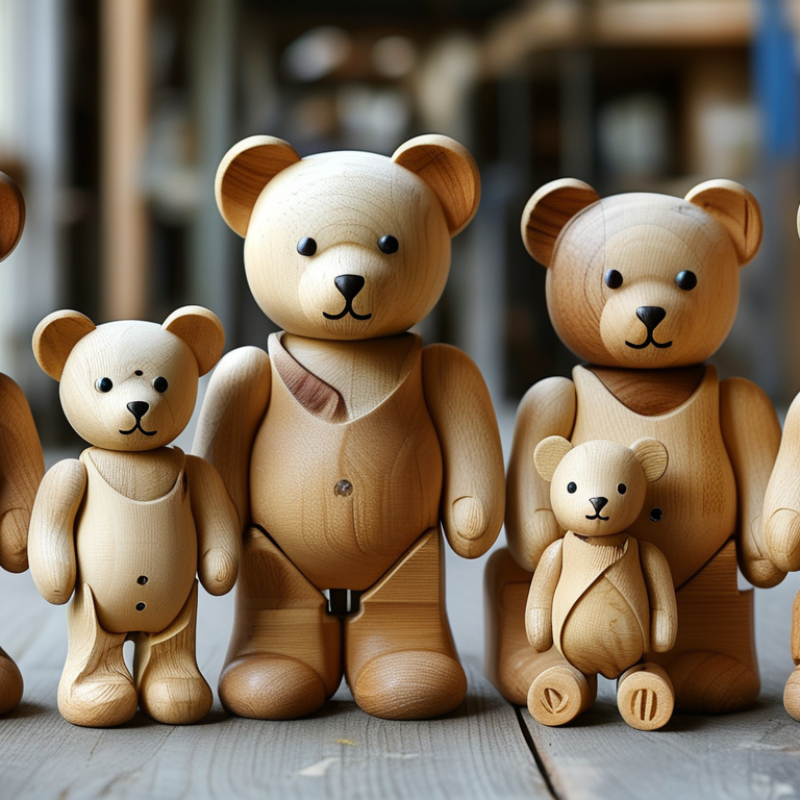
Overview of Safety Standards in Toy Manufacturing
Toy safety is a crucial concern for manufacturers, regulators, and parents. Understanding safety standards is essential to ensure that toys are safe for children. Various organizations worldwide set guidelines to protect children from harmful materials and design flaws. Compliance with these standards is not just strongly recommended; it is often mandatory.
Safety regulations typically cover chemical content, mechanical properties, and flammability. For instance, toys must be free from toxic substances like lead and phthalates. Manufacturers must test materials rigorously. They must also design toys to prevent choking hazards. A toy that looks attractive may still pose risks if it fails to meet these important safety benchmarks.
Despite best efforts, challenges persist. Some toys pass safety tests but later show unforeseen defects. Consumer feedback plays a vital role in this process. Continuous monitoring and improvement are necessary. Regular audits and testing contribute to higher safety levels. Ultimately, manufacturers must prioritize children's well-being above all. The commitment to safety defines the reputation of a toy brand.
Top 5 Safest Materials for Toy Manufacturing
Natural Materials: Advantages and Limitations
When it comes to toy manufacturing, natural materials offer both advantages and limitations. Natural materials, like wood, cotton, and wool, are often lauded for their eco-friendliness and safety. They are typically free from harmful chemicals, making them a preferred choice for many parents. However, the sourcing of these materials can be inconsistent. Quality can vary greatly depending on the supplier and the production methods used.
Another consideration is durability. While wood and cloth are generally strong, they can also be susceptible to wear and tear. Toys made from these materials may need replacement sooner than those made from synthetic alternatives. Additionally, aspects like color and finish may vary, leading to unexpected results in the final product. This inconsistency can be puzzling for manufacturers who strive for uniformity in their offerings.
Lastly, there is the issue of cost. Natural materials can be more expensive to source. This might lead to higher prices for consumers. It also represents a balancing act for manufacturers, who must weigh the benefits of safety and sustainability against the financial implications. Each of these factors plays a crucial role in the complex landscape of toy manufacturing with natural materials.
Synthetic Materials: Safe Options in Toy Production
Synthetic materials have revolutionized the toy manufacturing industry, offering both safety and creativity. Materials such as polyethylene, polypropylene, and silicone are popular choices. They are durable, easy to mold, and non-toxic, making them ideal for children’s toys. These materials can withstand rigorous play and are often resistant to wear and tear.
When considering synthetic materials, prioritize those that are BPA-free and phthalate-free. Testing can provide assurance of their safety. Enhanced safety standards in production processes also contribute to the overall quality of toys. However, it’s essential to consider potential environmental impacts. Some synthetic materials may not be biodegradable, posing long-term ecological concerns.
Encouraging responsible sourcing of materials can significantly add to safety. Look for certifications that indicate a commitment to safety and sustainability. This choice reflects a growing awareness in the industry. Recent studies suggest that transparent practices from manufacturers enhance consumer trust. Ensuring that toys are made with thoughtfully sourced materials is crucial in today’s market.
Top 5 Safest Materials for Toy Manufacturing
| Material |
Safety Rating |
Durability |
Recyclability |
Common Uses |
| Bamboo |
A+ |
High |
Yes |
Wooden toys, puzzles |
| Silicone |
A |
Medium |
Yes |
Teething toys, soft blocks |
| TPE (Thermoplastic Elastomer) |
A |
High |
Yes |
Action figures, soft toys |
| PLA (Polylactic Acid) |
A- |
Medium |
Yes |
3D printed toys, figurines |
| Natural Rubber |
A |
High |
Yes |
Bouncing balls, soft toys |
Innovative Non-Toxic Materials for Eco-Friendly Toys
The demand for eco-friendly toys is rising due to increasing awareness of environmental issues. Parents seek non-toxic materials that ensure their children’s safety. Reports indicate that over 70% of consumers prioritize safe materials in toy manufacturing.
Biodegradable plastics made from renewable sources offer an innovative solution. These materials break down naturally, reducing landfill waste. Materials such as polylactic acid (PLA) are now popular for creating colorful, durable toys. Studies show that PLA emits 80% less greenhouse gas during production compared to traditional plastics.
Natural rubber is another top choice. It is free from harmful chemicals and provides a soft, safe texture for children. Analysts state that toys made from natural rubber have been proven to support healthy play. However, sourcing these materials sustainably remains a challenge. Many companies are still working to verify their supply chains to ensure authenticity.
As the industry evolves, manufacturers face hurdles in balancing cost with safety. While innovation is crucial, exploring alternative materials takes time and investment. Research on new non-toxic options is ongoing, indicating a need for continuous improvement in eco-friendly toy production.
Regulatory Compliance and Safety Testing Procedures
In the realm of toy manufacturing, ensuring the safety of materials is paramount. Regulatory compliance is vital to protect children from hazardous substances. This process involves rigorous safety testing procedures that vary by region. Manufacturers must familiarize themselves with local regulations. Testing often covers aspects like chemical composition and physical properties.
Manufacturers typically conduct safety assessments in specialized laboratories. These assessments help in identifying potential dangers. It's essential to note that despite rigorous testing, there can be lapses. Some materials may pass tests but still pose risks. Parents and caregivers should remain vigilant and informed. Regular audits of materials help in maintaining standards.
The journey toward safety is complex and often flawed. Not all manufacturers prioritize compliance, making it crucial for consumers to be aware. Transparency in testing results can build trust. Continuous education on safety standards is necessary. Engaging with experts in the field can also enhance understanding.
FAQS
: Natural materials are eco-friendly and safe. They are typically free from harmful chemicals.
Sourcing can be inconsistent. Quality varies based on suppliers and production methods.
Natural materials can wear out quicker. They might need replacement sooner than synthetic toys.
They are durable, easy to mold, and non-toxic. They can withstand rough play effectively.
Some are not biodegradable. This may lead to long-term ecological concerns for our planet.
Prioritize BPA-free and phthalate-free options. Testing can ensure their safety for children.
Responsible sourcing enhances safety and sustainability. Certifications can indicate trustworthy practices.
Parents want non-toxic materials for safety. Over 70% prioritize safe materials when choosing toys.
Biodegradable plastics and natural rubber are popular. They offer safety and reduced environmental impact.
Verifying supply chains for authenticity is challenging. Balancing cost with safety also remains difficult.
Conclusion
When considering "What materials are safest for toys," it is essential to understand the various safety standards in toy manufacturing that protect children during play. Natural materials, such as wood and cotton, have their advantages in being biodegradable and often free from harmful chemicals, yet they can also present limitations like susceptibility to wear and tear. On the other hand, synthetic materials offer safe options, including certain plastics and rubbers that meet rigorous safety regulations, providing durability while being tested for potential toxins.
Moreover, innovative non-toxic materials are emerging in the industry, catering to the growing demand for eco-friendly toys. These materials, which often prioritize both safety and sustainability, are subject to strict regulatory compliance and safety testing procedures to ensure they meet established guidelines. As manufacturers increasingly adopt safer practices, the focus remains on creating toys that are not only enjoyable but also secure for children.
 Trues Toys
