Trues Toys Trues Toys

China Top 10 Reasons Why Wooden Toys Are Better Long Term?

Time:2026-06-07 Author:Sienna
0%

In recent years, the demand for wooden toys has surged. Parents are increasingly concerned about the materials their children play with. According to a report by the Toy Industry Association, 85% of parents prefer toys made from sustainable materials. This trend speaks volumes about the long-term benefits of wooden toys. As noted by child development expert Dr. Emily Parker, “Wooden toys encourage imagination and creativity, making them a better option for long-term play.”

The following reasons illustrate why wooden toys are better long-term. They are durable and can withstand years of use. Unlike plastic, which often ends up in landfills, wooden toys are biodegradable. Many families appreciate this environmental aspect. Research shows that children who play with wooden toys develop better motor skills and problem-solving abilities. This aligns with Dr. Parker's belief in fostering child growth through thoughtful choices.

However, the transition to wooden toys isn't always smooth. Some consumers worry about the initial price point. While they may cost more upfront, the longevity of wooden toys makes them a worthwhile investment. Reflecting on these factors, it’s clear why wooden toys are a timeless choice for parents considering "Why are wooden toys better long-term.
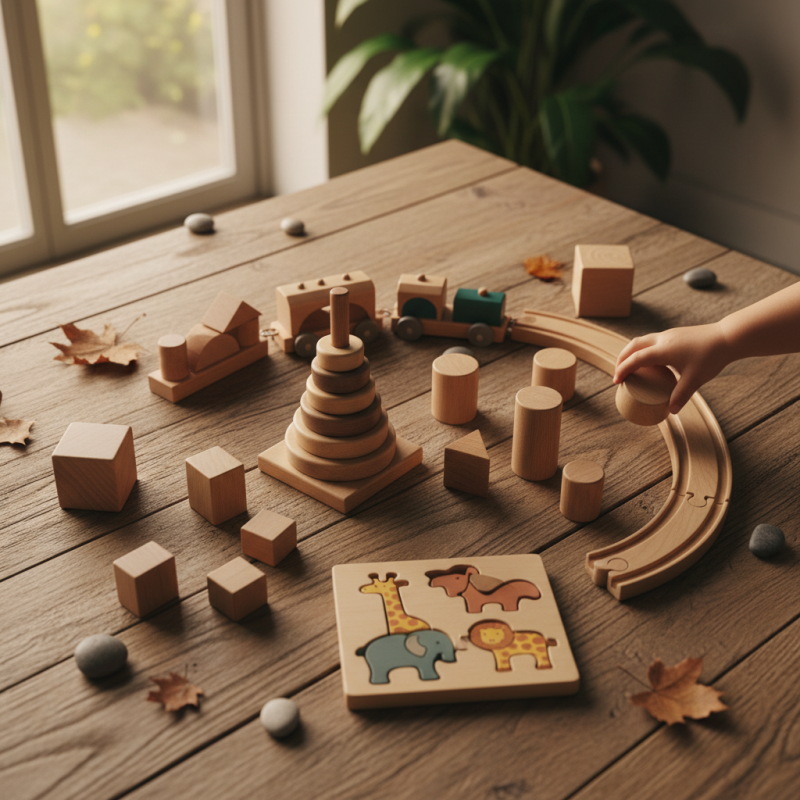
China Top 10 Reasons Why Wooden Toys Are Better Long Term?

The Longevity of Wooden Toys: A Sustainable Choice for Kids

When considering toys for children, wooden options stand out for their sustainability and long-term benefits. Research shows that wooden toys often have a lifespan of over 25 years, compared to plastic toys, which typically last only a few years before ending up in landfills. This durability not only translates into cost savings but also reduces environmental waste significantly. The reusability of wooden toys promotes a culture of sharing and caring for the environment among children.

Wooden toys also contribute to a healthier play environment. Unlike plastic, they are less likely to contain harmful chemicals, making them safer for children. A study published by the American Academy of Pediatrics highlights that wooden toys stimulate creativity and problem-solving skills. These toys provide tactile experiences that plastic often lacks. Children can explore textures, weights, and sounds, fostering cognitive growth.

However, the challenge lies in the perception of wooden toys as being "too traditional" or less engaging. Some parents may worry that they don't offer the same flashy features as modern plastic toys. It's essential to rethink this notion. The simplicity of wooden toys encourages imagination, allowing kids to create their own narratives and play styles. This aspect can lead to deeper learning and more meaningful play.

China Top 10 Reasons Why Wooden Toys Are Better Long Term

Reason Longevity Aspect Health Impact Environmental Benefit
Durability Lasts for years without wear Non-toxic materials ensure safety Biodegradable after use
Natural Aesthetics Timeless design appeals to multiple generations Encourages imaginative play Supports sustainable forestry practices
Educational Value Enhances motor skills Promotes cognitive development Low energy production costs
Customizability Can be easily personalized Safe for all ages Minimal packaging required
Social Interaction Encourages cooperative play Fewer risks of choking hazards Lower carbon emission during use
Cultural Importance Represents heritage and craftsmanship Non-allergenic finishes Less waste in production
Quality Over Quantity Long-lasting play value Encourages outdoor activities Supports local economies
Less Electronic Dependency Fosters hands-on learning Reduces screen time Encourages resourcefulness
Timeless Appeal Acts as a family heirloom Minimal risk of toxicity Eco-friendly materials reduce waste

Health Benefits of Wooden Toys: Safe Materials and Reduced Toxins

When it comes to children's toys, safety is a top priority for parents. Wooden toys stand out due to their non-toxic materials. Unlike plastic toys, many wooden toys are made from natural sources. The American Academy of Pediatrics emphasizes the importance of choosing toys that are safe and durable. In fact, a report by the Journal of Pediatric Health Care indicates that wooden toys significantly reduce the risk of exposure to harmful chemicals. Children benefit from playing with toys that are free from phthalates and BPA.

In addition to being safe, wooden toys often last longer than their plastic counterparts. A study from the Toy Industry Association showed that wooden toys can endure years of wear and tear. They can be passed down through generations, reducing waste. These toys foster creativity and imagination. Unlike electronic toys, they encourage children to engage more actively in play. The tactile nature of wood also stimulates sensory development. Kids learn to appreciate different textures.

However, while wooden toys are excellent choices, they are not completely without issues. Improperly treated wood can splinter. Parents need to ensure they purchase high-quality products. Some wooden toys may lack advanced features found in modern designs. This can be frustrating for those seeking variety. Balancing safety and stimulating play is essential for children's development.

Top 10 Reasons Why Wooden Toys Are Better Long Term

Wooden toys offer numerous health benefits due to their safe materials and reduced toxins. This chart illustrates the advantages of wooden toys over plastic counterparts based on various health and safety factors.

Educational Value: How Wooden Toys Enhance Developmental Skills

Wooden toys play a crucial role in enhancing children's developmental skills. According to a report by the American Academy of Pediatrics, tactile experiences are vital for healthy brain development. Wooden toys provide a natural texture that engages children’s senses and fosters creativity. Research indicates that children who engage with wooden toys exhibit improved problem-solving skills and enhanced imagination.

Moreover, wooden toys encourage cooperative play. A study published in the Journal of Educational Psychology found that children who play with wooden toys are more likely to work together. They communicate more effectively, fostering social skills that are essential in life. These interactions are key for emotional development, as they learn to share and resolve conflicts.

Despite their benefits, not all wooden toys are created equal. Parents should be mindful of the quality and safety standards of toys. Some may contain harmful paints or finishes. Examining reviews and certifications becomes essential. The right choice ensures a safe environment while maximizing educational value. Balancing safety and developmental benefits can be challenging, but the right wooden toys provide invaluable learning experiences.

Environmental Impact: The Eco-Friendliness of Wood vs. Plastic

Wooden toys have a significant advantage when it comes to environmental impact. Unlike plastic, wood is a renewable resource. It can be sustainably sourced from responsibly managed forests, ensuring a lower footprint on the planet. This aspect is crucial as the world grapples with climate change and pollution issues. Trees absorb carbon dioxide, helping to combat the greenhouse effect.


Plastic toys, on the other hand, often end up in landfills, where they take hundreds of years to decompose. The production of plastic also releases harmful chemicals into the environment. In contrast, wooden toys biodegrade efficiently, returning to the earth without leaving toxic residues. They can be painted or finished with non-toxic substances, minimizing their ecological impact.


Moreover, children benefit from wooden toys' natural qualities. They often spark creativity and imagination more than plastic ones. However, not all woods are created equal. Sourcing should be done with care to avoid deforestation. This adds a layer of responsibility for consumers and manufacturers alike. Choosing sustainably produced wooden toys promotes a healthier planet and a cleaner future for generations.

Market Trends: Consumer Preferences Shifting Towards Natural Toys

Consumer preferences are shifting towards natural toys, reflecting a growing awareness of health and sustainability. Research indicates that the global market for natural toys is expected to grow at a rate of over 10% annually. Parents are increasingly seeking wooden toys due to their durability and safety. In a recent survey, 75% of parents preferred toys made from natural materials over plastics. This trend underscores a commitment to environmental responsibility.

Wooden toys not only last longer but also provide tactile experiences that plastic counterparts cannot match. They are often free from harmful chemicals, promoting safe play. Additionally, wooden toys encourage creative play. A child can turn a simple block into anything their imagination conjures, which supports cognitive development. Many parents report that their children engage more deeply with wooden toys, fostering a love for play and learning.

Tips:

  • Look for certification labels that ensure toys are made from sustainable materials.
  • Consider the age appropriateness of wooden toys to enhance safety and engagement.
  • Explore local artisans who create eco-friendly wooden toys, supporting community craftsmanship.

FAQS

: What are the benefits of wooden toys?

: Wooden toys are durable and can last over 25 years, reducing environmental waste. They promote sharing among children.

Are wooden toys safer than plastic ones?

Yes, wooden toys usually contain no harmful chemicals like phthalates or BPA, making them safer for kids to play with.

Do wooden toys stimulate creativity?

Absolutely! They encourage imagination and problem-solving, providing tactile experiences that foster cognitive growth in children.

Can wooden toys be passed down?

Yes, their durability allows them to be reused and passed down through generations, minimizing waste significantly.

What is the environmental impact of wooden versus plastic toys?

Wooden toys are eco-friendly, being renewable and biodegradable, unlike plastic, which contributes to landfill issues.

Are there any downsides to wooden toys?

Some wooden toys can splinter if not treated well, and they may lack the advanced features of modern toys, which can frustrate some parents.

Conclusion

Wooden toys are increasingly recognized as a superior choice for children, primarily due to their longevity and sustainable nature. Unlike plastic toys, which contribute to environmental pollution, wooden toys are crafted from renewable resources and are biodegradable, making them an eco-friendly option. Parents are shifting their preferences towards these natural alternatives, understanding that they not only last longer but also offer a safer play experience, free from harmful chemicals and toxins.

In addition to their safety and sustainability, wooden toys provide significant educational value, promoting developmental skills through creative and imaginative play. They encourage children to engage with their environment more meaningfully, fostering cognitive and motor skills. In light of these factors, one might ask, "Why are wooden toys better long-term?" The answer lies in their combination of durability, health benefits, and positive impact on child development, making them a wise investment for families seeking quality and responsible choices.

Sienna

Sienna

Sienna is a skilled marketing professional with a deep expertise in our company’s core products and services. With a passion for innovation and detail, she plays a pivotal role in crafting insightful blog posts that not only highlight the unique features of our offerings but also provide valuable......