Trues Toys
When it comes to young children, safety should always come first, especially regarding toys. Dr. Emily Carter, a child safety expert, emphasizes this by stating, "Many toys pose hidden dangers that parents may overlook." So, why are some toys not safe for young kids?
Toys can contain small parts that are choking hazards, or toxic materials that can harm children. Many products lack proper safety standards, leading to the distribution of unsafe items. For example, bright colors and appealing designs can distract parents from safety labels. Additionally, some toys may have sharp edges or toxic paints, making them particularly dangerous.
Parents need to conduct thorough research before purchasing. A toy's appearance does not guarantee safety. Many well-known brands release products that are not rigorously tested. It is crucial to recognize that some seemingly harmless toys can pose real threats. Understanding why certain toys are unsafe helps caregivers make better choices. Prioritizing safety ensures our children can play and explore without unnecessary risks.
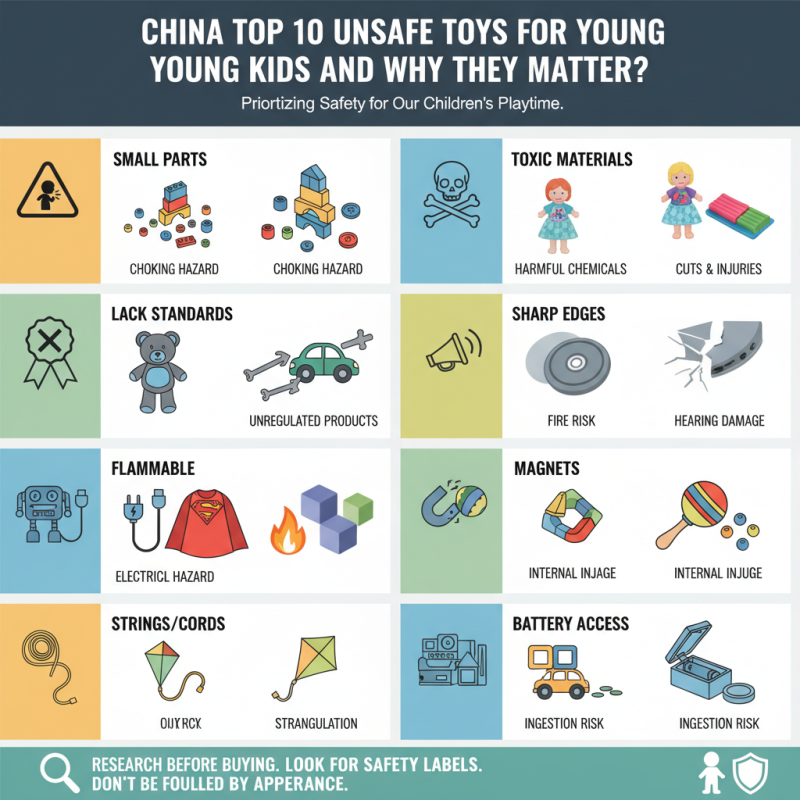
In recent years, the safety of toys for young kids in China has become a significant concern. China's regulatory framework for toy safety standards aims to protect children. However, challenges remain in enforcement and compliance. Various toys do not meet safety criteria due to insufficient inspections and oversight.
Parents should be vigilant when selecting toys. Always check for labels indicating compliance with safety standards. Choose toys made from non-toxic materials. Avoid toys with small pieces that can pose choking hazards. The value of reading reviews cannot be overstated.
Manufacturers need to adhere to stricter guidelines. Many toys may still contain harmful substances like lead. Regular audits and transparent practices can ensure better safety. There is a collective responsibility to improve the toy industry. Ultimately, prioritizing children's safety must be at the forefront of toy production.
When choosing toys for young children in China, safety is paramount. Many popular toys harbor hidden hazards. Small parts often pose choking risks for toddlers. Bright colors might attract children, but they can indicate harmful chemicals. Toxic paints and materials have been found in numerous toys. Parents need to be vigilant in checking toy labels and sourcing information.
Another critical concern is sharp edges. Toys with fragile components can break easily, leading to injuries. Soft toys often contain harmful fibers that can irritate a child's skin. Tiny embellishments may slip off and become choking hazards. The absence of proper age labeling on toys can lead to dangerous situations. Children might receive toys inappropriate for their developmental stage.
Sound-producing toys can be misleading too. Loud noises can damage young ears, despite their fun appeal. Parents are often unaware of the cumulative effects of prolonged exposure to such sounds. Toys that encourage dangerous play, like those promoting violence, can shape harmful behaviors. The relaxing thought of playtime can mask these risks, but awareness and vigilance are essential for ensuring a safe play environment.
In China, toy-related injuries among young children have become a growing concern. According to a report by the China Consumer Association, nearly 30,000 injuries related to toys were reported last year alone. This statistic highlights the urgent need for attention to toy safety. Injuries can range from minor cuts to severe incidents requiring hospitalization.
Common hazards include small parts that can cause choking. Many toys do not adhere to safety standards, putting children at risk. Approximately 60% of injuries result from toys that are marketed as suitable for young kids. Yet, the actual design fails to consider their developmental stage. These oversights call for a closer examination of toy manufacturing practices.
Moreover, a recent survey found that 22% of parents expressed concerns about the safety of toys available in stores. This reflects a broader issue: many parents often feel overwhelmed by the vast selection of toys. They may lack the expertise to discern what is truly safe for their children. Every child deserves safe play, but the reality is that many toys continue to pose risks. With increased awareness and action, we can work towards safer play environments for all children.
Unsafe toys pose significant risks to young children's development and overall well-being. A report by the Consumer Product Safety Commission revealed that nearly 200,000 toy-related injuries send children to emergency rooms each year. These injuries often stem from hazardous materials, sharp edges, or choking hazards.
Research indicates that exposure to unsafe toys can lead to long-term developmental issues. Several studies link toxic chemicals found in toys to developmental delays and behavioral problems. For instance, phthalates and lead, commonly found in plastic toys, can disrupt endocrine functions. These chemicals lead not only to physical risks but also to cognitive impairments in early childhood.
Parents often overlook the importance of toy safety. The allure of bright colors and engaging designs can overshadow potential dangers. Children explore their environment through play; thus, ensuring their toys are safe is crucial. By educating caregivers on the risks associated with unsafe toys, we can foster a safer playground for all children. Awareness and vigilance are key to combating this pressing issue.
Recent toy recalls underscore the importance of safety in children's products. According to a 2022 report by the U.S. Consumer Product Safety Commission, over 150 toys were recalled due to safety violations. Common concerns included choking hazards, toxic materials, and sharp edges. These issues pose serious risks to young children, who often explore toys with their mouths and hands.
One notable case involved a popular line of plush toys. After reports indicated that their eyes could detach easily, the manufacturer had to recall thousands of units. The market response was swift; parents became more cautious, and sales dropped significantly. A study found that 30% of consumers are less likely to buy from brands linked to safety issues, indicating a profound impact on public trust.
This pattern highlights a recurring risk within the industry. Each recall not only affects the brand's reputation but also raises broader questions about overall manufacturing standards. Experts suggest enhancing regulatory scrutiny and improving quality checks, yet many manufacturers still struggle with compliance. Each toy should not only be fun but also safe, and ongoing vigilance in safety practices is essential.
: Children's safety is paramount. Many toys do not meet safety criteria due to poor oversight.
Parents should check labels for safety compliance. Choose toys free from toxic materials.
Avoid toys with small pieces that can cause choking. Be cautious of sharp edges too.
Recalls indicate serious safety concerns. They can harm brand reputation and consumer trust.
Parents tend to avoid brands linked to safety issues. Sales can decrease significantly as a result.
Adhere to stricter guidelines and improve inspection practices. Regular audits are essential for compliance.
Yes, many toys may still contain substances like lead. This poses risks to children.
Recalls happen frequently; for example, over 150 toys were recalled in 2022 alone.
Choking hazards are prevalent. Toys must be designed to prevent this risk effectively.
Safety must be prioritized over fun. Ongoing vigilance in safety practices is crucial.
The article "China Top 10 Unsafe Toys for Young Kids and Why They Matter" explores critical issues surrounding toy safety standards in China. It outlines the country’s regulatory framework for toy safety and highlights common safety hazards found in popular children's toys, such as choking risks, toxic materials, and sharp edges. The article presents alarming statistics on toy-related injuries among young children, emphasizing the urgent need for vigilance in toy selection.
Additionally, it examines how unsafe toys can negatively impact child development and overall well-being, shedding light on cases of recent toy recalls and their market consequences. Ultimately, the discussion raises the pivotal question, "Why are some toys not safe for young kids?" urging parents and stakeholders to prioritize safety in toy manufacturing and selection to protect young children from preventable harm.
