Trues Toys
When it comes to children's toys, safety is a top priority. Parents often wonder, "What materials are safest for toys?" According to Dr. Emily Carter, a leading expert in child safety, “Choosing the right materials can prevent hazards and ensure playtime is fun and safe.” Her insights shed light on the importance of selecting non-toxic and durable materials.
Many common toys are made from plastics that may pose risks. This raises concerns among caregivers. For example, toys made of PVC often contain harmful chemicals. Alternatives like organic cotton, bamboo, and natural rubber can provide safer options. Each material has unique benefits. Organic cotton is soft and hypoallergenic, perfect for sensitive skin. Bamboo is sustainable and strong, perfect for long-lasting toys.
However, even safe materials can come with their own issues. Some natural toys might break down faster over time. Parents need to balance safety with durability. Regularly inspecting toys for wear and tear is essential. Educating oneself on "What materials are safest for toys" empowers parents to make informed choices. The right toy can enhance a child’s development while keeping them safe.
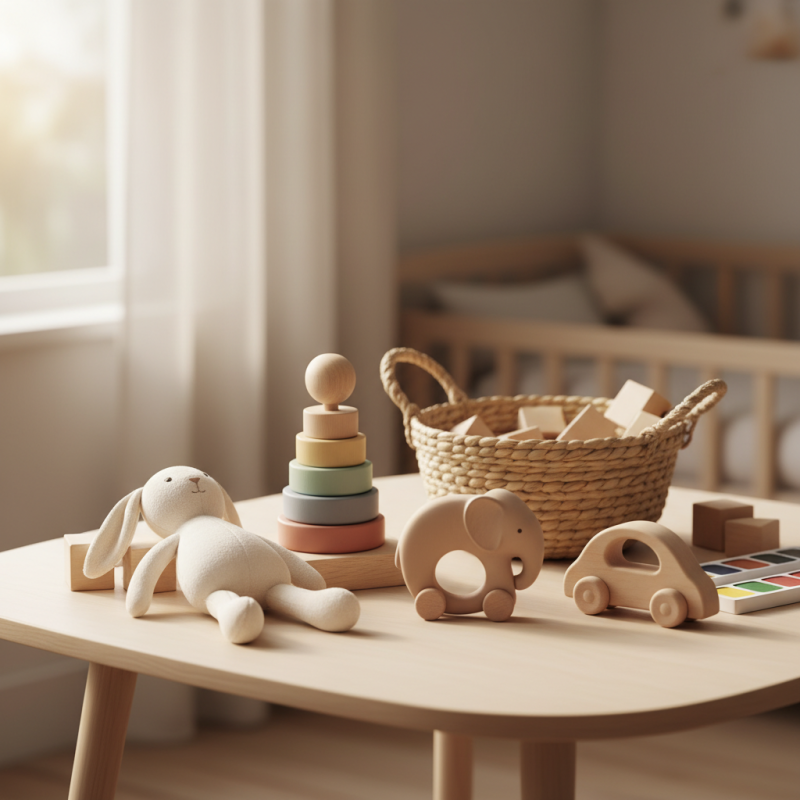
When selecting toys for children, safety should always come first. Understanding the materials used in toys is crucial for ensuring children's health. Many toys are made using plastics, metals, and fabrics that can contain harmful substances. Choosing safe materials helps prevent exposure to toxins and allergens.
Wood is a top choice. It is naturally durable and non-toxic when untreated. Look for options that are polished with safe finishes. Organic cotton is another excellent option. This fabric is soft, breathable, and free from harmful chemicals. It is gentle on sensitive skin and safe for little ones to explore.
Educating parents about safe materials plays a vital role. Some toys may look appealing but can pose risks. Even common items can harbor dangerous elements. Parents often overlook this when shopping. The importance of vigilance cannot be understated. Regularly checking for recalls and safety certifications adds an extra layer of protection. Safe toys provide peace of mind, paving the way for joyful play.
When it comes to choosing materials for children's toys, safety is paramount. Non-toxic plastics are a popular choice among manufacturers. They are designed to minimize health risks while providing durability and flexibility. Materials like polyethylene and polypropylene are common. These plastics are lightweight, making it easier for children to handle toys.
Beyond safety, the environmental impact of materials is also important to consider. Some non-toxic plastics can be recycled, which helps reduce waste. However, not all manufacturers prioritize sustainability. This raises questions about the overall footprint of toy production. Another consideration is the production process. Some non-toxic plastics may still release fumes during manufacturing.
Parents must remain vigilant. Reading labels and asking questions can help ensure purchases are safe. It's essential to seek toys made from tested materials. While non-toxic plastics are a step in the right direction, awareness is key. Understanding the materials used can lead to better choices for children's health and the planet.
When it comes to choosing materials for children’s toys, sustainable wood options shine brightly. Natural wood is not only durable but also safe for young ones. Many types of wood, like maple or birch, are known for their strength and non-toxic finishes. These woods can withstand rough play, ensuring kids have fun without risk.
However, not all wood is equal. Some trees, like rubberwood, are sustainable choices that often go overlooked. They grow quickly and do not require deforestation practices. It’s essential to verify that any wood used is sourced responsibly. Awareness of how wood is treated is also vital. Some finishes might contain harmful chemicals. Always prioritize toys with clear labeling about their safety standards.
Exploring environmentally friendly options is worthwhile. While there are numerous safe materials available, many parents may still gravitate toward cheaper alternatives. This choice can sometimes lead to regrettable decisions about safety. Reflecting on materials used in toys can lead to better decisions. Families should remember that investing in quality, safe toys benefits children's health and the planet alike.
When choosing plush toys for children, the choice of materials is crucial. Natural fabrics, such as organic cotton and linen, are excellent options. These materials are typically free from harmful chemicals. They provide a soft and safe experience for children during playtime. Parents can feel assured knowing that these fabrics are not only gentle on the skin but also environmentally friendly.
Tips for selecting safe toys: Look for certifications indicating organic status. Check for any additional treatments that may compromise safety. Soft toys should be machine-washable for easy cleaning.
Plush toys made from synthetic materials may seem appealing, but they can pose risks. Chemicals used in production can lead to allergies or irritation. Some toys may even release microplastics over time, harming the environment. Reflect on how often you check the labels of these toys before purchasing.
Encouraging kids to play with natural fabric toys can foster a sense of security. The comforting texture of organic materials can help soothe children. This aspect of play nurtures emotional development, making it vital to choose wisely.
When choosing materials for children’s toys, safety is crucial. One key area to consider is the type of paints and finishes used. Many paints contain harmful chemicals. These can lead to health issues, especially for young children who may put toys in their mouths. Identifying safe options is essential for any toy manufacturer.
Look for non-toxic paints that are free from lead, phthalates, and volatile organic compounds (VOCs). Water-based paints are often a safer choice. They tend to have lower levels of harmful chemicals. Always check for certifications from credible organizations that ensure the safety of these products. However, the labeling can be confusing. Not all terms are regulated, which can create uncertainty for consumers.
Pay attention to the drying process as well. Paints that dry quickly might contain solvents that release harmful fumes. Opt for natural finishes, like oils or waxes, which are generally safer. While these choices may require more maintenance, they provide a safer environment for children. Every decision matters in creating a safe play space. Parents should remain vigilant and informed about the products they choose for their children’s playtime.
: Safe materials prevent exposure to harmful substances, protecting children's health and well-being.
Natural options like wood and organic cotton are safe. They are non-toxic and gentle on sensitive skin.
Look for natural fabrics. Check for organic certifications to avoid harmful chemicals.
Synthetic toys can cause allergies and may release microplastics, harming the environment over time.
It's essential to check labels regularly. This helps ensure the toys are safe and free from harmful elements.
Yes, natural fabric toys provide comfort. They help soothe children, supporting their emotional growth during play.
Absolutely. Staying informed about recalls adds an extra layer of safety for children.
Soft toys should be machine-washable. This ensures easy cleaning and maintenance for hygiene purposes.
Many parents focus on appearance rather than safety. This can lead to potential risks for their children.
Untreated wood is durable and safe. It is an excellent choice for toys, provided it has safe finishes.
When considering what materials are safest for toys, it's essential to understand the significance of using non-toxic and child-friendly options. The article explores various materials that can be utilized in the manufacturing of children’s toys, starting with non-toxic plastics that are designed to be safe for play. Sustainable wood choices are highlighted as a great alternative, providing durability and safety while also being environmentally friendly.
Additionally, natural fabrics are examined for their role in producing safe plush toys that avoid harmful chemicals. The discussion extends to safe paints and finishes, essential for ensuring that decorative elements on toys do not pose health risks. By focusing on these safe materials, parents can make informed decisions that contribute to the well-being of their children during playtime.
