Trues Toys Trues Toys

Reviving Old Toys for 2026 How to Make Them Fun Again?

Time:2026-06-29 Author:Aria
0%

As we approach 2026, the resurgence of vintage toys offers exciting opportunities for innovation. The global toy market is projected to reach $120 billion by 2026, driven by nostalgia and sustainability trends. Many parents seek to revive childhood memories through the toys they once loved. According to industry expert Dr. Emily Carter, "How to make old toys fun again is about merging tradition with modern engagement." Her insights highlight the importance of enhancing classic play through technology and creative storytelling.

To breathe new life into old toys, it's essential to understand what makes them appealing today. Research shows that 72% of parents believe that nostalgic toys can build lasting connections with their children. Yet, many toys find themselves gathering dust in attics. This prompts us to ask: How can we bridge the gap? Simple updates—think interactive features or eco-friendly materials—can transform forgotten items. However, it requires careful consideration; not every old toy will resonate with today's tech-savvy children.

Reflecting on past play experiences invites reflection. Some changes may not always succeed. Embracing feedback loop and trial-and-error opportunities is crucial. After all, the joy of play is both a heritage and an evolving experience. By creatively exploring "How to make old toys fun again," we create pathways to lasting joy for new generations.
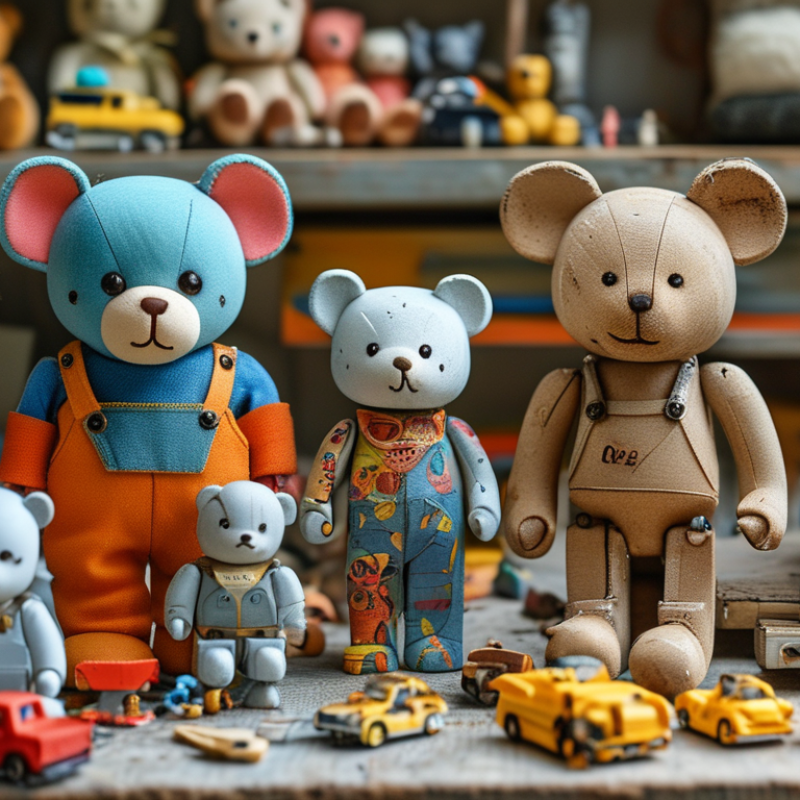
Reviving Old Toys for 2026 How to Make Them Fun Again?

Exploring the Nostalgia of Old Toys in the Modern Era

In today's fast-paced world, the charm of old toys often gets overshadowed by the latest gadgets. Yet, these vintage treasures hold a unique nostalgia. They remind us of simpler times when creativity was paramount. For many, these items evoke memories of laughter and imagination. Restoring them can reignite that joy, adding a modern twist.

To make old toys appealing again, delve into their history. What stories do they tell? A simple teddy bear may have comforted a child at bedtime. Repainting it or adding a quirky accessory can breathe new life into it. Many old toys also have intricate designs. Highlighting these details can spark interest, not just for kids, but for collectors too.

There’s a challenge in this revival journey. Not every toy will resonate with a new generation. Some may seem outdated or even uninteresting. Balancing nostalgia with innovation is key. Embracing imperfections can lead to unexpected creativity. Nostalgia is powerful, but the revival must also celebrate evolution.

Identifying Classic Toys Worth Reviving for 2026

When considering the revival of classic toys for 2026, it's essential to focus on those that evoke nostalgia yet retain play value. Data from the Toy Association shows that 47% of parents prefer toys that encourage creativity. Classic toys, like building sets and dolls, often stimulate imagination and social play. These toys have stood the test of time and can be reintroduced with a modern twist to enhance their appeal.

Toys like wooden blocks and action figures have a significant following. A report by Statista found that classic toys generate over $2 billion in sales annually. Their durability is key. However, reviving them comes with challenges. Many of these toys may lack contemporary safety features or fail to resonate with today's tech-savvy children. It's important to re-evaluate their design while maintaining their essence.

Moreover, not all classics translate well to the current market. Some toys may appear outdated or irrelevant, leaving children disinterested. Take time to study consumer trends and gather feedback. Engaging with parents and children can provide valuable insights into what truly excites young minds. Balancing nostalgia with modern preferences will be crucial in this revival journey.

Innovative Repair Techniques for Aging Toys

Reviving old toys often seems daunting. Many toys lose charm over time. Yet, innovative repair techniques can restore them. In fact, a recent report by the Toy Association reveals that 70% of parents prefer refurbished toys over new ones. This not only saves money but also promotes sustainability.

One effective method is repainting faded areas. Use non-toxic acrylic paints that adhere well to plastic. A simple touch-up can breathe life into a tired toy. Another option is reupholstering plush toys with vibrant fabrics. This adds a new texture and look. Consider using old clothing for a nostalgic touch.

Tips: Seal repairs with a child-safe sealant. It protects your hard work and extends the toy's lifespan. Transforming toys isn’t always perfect. Sometimes materials clash, and the finish may not be flawless. Embrace these imperfections—they tell a story. Adding custom features, like stitching a pocket or attaching a new accessory, can enhance uniqueness. Remember, the goal is fun, not perfection.

Incorporating Technology to Enhance Traditional Play Experiences

Incorporating technology into traditional toys can revolutionize play experiences. The interactive nature of digital elements attracts children’s attention. For instance, research shows that children aged 3-8 are more engaged when toys have smart features. These can include augmented reality (AR) elements that bring toy characters to life. When children interact with their toys through apps, imagination flourishes.

Teachers have reported that tech-enhanced toys can aid in educational development. A 2022 survey indicated that 70% of educators believe these toys boost creativity and cognitive skills. This is especially true for STEM-focused toys, which help kids learn fundamental concepts while playing. Yet, not every toy needs tech. Some classics remain beloved, but integrating simple digital features can enhance their appeal.

It's vital to balance innovation with simplicity. Overcomplication can frustrate children rather than excite them. For older toys, introducing light and sound might be enough. However, engaging feedback from parents shows that maintaining tactile experiences is crucial. Research found that 65% of parents value hands-on play alongside tech interaction. Thus, while technology can enhance traditional play, its integration must be thoughtful and mindful.

Creative Ideas for Modernizing Old Toy Designs and Features

Reviving old toys for 2026 involves modernizing their designs and features to captivate today’s children. According to recent reports, the global toy market is projected to reach over $120 billion by 2026, indicating a rising interest in innovative play experiences. One effective strategy is to incorporate technology into traditional designs. Imagine transforming a classic wooden train set into a smart learning tool that teaches children about engineering concepts through interactive apps. This approach merges nostalgia with modern educational trends.

Another idea focuses on sustainability. With 48% of parents prioritizing eco-friendly toys, redesigning old toys using recycled materials can appeal to today's environmentally conscious consumers. Picture a beloved teddy bear made from organic cotton and biodegradable stuffing. Such adaptations resonate with kids and parents alike. However, it’s crucial to ponder if these changes compromise the essence of the original toys. Balancing innovation with the charm of traditional design can be challenging.

Additionally, integrating customizable features can enhance engagement. Offering children the chance to personalize their toys makes playtime more meaningful. A simple twist or a changeable outfit can reignite interest in a forgotten toy. Yet, it’s worth considering whether this leads to constant consumerism. Finding that middle ground is essential for creating lasting memories, not just fleeting excitement. These strategies highlight the potential for old toys to shine anew while encouraging reflection on their role in play.

Reviving Old Toys for 2026: Popularity of Modernized Features

FAQS

: What types of classic toys are worth reviving?

: Toys that foster creativity and imagination are ideal. Building sets and dolls remain popular choices.

How much do classic toys generate in sales annually?

Classic toys generate over $2 billion in sales each year, showcasing their enduring popularity.

What challenges exist in reviving classic toys?

Many classic toys lack modern safety features. They may also fail to attract today’s tech-savvy children.

How can technology enhance traditional toys?

Integrating simple tech, like AR elements, can increase engagement and imagination during playtime for children.

Why is feedback from parents and children important?

Engaging with families provides insights into preferences and trends, ensuring toys appeal to modern kids.

What role does sustainability play in toy design?

Eco-friendly materials attract consumers. Parents prefer toys made from sustainable resources.

Can old toys be modernized without losing their charm?

Balancing modern features with traditional designs is key. Changes must retain the original toy's essence.

How does customization impact children's engagement with toys?

Personalizing toys can rejuvenate interest. However, it raises concerns about encouraging constant consumerism.

What should toy developers reflect on during the design process?

They need to ponder whether innovations compromise the childhood memories associated with classic toys.

Is technology necessary for every toy?

No, some classic toys remain beloved without tech. The focus should be on thoughtful integration.

Conclusion

The article "Reviving Old Toys for 2026: How to Make Them Fun Again?" delves into the profound nostalgia that classic toys evoke in the modern era. It identifies timeless toys that are primed for revival, emphasizing the importance of recognizing their sentimental value. Innovative repair techniques are discussed to restore aging toys, ensuring they can once again delight children and evoke joy in adults.

In addition to physical restoration, the article suggests incorporating technology to enhance traditional play experiences, making it possible to bridge the gap between nostalgia and contemporary play. Creative ideas for modernizing old toy designs and features are explored, providing a roadmap for parents and enthusiasts alike on how to make old toys fun again. By combining the cherished elements of the past with innovative solutions, we can breathe new life into these beloved playthings for a new generation.

Aria

Aria

Aria is a dedicated marketing professional with a deep passion for innovative strategies and a keen understanding of our company's product offerings. With a wealth of experience in the industry, Aria excels at crafting engaging content that highlights the unique features and benefits of our......