The world of toys has evolved significantly, especially in their role in education. As parents and educators, it's essential to explore what makes a toy good for learning. Toys are more than just entertainment; they can be effective learning tools. The right toys provide children with opportunities to explore, create, and develop critical skills.
When considering toys for skill enhancement, several qualities come into play. These include engagement, durability, and the ability to encourage social interaction. Engaging toys capture attention, while durable options withstand rigorous play. Social interaction is crucial in building communication skills. Each of these qualities offers a unique benefit to a child's learning journey.
It’s not just about fun. Some toys may seem appealing but fail to support skill development. That raises the question: how do we discern which toys truly enhance learning? Reflecting on past choices can lead to better decisions in selecting toys that promote growth and curiosity in children. The journey to choose the right educational toys invites thoughtful consideration.
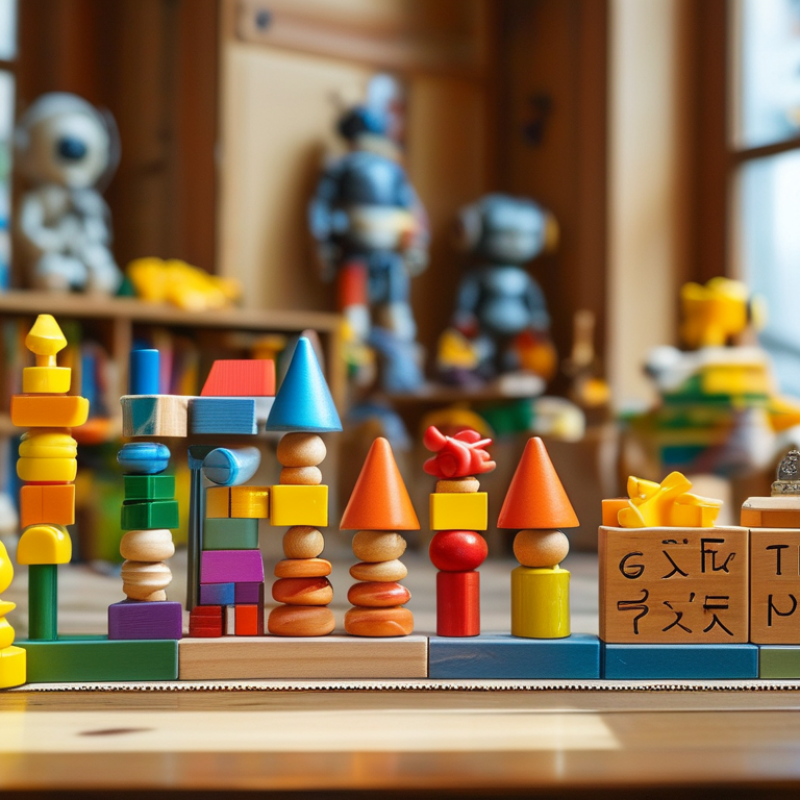
Essential Characteristics of Educational Toys to Boost Learning
When selecting educational toys, several key traits distinctly enhance learning experiences. Experts emphasize the importance of toys that encourage creativity. According to a report from the American Educational Research Association, creative play boosts cognitive growth by up to 30%. Toys that encourage imaginative scenarios help children think outside the box.
Another essential quality is adaptability. Educational toys should cater to various skill levels. For example, a toy that transforms as a child grows can sustain interest for years. This adaptability is crucial, as research shows that children benefit from prolonged engagement with learning tools. Additionally, toys that promote social interaction create opportunities for teamwork. Children learn communication and problem-solving through play with peers.
Lastly, toys that stimulate sensory experiences can greatly enhance engagement. The National Association for the Education of Young Children recommends toys that incorporate different textures, sounds, and colors. However, not all sensory experiences lead to positive learning. Some toys overwhelm rather than engage. Finding the right balance is key. High-quality educational toys offer diverse benefits, but parents must critically evaluate choices to ensure they truly support skill development.
Interactive Features That Encourage Active Engagement in Learning
Interactive features in toys can greatly enhance learning skills in children. According to a report from the American Psychological Association, engaging toys facilitate better cognitive development. For instance, toys that incorporate problem-solving tasks encourage critical thinking. This evidence shows that toys with puzzles or building elements promote active participation, making learning both fun and effective.
In a study published by the Toy Industry Association, 85% of parents noted that toys with interactive components keeps their children mentally engaged. These toys foster creativity and imagination. Whether it is a toy that requires assembling or one featuring sounds and lights, they invite children to explore. However, not all toys are created equal. Some may offer initial engagement but lack depth for sustained learning. It’s crucial for caregivers to select toys that balance entertainment with educational value. Parents should consider toys that integrate technology thoughtfully. Too much electronic interaction could diminish hands-on experiences.
When toys have interactive elements, they encourage social interactions among children. Playing together is essential for developing soft skills, such as communication and teamwork. Some toys may not adequately promote this aspect, leading to missed opportunities for collaboration. Reflecting on the selection of educational toys should be a priority. Quality interactions can shape a child’s learning journey, making the choice of toys a key responsibility for adults.
Safety and Material Quality for Enhanced Learning Experiences
Safety and material quality are essential when selecting toys that boost learning skills. Parents should prioritize products made from non-toxic materials. Unsafe toys can pose health risks, affecting a child's ability to learn. Choose toys that meet safety standards and have durability. A well-constructed toy not only lasts longer but also supports active engagement during playtime.
Tips: Always check for safety certifications. Look for labels that indicate compliance with safety regulations. Consider toys with smooth edges and safe parts. These factors help parents make informed choices. Inspect the materials and ensure they are appropriate for your child's age.
In addition to safety, the quality of materials promotes a more enriching experience. Natural materials, like wood, can stimulate creativity and tactile exploration. They often feel better to touch. Plastic toys may offer more variety, but they should still be safe and free from harmful chemicals. Balancing quality and safety can sometimes be a challenge. Parents might need to reflect on what truly matters for their child’s growth. Being mindful of these details will enhance the overall learning journey.
Top 10 Qualities of Toys That Enhance Learning Skills
| Quality |
Description |
Importance |
Examples |
| Safety |
Toys should be free of harmful chemicals and small parts to prevent choking hazards. |
Ensures child safety during play. |
Soft blocks, large plastic toys |
| Material Quality |
High-quality, durable materials enhance longevity and playability. |
Saves money and reduces waste. |
Wooden toys, sturdy plastic materials |
| Educational Value |
Toys that promote problem-solving and cognitive skills. |
Encourages learning through play. |
Puzzle games, STEM kits |
| Age Appropriateness |
Toys should be suitable for the child's developmental stage. |
Promotes effective learning and engagement. |
Stacking toys for toddlers, complex models for older kids |
| Interactive Features |
Toys that respond to user actions keep children engaged. |
Enhances learning through active participation. |
Electronic learning toys, interactive books |
| Creativity Encouragement |
Toys that allow open-ended play promote creativity. |
Encourages imaginative thinking and innovation. |
Arts and crafts sets, building kits |
| Social Interaction |
Toys that promote group play and teamwork skills. |
Fosters communication and collaboration abilities. |
Board games, team-based activities |
| Multisensory Experience |
Toys that engage multiple senses (sight, sound, touch). |
Enhances cognitive development and learning retention. |
Musical instruments, sensory play kits |
| Adaptability |
Toys that can evolve with the child’s abilities. |
Ensures long-term use and continuous learning. |
Modular playsets, adjustable difficulty puzzles |
Diversity and Variety in Toys to Cater to Different Learning Styles
When it comes to children's toys, diversity is key. Different toys stimulate various learning styles. Visual learners thrive on colorful building blocks. These blocks help develop spatial awareness. They challenge children to think creatively. Hands-on experiences are crucial for kinesthetic learners. Toys that require physical manipulation can enhance fine motor skills.
Auditory learners benefit from toys that make sounds. Instruments or interactive books engage their listening skills. Toys that promote role-playing are great for interpersonal learners. They encourage social interaction and teamwork. The variety in toys can uncover hidden strengths. Every child has a unique learning style. Some may excel with puzzles while others need movement.
It is essential to consider the types of toys chosen. Not all toys are designed with educational purposes in mind. Finding a balance between fun and learning can be difficult. Reflection on what works best for each child is necessary. Parents should observe their child’s engagement and interest levels. Understanding a child’s needs can lead to better choices. Ultimately, the right toys can foster a love for learning.
Age Appropriateness and Developmental Benefits of Learning Toys
Selecting the right toys for children is vital for their development. Age-appropriate toys are essential for enhancing learning skills. Research shows that toys matched to a child’s age can significantly boost cognitive function. The American Academy of Pediatrics emphasizes that children engage better when toys are suitable for their developmental stage.
For instance, building blocks for toddlers promote spatial awareness and fine motor skills. A 2019 study revealed that children who play with manipulatives outperformed peers in problem-solving tasks. As children grow, interactive toys that promote social interactions become important. They encourage communication and cooperation among peers. Yet, many toys fail to challenge children's critical thinking. Parents should assess toys carefully to ensure they offer growth opportunities.
It’s crucial to recognize the nuances in development. Not all toys labeled as educational provide the same benefits. Some may distract rather than engage young minds. Observing how children interact with toys can provide insights. Are they playing alone or with others? Are they exploring freely, or are they confined to a single activity? Understanding these dynamics can help caregivers select toys that truly enhance learning and growth.
Top 10 Qualities of Toys That Enhance Learning Skills
Conclusion
When considering what makes a toy good for learning, several essential qualities come into play. Educational toys should possess characteristics that not only stimulate cognitive development but also encourage interactive features that promote active engagement. Safety and high-quality materials are crucial, as they enhance the overall learning experience while ensuring the well-being of children. Additionally, a diversity of toys is vital to cater to various learning styles, allowing children to explore and absorb knowledge in ways that resonate with them.
Moreover, it is important for toys to be age-appropriate and provide developmental benefits that correspond with the child's growth stages. By focusing on these key elements, parents and educators can choose toys that effectively boost learning skills and foster a love for exploration and discovery. The combination of these attributes ultimately contributes to a holistic approach to education through play.
 Trues Toys
