Trues Toys Trues Toys

What Parents Must Check on Toy Labels for 2026 Top Picks?

Time:2026-05-31 Author:Sophia
0%

As we approach 2026, ensuring toy safety is imperative for parents. Toys are essential for child development, offering opportunities for learning and play. However, safety concerns often accompany them. Parents must ask, “What should parents check on toy labels?” This question is vital for informed and safe choices.

Toy labels provide crucial information about safety standards and age recommendations. Parents should look for safety certifications from reputable organizations. Labels often indicate if toys are free from harmful chemicals. Moreover, the intended age range can prevent accidents and injuries. Selecting toys without thorough label checks could put children at risk.

In this evolving market, new materials and technologies emerge constantly. Some toys may appear safe but pose hidden dangers. Hence, a careful review of toy labels is essential. Understanding symbols and terms can be challenging, yet parents must be vigilant. Reflecting on these details ensures the well-being of our children. Making informed choices fosters a safe and enriching play environment.
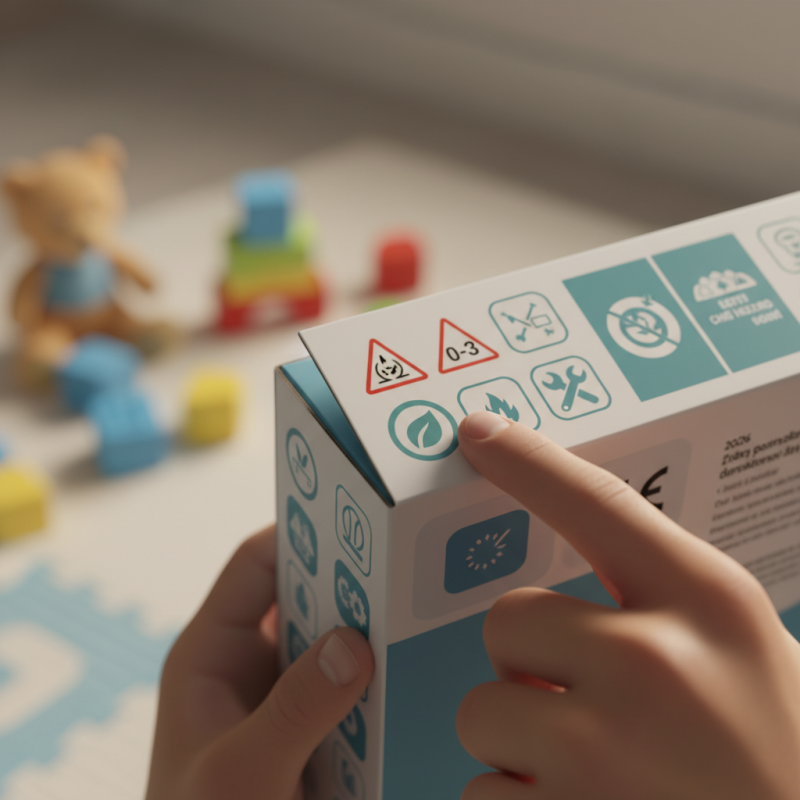
What Parents Must Check on Toy Labels for 2026 Top Picks?

What Safety Standards Parents Should Look for in Toy Labels

When selecting toys for children, safety is paramount. Parents should closely examine toy labels for crucial safety standards. In the United States, the ASTM F963 standard is a benchmark for toy safety. This ensures that toys are tested for mechanical hazards, toxic elements, and flammability. According to a report from the Consumer Product Safety Commission, about 200,000 toy-related injuries occur annually. As such, checking for compliance with safety regulations is not just advisable; it is essential for every parent.

Look for labels that indicate third-party testing, a key factor in ensuring toy safety. Third-party labs assess products before they reach consumers. This signifies that safety standards have been adhered to. Notably, toys made with larger components can also help lower choking hazards. Smaller toys might pose risks, especially for younger children. According to the National Safety Council, small parts are a leading cause of toy-related injuries.

Tips: Always inspect for age recommendations on toy packaging. Age labels guide parents in selecting suitable toys. Additionally, if a toy feels flimsy or poorly constructed, it may not withstand typical use. Such qualities can lead to breakage and potential hazards. Parents must stay informed and vigilant about the toys they bring home.

Understanding ASTM F963: The American Toy Safety Standard

When choosing toys for children, parents must pay close attention to safety standards. The American Toy Safety Standard, ASTM F963, outlines essential requirements. This standard ensures toys are safe for children’s play. It covers various aspects like material safety, labeling, and proper age recommendations. Compliance with this standard significantly reduces risks.

One crucial detail to check on toy labels is whether they meet ASTM F963 requirements. Look for specific mentions of this standard. Verify any warning labels regarding choking hazards or age suitability. These warnings are crucial in keeping children safe.

Here are some tips for parents: Make a checklist of features to look for in toys. Prioritize non-toxic materials. Check the toy's construction thoroughly. Smaller parts can pose choking risks. Finally, always read reviews and seek expert opinions to ensure the toy’s reliability. Being vigilant about these elements can make a significant difference in toy safety.

Identifying Toxic Chemicals: What to Watch for in Toy Materials

When shopping for toys, parents must prioritize safety. Toxic chemicals often lurk in materials used for children's playthings. Lead, phthalates, and bisphenol A (BPA) are some harmful substances to check for on labels. These chemicals can have long-term health impacts on kids. Manufacturers may not always disclose this information clearly. Parents should be vigilant.

Toy materials should be non-toxic and eco-friendly whenever possible. Look for certifications like ASTM or EN71, indicating compliance with safety standards. Reading the fine print on packaging can help identify potential hazards. Sometimes, colorful toys can hide more than just fun. The vibrant paints may contain harmful substances. Don't hesitate to reach out to manufacturers for clarity.

Reflecting on your child's play habits is essential too. Are they prone to putting toys in their mouths? If so, choosing fabric or wooden toys may reduce risks. Balancing fun and safety is critical. It's a challenge, but informed choices lead to a healthier playtime environment. Engaging with local parenting groups can provide support in making safer purchases.

What Parents Must Check on Toy Labels for 2026 Top Picks? - Identifying Toxic Chemicals: What to Watch for in Toy Materials

Material Potential Toxic Chemicals Health Risks Regulation Status
PVC (Polyvinyl Chloride) Phthalates Hormonal disruptions, developmental issues Banned in many toys for children
Lead-based Paint Lead Neurological damage, developmental delays Banned in children's toys
BPA (Bisphenol A) Plastics BPA Endocrine disruption, reproductive issues Regulated in some regions
Synthetic Fabrics Flame Retardants Cancer risk, hormone disruption Regulated in children’s products
Foam Materials Toluene, Formaldehyde Respiratory issues, skin irritation Banned in some jurisdictions

Age Appropriateness: How to Ensure Toys are Suitable for Your Child

When selecting toys for children, age appropriateness is a critical factor. The American Academy of Pediatrics states that toys should match children's development stages. For instance, an infant's grasp reflex differs significantly from a toddler's fine motor skills. Parents should carefully read labels to find age recommendations that align with these developmental milestones.

Tips: Always check the manufacturer's age guidelines. If a toy is labeled for kids aged 3 and up, it may contain small parts not suitable for younger siblings.

Data from the Toy Industry Association reveals that 37% of parents admit they don’t always consider age recommendations. This can lead to frustration for children and potential safety risks. Educating parents about these guidelines is essential. Toys that are too advanced can hinder a child's confidence and interest in playtime.

Tips: Observe your child's play preferences. It can reveal whether they are prepared for more complex toys. Sometimes, even popular toys may not fit every child's needs.

Sustainability in Toys: Evaluating Eco-Friendly Labels and Certifications

When choosing toys, parents should pay attention to eco-friendly labels. Sustainability is becoming crucial in the toy industry. Many products now carry certifications indicating they meet environmental standards. Parents should look for labels such as "Biodegradable," "Recyclable," or "Made from Recycled Materials." These markers show that a toy is designed with the planet in mind.

However, not all claims are equally trustworthy. Some toys may display green labels that sound appealing but lack proper certification. This can lead to confusion. It’s essential for parents to research these terms. Understanding what each label means can prevent misunderstandings. A toy may be labeled organic but still contain harmful chemicals.

Parents should also consider the manufacturing process. Handmade toys often have a lower environmental impact. Knowing the origins of a toy can provide insight into its sustainability. Visiting local shops or seeking brands that share transparency about their materials is a good approach. Though the journey of finding eco-friendly toys can be challenging, it is rewarding for both children and the environment.

Sustainability in Toys: Evaluating Eco-Friendly Labels and Certifications for 2026 Top Picks

FAQS

: What safety standards should parents look for on toy labels?

: Parents should check for ASTM F963 compliance to ensure toy safety. This standard covers mechanical hazards and toxic elements.

Why is third-party testing important for toys?

Third-party testing ensures toys meet safety standards before reaching consumers. This adds an extra layer of safety assurance.

How can I reduce choking hazards when selecting toys?

Opt for toys with larger components. Avoid small parts, especially for younger children, as they pose choking risks.

What should I do if a toy feels flimsy or poorly made?

If a toy appears weak, consider not purchasing it. Poor construction can lead to breakage and potential dangers.

How can I use age recommendations effectively?

Always check the age recommendations on toy packaging. They guide parents in choosing age-appropriate and safe toys.

What materials should I prioritize when buying toys?

Non-toxic materials should be a top priority. This reduces exposure to harmful substances during play.

Are there specific warnings I should look for on toy packaging?

Yes, look for warnings regarding choking hazards and age suitability. These warnings are vital for keeping children safe.

How can reviews help in selecting safe toys?

Reading reviews can offer insights into the toy’s reliability. This helps ensure that the toy is safe and well-constructed.

How often do toy-related injuries occur?

About 200,000 toy-related injuries happen annually, highlighting the need for vigilant toy selection by parents.

Can compliance with safety standards completely eliminate risks?

While compliance significantly reduces risks, no toy is completely free from potential hazards. Parents must remain cautious.

Conclusion

When selecting toys for children, a critical aspect to consider is what should parents check on toy labels. Parents should prioritize safety standards, ensuring that toys comply with ASTM F963, the American Toy Safety Standard. This standard outlines essential safety protocols that help protect children from potential hazards associated with toys.

Additionally, it's important to identify toxic chemicals that may be present in toy materials, as these can pose health risks. Parents should also consider the age appropriateness of toys, confirming they are suitable for their child's developmental stage. Lastly, with growing environmental concerns, evaluating eco-friendly labels and certifications can help parents make sustainable choices, ensuring the toys they choose are not only safe but also environmentally responsible. By keeping these factors in mind, parents can make informed decisions when selecting the best toys for their children in 2026 and beyond.

Sophia

Sophia

Sophia is a dedicated marketing professional with an exceptional depth of knowledge about her company's products and services. With a keen understanding of market trends and customer needs, she crafts insightful blog posts that not only inform but also engage readers, enriching the company’s online......