Trues Toys
In today's market, parents face challenges in choosing safe toys for their children. The demand for high-quality products is soaring. A recent report by the American Society for Testing and Materials (ASTM) indicates that toy-related injuries have risen by 15% over the last five years. This underlines the importance of understanding how to tell if a toy is good quality.
Dr. Sarah Thompson, a recognized pediatric safety expert, emphasizes, "A toy should not only entertain but also educate and ensure the child’s safety." Parents must look beyond flashy designs and advertisements. Exploring materials, safety standards, and manufacturing practices is crucial. Many toys contain harmful chemicals or small parts that pose risks. Knowledge about these factors plays a vital role in ensuring children’s well-being.
Ultimately, discerning the quality of a toy requires more than a quick glance. It demands careful scrutiny and informed decisions. Investing time to research and ask questions can make all the difference in securing a safe play environment for children. Choosing wisely is essential for both enjoyment and safety.
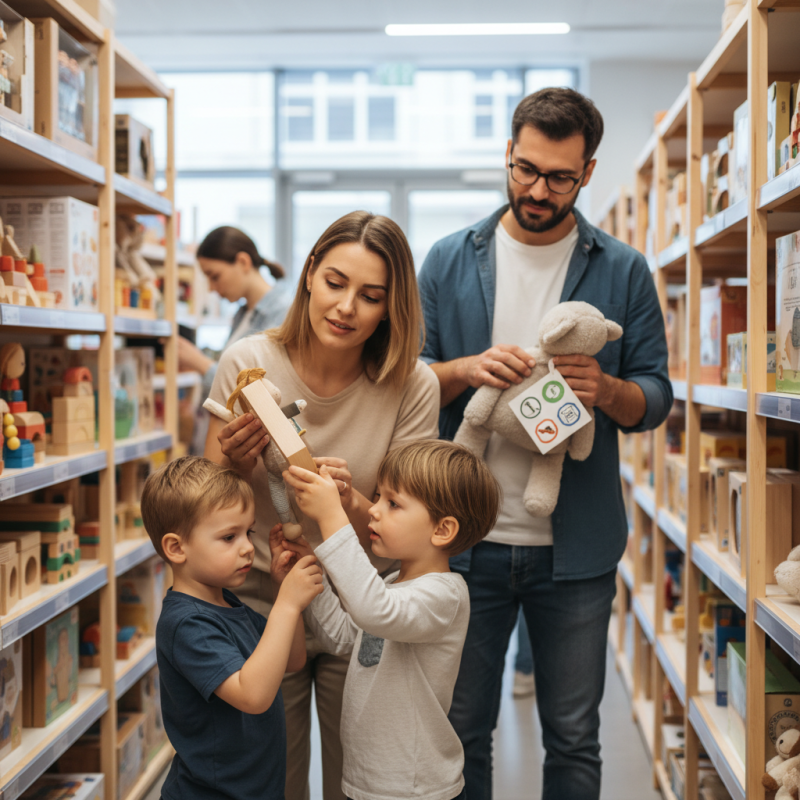
When choosing toys for children, several criteria come into play. Material quality is crucial. Look for non-toxic substances like wood or BPA-free plastics. A toy made from durable materials can withstand rough play. Avoid items that have sharp edges or small parts that could pose choking hazards.
Design is another important factor. A well-designed toy encourages creativity and imagination. Check for stability in construction. Toys should not tip over easily. Colors and finishes should also be safe and non-toxic. Sometimes, a bright color may be attractive but could indicate harmful chemicals.
Lastly, age appropriateness matters significantly. A toy for older children may not be safe for toddlers. Read labels carefully. They often provide age guidelines. Seek toys that challenge but are still suitable for your child’s developmental stage. It’s essential to align toys with a child’s abilities. The right toy fosters learning and enjoyment.
When selecting toys for children, understanding material safety standards is crucial. According to the U.S. Consumer Product Safety Commission (CPSC), toys should meet specific safety regulations to ensure they are non-toxic and safe for play. In 2020, over 100 toy recalls were issued due to hazardous materials. Such statistics highlight the importance of being vigilant about the materials used in toys.
Common materials include plastic, wood, and fabric. High-quality toys often utilize BPA-free plastics, which eliminate potential health risks. Wood should be sourced from sustainable forests and free from harmful finishes. The American Society for Testing and Materials (ASTM) sets the standards for toy safety. They recommend toys should undergo rigorous testing for choking hazards and chemical exposure.
Despite these regulations, not all manufacturers adhere to them. Reading labels and certifications can sometimes be misleading. A toy might pass initial testing but still pose risks after extensive use. Parents should actively seek information on safety standards. The potential gap between regulations and real-world safety can be concerning. By prioritizing thorough research, caregivers can better ensure the toys are indeed safe and high-quality.
When evaluating toys for children, age appropriateness is crucial. Each toy should match the developmental stage of the child. For babies, soft, plush toys are safe. These promote sensory exploration without choking hazards. As children grow, they need toys that challenge their imagination and fine motor skills. Consider puzzles or building blocks that are suitable for their age.
Design features matter, too. A well-designed toy should have smooth edges and be made from non-toxic materials. Inspect for small parts that could pose choking risks for younger kids. Bright colors can stimulate engagement, while interactive features support learning. Yet, balancing complexity is essential. A toy that is too simplistic may not hold interest, while overly complex designs may frustrate a child.
Reflect on the package instructions and safety standards. Often, these are overlooked. It's wise to research and understand the safety certifications listed. Parents sometimes focus solely on the fun factor. However, combining fun with safety and educational value can enhance a child's growth. Engaging in these evaluations can lead to more thoughtful purchasing decisions.
When selecting toys for children, safety is paramount. One of the best ways to ensure a toy's safety is to look for non-toxic labels. These labels indicate that the materials used do not contain harmful chemicals. Common indicators include terms like "BPA-free" and "phthalate-free." Choosing toys that display these labels can significantly reduce health risks.
Safety certifications also play a crucial role in evaluating toy quality. Trusted organizations provide certifications after rigorous testing. Look for marks from these entities on packaging. These certifications confirm that the toy has met specific safety standards. However, not all toys are certified, raising concerns about unregulated products.
This gap in certifications can be confusing for parents. Parents should remain vigilant. Some toys may advertise non-toxic labels but still pose risks. It's essential to research the manufacturer’s reputation. Checking reviews and seeking expert opinions can guide safer options. Balancing affordability and safety can be challenging.
Sometimes, a higher price tag correlates with better quality, but this isn't always the case. Trusting your instincts and conducting thorough research will lead to better choices for your child's playtime.
When evaluating a toy for safety and durability, pay attention to its construction. Look for solid materials, like thick plastics or sturdy woods. A high-quality toy should have no sharp edges or fragile parts. Toys that can’t withstand rough handling are not ideal for kids. A well-made item often feels heavier, suggesting better materials.
Inspect the manufacturing practices behind the toy. Understanding the origin can reveal much about its quality. Toys made in countries with strict safety regulations tend to be more reliable. Look for certifications or safety marks. Yet, not every manufacturer proudly displays these. This inconsistency can lead to choices that may compromise safety.
Sometimes, it's easy to be tempted by bright colors or modern designs. However, flashy features can hide shortcomings in quality. Not all attractive toys are safe. Consider the design simplicity; intricate parts can break easily. Think about the toy’s lifespan. Will it last? A toy that needs frequent replacements may not be cost-effective, even if it initially seems appealing.
: Choose toys made from non-toxic materials like wood or BPA-free plastics. These materials are safer for children.
Check for smooth edges and stability. A good toy shouldn't tip easily, ensuring safety during play.
Toys must match a child's developmental stage. A toy for older kids might not be safe for toddlers.
Toys should follow specific safety regulations. The CPSC sets standards to ensure toys are non-toxic and safe.
No, labels can be misleading. Some toys pass initial tests but may still pose risks over time.
Look for interactive features, bright colors, and a balance between complexity and engagement for the child's interest.
Regularly check the toy for wear and tear. An aged toy might not meet original safety standards.
Avoid toys with small parts for younger children. These present choking hazards, which can be dangerous.
Being aware of recalls is essential. In 2020, there were over 100 recalls due to hazardous materials.
Conduct thorough research about materials and safety certifications. Prioritize toys that combine fun and educational value.
When considering how to tell if a toy is good quality and safe for children, several key criteria should be evaluated. First, it's essential to understand material safety standards, which ensure that toys are made from non-toxic substances and are free from harmful chemicals. Additionally, examining age appropriateness and design features plays a crucial role, as toys should be suitable for the developmental stage of the child to promote both safety and engagement.
Moreover, checking for non-toxic labels and safety certifications provides peace of mind regarding a toy's safety. Finally, identifying durable construction and quality manufacturing practices can reveal a toy's longevity and reliability. By considering these factors, parents can make informed decisions about which toys will not only bring joy to their children but also ensure their well-being.
