Trues Toys Trues Toys

2026 How to Clean Toys Regularly for Health and Safety?

Time:2026-07-04 Author:Amelia
0%

Cleaning toys is essential for the health and safety of children. Toys get dirty quickly. They come into contact with various surfaces and hands. These factors lead to the accumulation of germs. Why do toys need regular cleaning? The answer lies in the potential health risks for children.

Germs and allergens can thrive on toys, especially those frequently handled. These can cause illnesses and allergic reactions. Regular cleaning reduces these risks significantly. Parents should create a cleaning routine. This involves washing toys with appropriate methods and materials. For instance, using soap and water can be effective for hard surfaces. Soft toys may require machine washing or spot cleaning.

It's crucial to pay attention to details. Some toys have hard-to-reach areas that can trap dirt and germs. Ensuring every part of the toy is clean can feel overwhelming. However, maintaining a clean environment is vital for kids’ safety. This approach emphasizes both cleanliness and care.
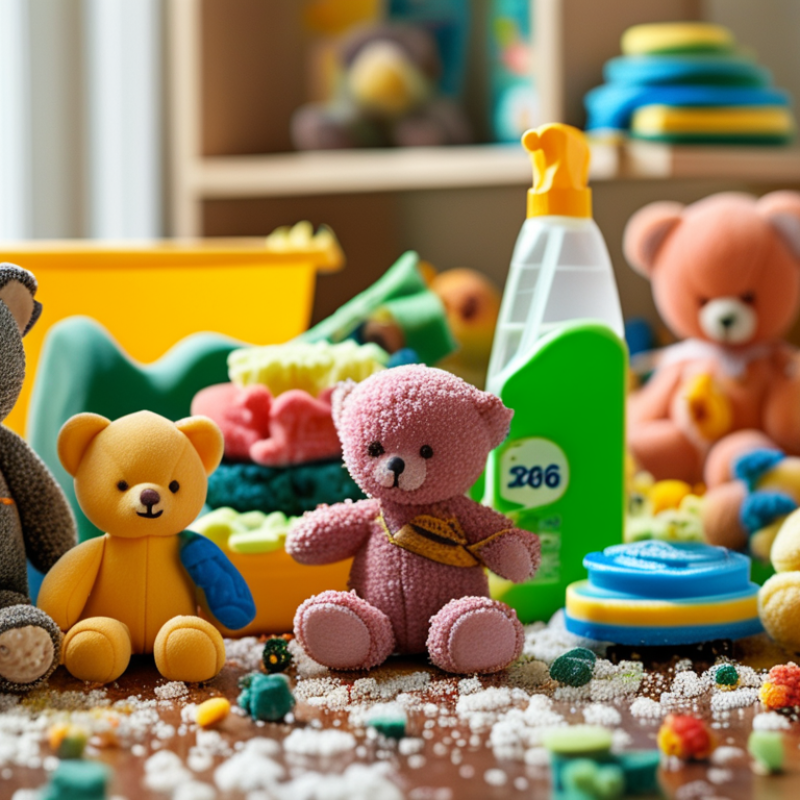
2026 How to Clean Toys Regularly for Health and Safety?

Understanding the Importance of Regular Toy Cleaning for Kids' Health

Regular toy cleaning is essential for ensuring children’s health and safety. Toys are often breeding grounds for germs and dirt. Kids touch toys, put them in their mouths, and share them with friends. This increases the risk of infections and illnesses. Cleaning toys helps eliminate harmful bacteria.

Parents might overlook the need for consistency in cleaning routines. Daily play can lead to significant buildup of grime. A simple wipe-down may not suffice. A thorough wash every week or two is recommended, especially for toys that are frequently used. Remember to consider the materials of the toys. Some can be safely washed in warm soapy water, while others may need a gentle touch with a damp cloth.

It's easy to forget the less visible areas. Dust and allergens collect in hidden spots. Regular cleaning will help lower these risks. Being mindful of this process can create a healthier play environment. Even the busiest parents can create a simple schedule. Setting reminders can make a big difference. Consistency is key. Adopting these practices ensures children's safety and well-being during playtime.

Identifying Different Types of Toys and Their Cleaning Requirements

When it comes to cleaning toys, understanding their materials is essential. Soft toys, for example, often harbor dust mites and allergens. A study from the American Academy of Pediatrics highlights that 72% of plush toys have harmful bacteria. It is recommended to wash these toys on a gentle cycle and air dry them. Always check labels for washing instructions to avoid damage.

Plastic toys, like building blocks, require a different approach. A report from the Consumer Product Safety Commission reveals that over one-third of children’s plastic toys contain unsafe levels of phthalates. Cleaning them involves using warm soapy water or disinfectant wipes. Remember to rinse thoroughly.

Finally, electronic toys, while popular, can be tricky. They may trap germs in inaccessible parts. The EPA stresses that the surface of these devices should be cleaned with alcohol-based wipes. However, ensure that these wipes are safe for electronics to avoid damage. Regular cleaning of different types of toys is crucial for health and safety. Engaging with diverse cleaning methods ensures a safer play environment.

2026 How to Clean Toys Regularly for Health and Safety

Step-by-Step Guide to Cleaning Soft Toys Safely

Cleaning soft toys is essential for health and safety, especially for young children. They can harbor dust, allergens, and bacteria. Regular cleaning helps reduce these risks. You can start by checking the care labels on the toys to know how to clean them properly. Many soft toys can be machine-washed, while some may need hand cleaning.

For machine-washable toys, use a gentle cycle with cold water. Place them in a laundry bag to protect them during the wash. After washing, air-dry them instead of using a dryer. If hand cleaning is necessary, use a mild soap and a damp cloth. Gently spot-clean any stained areas. Rinse with a clean cloth to remove soap residue. Sometimes toys may need a little more care to look good again.

Keep in mind that not all stains will come out easily. Some toys may retain memories of playtime, which can be charming but also challenging. Reflect on the cleaning process. Did you use the right method? Were the results satisfactory? Regular maintenance is vital. While soft toys can be cleaned in different ways, finding what works best for each one might take time.

Best Practices for Cleaning Plastic and Wooden Toys Effectively

Cleaning toys is essential for maintaining a safe environment for children. Regularly sanitizing plastic and wooden toys helps reduce the spread of germs. According to a study by the American Journal of Infection Control, toys are a significant source of bacterial contamination, harboring up to 200 times more bacteria than a toilet seat. Investing time in proper cleaning can protect children's health.

For plastic toys, use a mixture of water and mild soap. Scrub surfaces with a soft brush to dislodge dirt. Rinse thoroughly and air dry. Disinfect often, especially after illness in your home. A solution of one part vinegar to three parts water serves as an effective, non-toxic disinfectant.

Wooden toys should be treated with care. Avoid soaking them in water, which can warp the wood. Instead, use a damp cloth dipped in the soap-water solution for cleaning. Wipe with a dry cloth to prevent moisture damage. Remember to test any cleaning solution on a small area first.

Tips for cleaning:
- Establish a cleaning routine.
- Involve your child in the process.
- Regularly inspect toys for wear and tear.

Establishing a Regular Toy Cleaning Schedule for Families

Establishing a regular toy cleaning schedule is essential for maintaining a safe environment for children. Every parent knows that toys can accumulate dirt, germs, and allergens. Setting aside specific days for cleaning can help manage this task effectively. A practical approach is to choose a day of the week, perhaps Saturday, dedicated to this chore. This keeps it consistent and ensures that cleaning does not become overwhelming.

Involve the whole family in the process. Parents should encourage children to help with sorting toys. This not only promotes responsibility but also makes the cleaning process engaging. A simple checklist for toy types can be useful. For instance, plush toys might require a gentle wash, while plastic ones can be soaked in soapy water. Make sure to inspect each toy for wear and tear. Outgrown or broken toys should be removed to avoid safety hazards.

Reflection is crucial. After cleaning, take a moment to assess the effectiveness of your schedule. Are toys still getting dirty too quickly? Perhaps the cleaning frequency needs adjustment. Keep in mind that cleaning needs vary across seasons. By staying flexible, families can adapt their schedules to meet their specific needs, ensuring a healthier play environment.

2026 How to Clean Toys Regularly for Health and Safety? - Establishing a Regular Toy Cleaning Schedule for Families

Toy Type Cleaning Frequency Preferred Cleaning Method Notes
Plush Toys Every 1-2 weeks Machine wash or hand wash Check for washing instructions
Plastic Toys Weekly Soap and water or disinfectant wipes Avoid harsh chemicals
Electronic Toys Monthly Wipe with damp cloth Remove batteries before cleaning
Outdoor Toys After each use Hose down and air dry Ensure no water remains
Board Games Monthly Wipe surfaces with disinfectant Store in a dry area

FAQS

: How often should toys be cleaned?

: Set a specific day each week for cleaning, like Saturday.

What is the best way to clean soft toys?

Wash soft toys on a gentle cycle and air dry.

Can plastic toys be cleaned with any type of soap?

Use warm soapy water or disinfectant wipes, then rinse thoroughly.

How can families involve children in cleaning?

Encourage children to help sort toys. This builds responsibility.

What should be checked during toy cleaning?

Inspect toys for wear and tear. Remove broken or outgrown toys.

How do I clean electronic toys safely?

Use alcohol-based wipes, but ensure they are safe for electronics.

What if toys need cleaning more often than expected?

Reflect on your schedule. Adjust the cleaning frequency if necessary.

Why is understanding materials important when cleaning toys?

Different materials have unique cleaning needs and bacteria risks.

How can cleaning schedules vary throughout the year?

Consider seasonal play patterns. Adjust cleaning frequency as needed.

Conclusion

Regular cleaning of toys is essential for maintaining children's health and safety. As kids play, toys can accumulate dirt, germs, and allergens, making it crucial to understand why do toys need regular cleaning. Different types of toys, such as soft toys, plastic, and wooden ones, have varying cleaning requirements that must be adhered to in order to ensure proper hygiene.

To effectively clean toys, families can follow a step-by-step guide specifically for soft toys and utilize best practices for hard materials like plastic and wood. Establishing a regular cleaning schedule not only promotes a healthier play environment but also instills good hygiene habits in children. By prioritizing toy cleanliness, parents can ensure a safer play experience for their kids.

Amelia

Amelia

Amelia is a seasoned marketing professional with a wealth of expertise in our company’s core offerings. With an unwavering passion for driving growth and innovation, she plays a pivotal role in shaping our marketing strategies and enhancing brand visibility. A key aspect of her responsibilities......