Trues Toys
When it comes to bath time, Floating Bath Toys provide both entertainment and safety for children. According to a 2021 report by the American Academy of Pediatrics, nearly 64% of parents reported that bath toys significantly improve their child's enjoyment of bath time. These toys not only engage children but also help develop their motor skills. However, not all Floating Bath Toys are created equally.
Quality assurance is crucial. A 2020 industry study revealed that over 30% of bath toys tested contained harmful chemicals. Parents should be aware of these risks. Look for toys that are phthalate-free and made from non-toxic materials. Inspecting toys regularly is also necessary to ensure they remain safe and hygienic.
While Floating Bath Toys can enhance the bathing experience, they also require parental oversight. Supervision is key, as even safe toys can pose risks when left unattended. Reflecting on the joy these toys bring versus potential hazards will lead to better choices. Safety should always be a priority, making it essential to select well-reviewed and tested products.
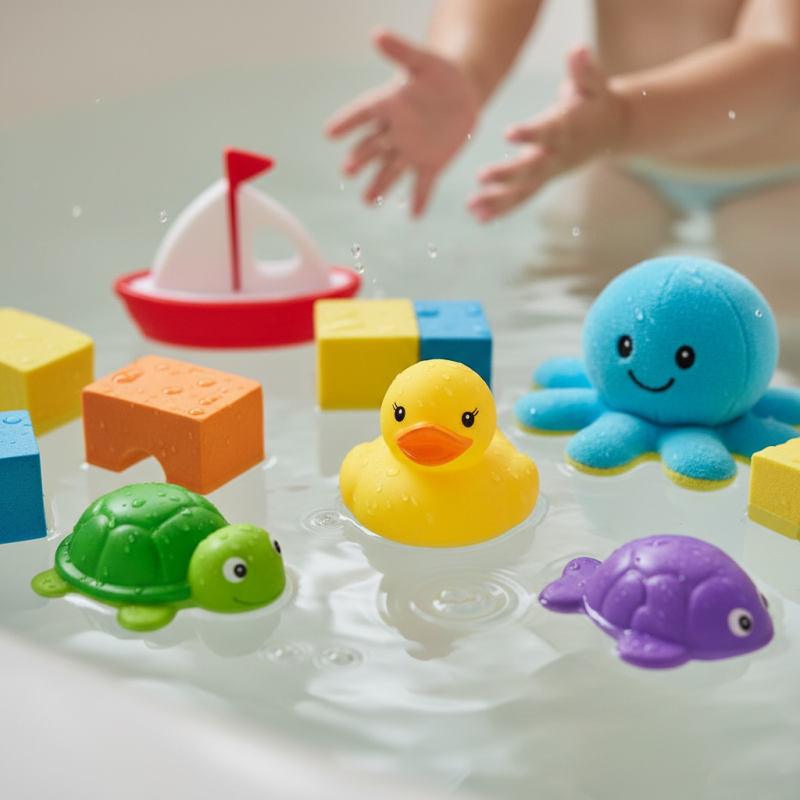
When selecting floating bath toys, safety is paramount. Look for toys made from non-toxic materials. Many reports indicate that PVC and phthalate-free toys reduce the risk of harmful chemicals. Check for small parts that could pose choking hazards. Opt for larger, easily graspable designs for smaller hands.
Durability is another important feature. Bath toys face constant exposure to water. They should withstand frequent use without degrading. Research shows that toys with sturdy structures last longer and provide more value. Consider toys that can be easily cleaned. Mold and mildew can grow in damp areas, which is concerning for parents.
Tips: Encourage kids to treat toys gently. Teach them the importance of proper storage after bath time. Regularly inspect toys for wear and tear. Discard any that show signs of damage. This simple act ensures a safer play experience, fostering better habits.
When it comes to bath time, kids love floating toys. They bring excitement and joy. There are several types available to choose from. Each type offers different ways to engage children.
Animal-shaped floating toys are quite popular. They may look like ducks, frogs, or whales. Kids love to splash them around. These toys can spark imagination during bath time. Another option includes bath boats. Children can race them across the water. Some boats can even hold little figurines, enhancing the experience.
Soft sponge toys are another choice. They soak up water yet dry quickly. They are easy to grip. These toys can be thrown or squished, providing fun activities for kids. Parents should ensure toys are safe and non-toxic. Regularly checking for wear and tear is important, too. Floating bath toys can be safe, enjoyable, and colorful additions to bath time.
When using floating bath toys, safety should always be the priority. Parents should supervise children constantly while they play. Even the simplest toy can become a hazard if left unsupervised. Small parts can be a choking risk. Additionally, ensure toys are free from any sharp edges. Checking for wear and tear will prevent accidents.
It’s essential to choose non-toxic materials. Many toys are made from safe rubber or plastic, but it’s wise to read labels. Keep toys clean to avoid mold buildup. Rinse them after each use, even in the bath. Leaving toys in water can lead to slippery spots. Children can easily slip and fall.
Encourage children to play safely with their toys. Teach them to stay seated. Arms and legs can easily slip over the side. Sometimes, kids may get too excited and forget. Remind them to take breaks from time to time. Learning to play safely can help build a lifelong habit. Bath time should be a time for fun and safety.
When it comes to floating bath toys, cleanliness is key. Studies show that 70% of bath toys can harbor bacteria and mold, leading to potential health risks for children. Regular cleaning is essential. A simple method is soaking the toys in a mixture of water and vinegar for 15 minutes. This can help eliminate germs effectively. After soaking, rinse them thoroughly to remove any residual vinegar.
Proper storage also plays a crucial role. Toys should not be left standing in water. Allow them to dry completely between baths. Many parents overlook this step, which can contribute to mold growth. Additionally, check the toys regularly for any signs of wear, such as cracks or damage. If a toy shows signs of deterioration, it may be time to replace it. Remember, maintaining a clean and safe play environment is vital for your child’s health.
When selecting floating bath toys, age appropriateness is critical. For infants, toys should be lightweight and soft. Consider rubber ducks or sponge toys, which are easy to grasp. According to a report by the American Academy of Pediatrics, 70% of drowning incidents occur in home settings. Hence, choosing safe toys is vital. Not only do they enhance playtime, but they also encourage water familiarity from a young age.
Toddlers enjoy interactive toys. Bath books or squirt toys keep them engaged. Research indicates that interactive play enhances motor skills and cognitive development. However, some toys can be difficult to clean and may harbor bacteria. This makes regular maintenance essential. Paying attention to toy safety irritations, like choking hazards, is important.
For older children, consider educational toys that mix fun and learning. Floating globes or water games are popular. A study by the Journal of Child Psychology shows that engaging with educational toys fosters curiosity. However, not every toy made for older kids is appropriate for all. Always assess the child's maturity and readiness for different types of play. Balancing fun with safety is essential to promote a positive bath experience.
: Choose toys made from non-toxic materials, like safe rubber or plastic, to ensure safety.
Opt for sturdy toys that can withstand frequent use in water without degrading.
Rinse toys after each use and avoid leaving them in water to reduce mold buildup.
Parents should supervise children closely as even safe toys can become hazards when unsupervised.
Yes, small parts can pose choking hazards for younger children, so always check for them.
Regularly check toys for signs of wear and tear and discard any that are damaged.
Yes, slippery spots can form if toys are not dried properly, leading to falls.
Encourage them to stay seated and take breaks during playtime to avoid accidents.
Teach kids to store toys properly to keep them clean and safe for next use.
No, always supervise children to prevent accidents and ensure a safe play environment.
When selecting floating bath toys for children, it is essential to consider several key features such as safety, material quality, and age appropriateness. Various types of floating bath toys are available, ranging from simple rubber ducks to interactive playsets that encourage imaginative play. Safety tips, including regular supervision and ensuring toys are free from sharp edges, are crucial for a safe bathing experience.
Maintaining and cleaning floating bath toys is also important to ensure hygiene; rinsing them after each use and allowing them to dry can prevent mold growth. Overall, choosing the right floating bath toys involves balancing fun and safety while tailoring selections to different age groups, ultimately enhancing the enjoyment of bath time activities.