Trues Toys Trues Toys

How to Efficiently Reduce Toy Clutter at Home?

Time:2026-06-10 Author:Charlotte
0%

How to reduce toy clutter at home is a common challenge for many families. Over time, toys can accumulate, creating chaos in living spaces. This clutter often leads to stress and can hinder playtime joy. It's overwhelming to manage the sheer volume of toys, especially when children have different interests.

Addressing this issue requires practical strategies. Begin by evaluating which toys are used regularly. Identify those that bring genuine joy and serve a purpose. Set aside items that are damaged or no longer of interest. Donating these toys can teach children about sharing and giving back.

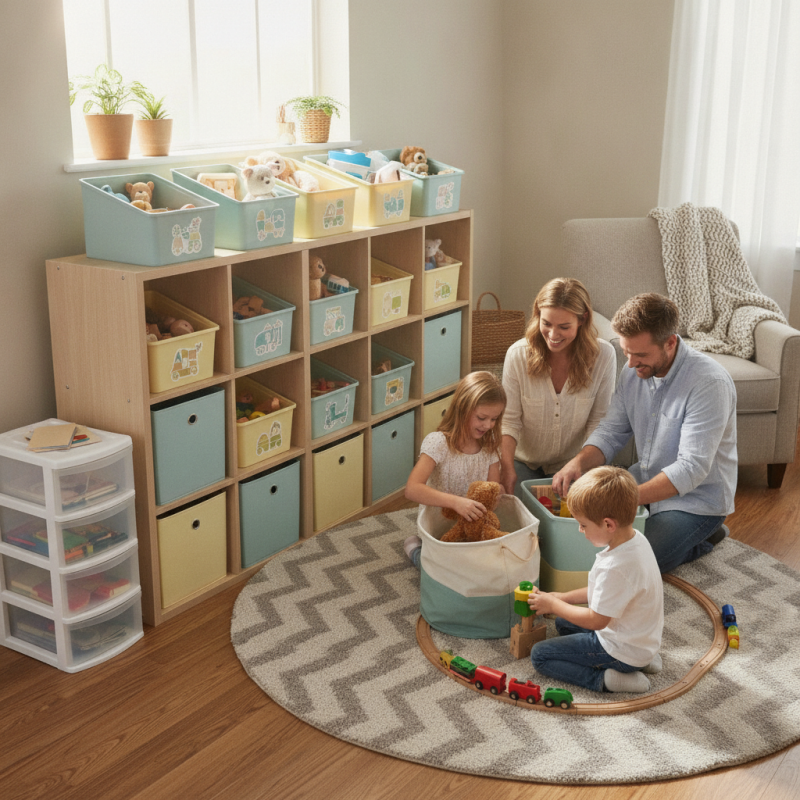
Creating designated play areas can also help maintain order. Storage solutions like bins and shelves can organize toys effectively. Regularly involving children in the decluttering process promotes responsibility. Embrace imperfection in this journey, as it is a gradual process. Finding balance and harmony in your home takes time, but the benefits are worth it.
How to Efficiently Reduce Toy Clutter at Home?

Identifying and Categorizing Existing Toy Clutter in Your Home

Toy clutter can easily take over your home. To tackle it effectively, start by identifying the toys scattered around your space. Look in every room—living areas, bedrooms, and playrooms. Check under the couch and behind furniture. You might find items you didn’t even remember having. It’s a moment for reflection: are these toys truly enjoyed, or are they just occupying space?

Categorize the toys into groups. Sort them by type, age, or condition. Are there broken toys? Maybe outdated ones? Consider creating a “keep,” “donate,” and “discard” system. This method allows you to see how much clutter exists. Engaging your children in this process can also provide insight. They might surprise you with what they are attached to or willing to let go.

Take a good look at each category. Does the collection serve a purpose? Are there multiples of similar toys? This reflection helps in making informed decisions. It’s normal to feel overwhelmed at first. Acknowledge it. Embrace the process of simplifying your toy inventory. Each small step can lead to a more organized and enjoyable space.

Setting Clear Criteria for Keeping or Discarding Toys

When faced with toy clutter, setting clear criteria for deciding which toys to keep or discard can significantly help. Start by identifying the toys that your child genuinely enjoys. Observe which toys they play with regularly. These often hold the most value. Consider how many toys are truly necessary. Too many choices can overwhelm children, affecting their play experience.

Next, evaluate the condition of the toys. Are they broken or missing pieces? Tossing damaged toys is a straightforward decision. Keep toys that have sentimental value, but do so sparingly. A few cherished items can hold memories without overwhelming the space. Discuss with your child about the toys they are willing to part with. This encourages them to think critically about their possessions.

Reflect on your own attachment to certain toys. It can be challenging to let go. Perhaps that stuffed animal reminds you of their early years. Recognize that some clutter is tied to emotions. Using a checklist can be helpful. Include categories like frequency of use, condition, and emotional attachment. Aim for a balance that maintains joy while promoting an organized home. Making space can create room for new memories.

How to Efficiently Reduce Toy Clutter at Home?

Implementing an Organized Storage System for Remaining Toys

Creating an organized storage system for toys can significantly reduce clutter in your home. Start by categorizing toys into groups: action figures, puzzles, and building blocks. This will help you visualize the space needed for each category. Use clear bins or boxes that allow easy identification of contents. Label each container clearly. This simple step saves time during clean-up.


Consider utilizing vertical space. Wall-mounted shelves can hold lightweight toys. Hooks are great for larger stuffed animals. Be creative with storage solutions. Under-bed storage can be useful for toys that are not frequently used. This approach maximizes space and keeps the play area tidy.


Reflect on your child's interests. If certain toys are rarely played with, consider donating them. It's okay to let go. Teaching children the value of sharing is important. An organized system not only tidies the space but also encourages play and creativity. Celebrate the process of decluttering. Each small change can lead to a more peaceful home environment.

Involving Children in the Decluttering Process

Involving children in the decluttering process can significantly ease the burden of toy clutter at home. According to a 2022 study by the American Academy of Pediatrics, 30% of parents reported feeling overwhelmed by their children's toys. Engaging kids in the process not only teaches them about responsibility but also fosters decision-making skills. Kids as young as three can participate by sorting toys into keep, donate, or discard categories.

Tips for involving children:
1. Make it a game. Use timers and rewards to add excitement and encourage quick decision-making.
2. Set limits. Provide a specific number of toys to keep. This creates a focused environment for decluttering.

While involving children can lead to sibling disputes or reluctance, it's essential to remain patient and flexible. Set realistic expectations. Children might struggle with parting from beloved toys. Acknowledge their feelings and gently guide them to consider what they truly value.

Tips for empathetic decluttering:
1. Allow children to express their attachment to items. Validate their emotions before discussing what to let go.
2. Create a memory box. Keep a select few sentimental items for future reminiscing, helping children understand the meaning of space.

This collaborative approach not only keeps toy clutter in check but also strengthens family bonds.

How to Efficiently Reduce Toy Clutter at Home? - Involving Children in the Decluttering Process

Toy Category Number of Toys Importance Level (1-5) Child's Engagement (Yes/No) Decluttering Action
Building Blocks 15 4 Yes Keep and Organize
Stuffed Animals 20 3 No Donate
Puzzles 10 5 Yes Keep and Sort
Board Games 8 4 Yes Keep and Play
Action Figures 12 2 No Sell

Establishing a Regular Toy Review and Maintenance Routine

Establishing a regular toy review and maintenance routine can significantly reduce clutter at home. According to a 2022 report from the Toy Industry Association, families often underestimate the number of toys they own, averaging around 150 toys per child. Regularly reviewing these toys helps parents understand what their children actually use. By tracking the frequency of use, families can make informed decisions about which toys to keep, discard, or donate.

Consider setting a specific schedule for toy reviews. For example, do this every three months. During these reviews, involve your children in the process. This teaches them the importance of decluttering. It also makes them aware of the value of their belongings. Research shows that children thrive in organized spaces; a 2021 study indicated that clutter can lead to heightened stress for kids. Engaging in a toy review can alleviate this stress, fostering a calmer environment.

While a structured routine is essential, it’s also vital to remain flexible. Not every toy will be easily categorized as “kept” or “discarded.” Some toys may hold sentimental value, complicating the decision. Accepting that not everything can be efficiently categorized is part of the process. Keep an open dialogue with your children about their attachment to certain toys. This reflection can guide your maintenance routine and improve future toy management.

FAQS

: How can I start identifying toy clutter in my home?

: Begin by checking every room, including under furniture. Look for forgotten toys that occupy space.

What categories should I use to sort toys?

Sort toys by type, age, or condition. Create groups for keeping, donating, and discarding toys.

How can I involve my children in decluttering?

Engage them in the sorting process. Their input may surprise you about what they want to keep.

What should I consider when deciding to keep or discard toys?

Look at the play frequency, condition, and emotional value. Not all toys need to be kept.

Why is it important to limit the number of toys?

Too many toys can overwhelm children, reducing their enjoyment and play effectiveness.

How do I handle toys that have sentimental value?

Keep only a few cherished items. Too many sentimental toys can lead to clutter and confusion.

What steps can I take if I feel overwhelmed by toy clutter?

Acknowledge the feeling and simplify. Focus on one small step at a time toward organization.

How can I evaluate the purpose of each toy category?

Reflect on whether the collection is useful and if there are duplicates that can be eliminated.

What checklist can help in the decluttering process?

Include factors like frequency of use, condition, and emotional attachments to guide your decisions.

What might make it hard to let go of certain toys?

Emotional ties often complicate the process, especially if the toys hold memories of early years.

Conclusion

Reducing toy clutter at home can be a manageable task with a systematic approach. First, it’s important to identify and categorize the existing toys to understand what you have. Setting clear criteria for deciding which toys to keep or discard is essential in this process. Once you’ve streamlined the selection, implementing an organized storage system will help maintain order and make future playtime enjoyable.

Involving children in the decluttering process not only teaches them the value of organization but also helps them develop decision-making skills regarding their belongings. Finally, establishing a regular toy review and maintenance routine ensures that toy clutter remains under control, allowing your home to stay organized. By following these steps, you can effectively learn how to reduce toy clutter at home, creating a more peaceful and enjoyable living space.

Charlotte

Charlotte

Charlotte is a seasoned marketing professional with a deep understanding of the company's portfolio and a passion for elevating its presence in the market. With a keen eye for detail and a commitment to excellence, she ensures that our professional blog is regularly updated with insightful articles......