 Trues Toys
Trues Toys
Trues Toys
In 2026, keeping kids' toys clean is more crucial than ever. With the ongoing emphasis on health and hygiene, parents are seeking effective methods for cleaning. According to Dr. Emily Carter, a specialist in child health and hygiene, "Cleaning toys properly can reduce germs and keep children safe." This highlights the importance of knowing how to clean kids’ toys properly.
Many parents overlook the cleaning process, believing that a quick wipe is enough. However, toys can harbor bacteria and allergens that may affect children’s health. Using the right cleaning solutions and techniques can make a notable difference. For instance, certain materials may require gentle handling while others may withstand harsher cleaning agents.
Moreover, some cleaning methods can be time-consuming or confusing. It’s essential to educate oneself about the safest and most effective practices. By understanding how to clean kids’ toys properly, parents can ensure a safer play environment for their children. This process can seem daunting at times, but with the right knowledge, it can become a manageable routine.
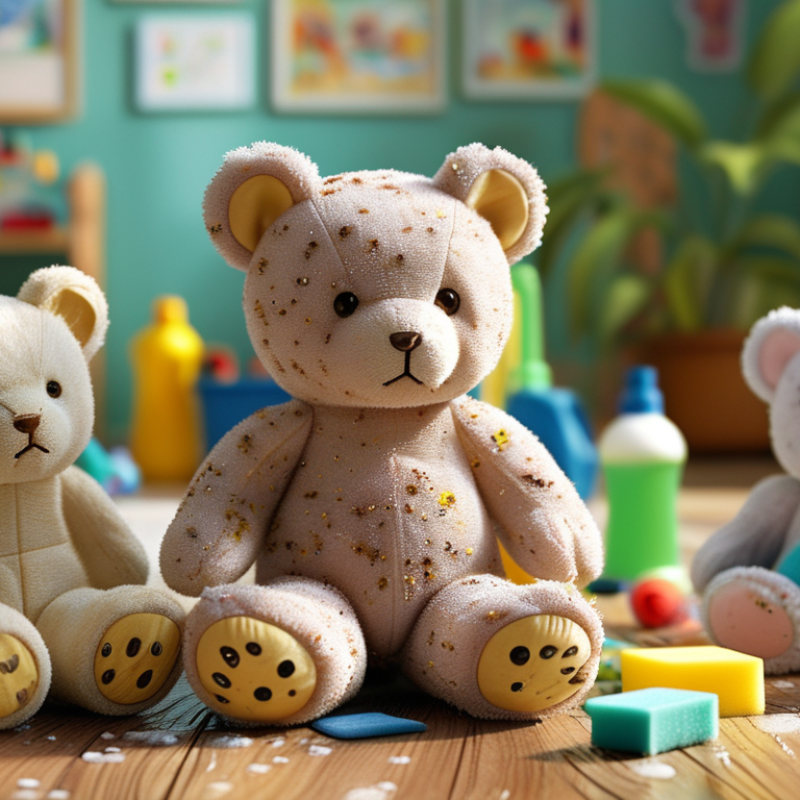
In 2026, the importance of cleaning kids' toys cannot be overstated. Toys often harbor germs and allergens. Regular cleaning not only protects children's health but also promotes safe play. Many parents may underestimate how quickly dirt accumulates. Toys can collect dust, food particles, and drool. All these can trigger allergies or infections.
Cleaning methods have evolved. Many parents seek effective yet safe products. Using simple soap and water can be reliable. It’s crucial to focus on high-touch areas. Children often place toys in their mouths, spreading germs. Additionally, rotating toys and regularly washing them helps in reducing mess.
There are moments when parents overlook the necessity of routine cleaning. Life gets busy, and toys may pile up. This negligence can become a breeding ground for bacteria. Reflecting on these habits matters. Maintaining cleanliness fosters a healthier environment. Keeping kids' play areas clean enhances their safety and well-being. Each small effort counts significantly over time.
| Toy Type | Cleaning Method | Frequency of Cleaning | Importance |
|---|---|---|---|
| Plastic Toys | Warm soapy water or dishwasher | Weekly | Prevents germ buildup |
| Soft Toys | Machine wash or steam clean | Monthly | Removes allergens |
| Wooden Toys | Damp cloth with vinegar solution | Bi-weekly | Maintains finish and hygiene |
| Bath Toys | Bleach solution or vinegar | Every few weeks | Prevents mold and mildew |
| Rubber Toys | Boiling water for disinfecting | Every month | Eliminates bacteria |
: Cleaning toys helps reduce germs and allergens. It promotes safe play and protects children's health.
A weekly cleaning routine is recommended. Daily exposure means daily germs, so regular cleaning is vital.
Soap and water are reliable. Non-toxic disinfectants and natural options like vinegar work well too.
Not all toys are machine washable. Always check care labels before using a washing machine.
Make cleaning fun by categorizing toys and having them help out. It teaches responsibility.
Microfiber cloths trap dirt effectively. Toothbrushes can reach small crevices. They are practical choices.
Yes, choose non-toxic and hypoallergenic cleaners. This minimizes the risk of skin reactions or irritations.
Regularly clean neglected toys. Use disinfecting spray and ensure they dry completely before giving them back.
Reflect on your cleaning practices. Adjust methods based on your child's age and activity level for better safety.
Inspect toys regularly for small parts that can be choking hazards, especially for younger children.
In 2026, understanding the significance of cleaning kids' toys is more critical than ever, as hygiene plays a vital role in children's health and safety. To answer the question of how to clean kids’ toys properly, it is essential to select the right cleaning supplies and tools tailored to various toy materials. From soft plush toys to hard plastic ones, a step-by-step guide can help parents navigate the deep cleaning process effectively.
In addition to the cleaning process, safe and effective disinfecting methods should be employed to eliminate germs without compromising children's health. Establishing a regular toy cleaning schedule not only promotes cleanliness but also instills good hygiene habits in children. By following these guidelines, parents can ensure a safe and healthy play environment for their kids, effectively tackling the challenge of toy maintenance in 2026.
