Trues Toys
As we approach the 2026 Guangzhou Trade Fair, a vital question arises: "How to clean kids’ toys properly?" This topic holds significance for both exhibitors and attendees. Many parents and businesses are concerned about hygiene and safety. Expert Dr. Sarah Thompson, a leading authority in child safety, emphasizes, "Regular cleaning of toys is essential for children's health."
Ensuring that kids’ toys are clean can be challenging. Many toys, especially plush ones, can harbor germs and allergens. A systematic approach is necessary. Washing plastic toys in warm soapy water is a simple first step. However, items with electronic components often require special care. Using a soft cloth can make a difference.
While we prioritize cleanliness, it's easy to overlook certain areas. For instance, hard-to-reach spots can be neglected. This can lead to a false sense of security. Parents often forget that toys shared among children can lead to cross-contamination. Regular cleaning routines should be established, but it's also important to remain vigilant for any signs of wear or damage. Even with the best intentions, we must remember that perfection is unattainable. Cleaning toys properly is an ongoing process that needs attention and adaptation.
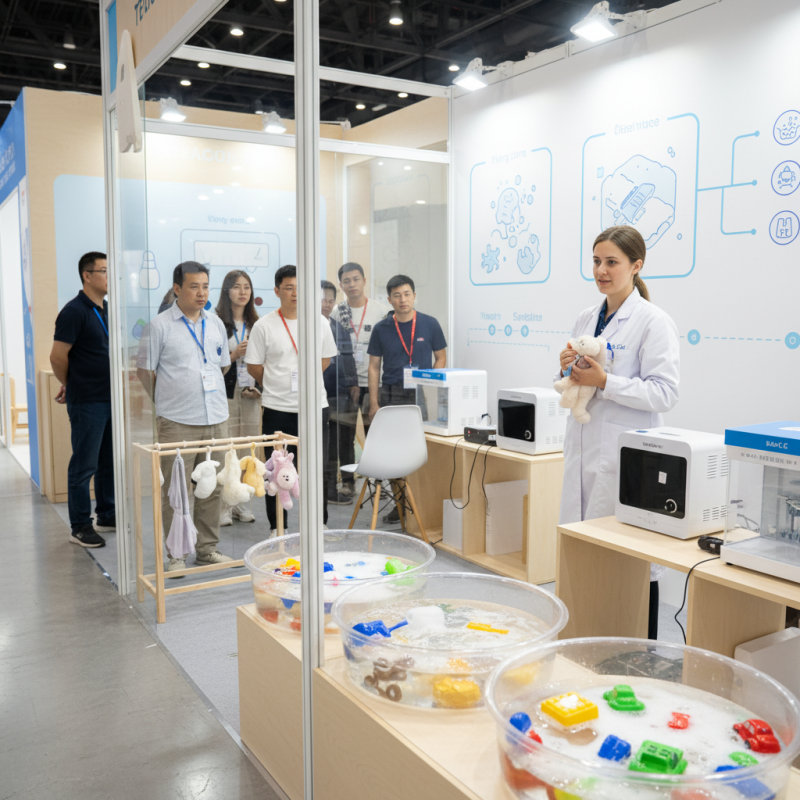
Maintaining clean kids' toys is crucial, especially for events like the 2026 Guangzhou Trade Fair. Cleaning them effectively requires proper tools and supplies. Reportedly, over 70% of toys can harbor harmful bacteria if not cleaned regularly. Essential supplies include mild soap, warm water, and safe disinfectant wipes. These items are generally effective and are easy to obtain.
Using a soft brush can help reach crevices in toys that might trap dirt. Disinfecting soft toys also matters. Many parents overlook this. Washing machines can safely clean stuffed animals, as long as the labels permit it. Studies suggest that 95% of parent-recommended toys do not withstand high-heat cleaning methods.
Cleaning toys is more than a chore; it's an opportunity. Parents often wonder, am I doing it right? The best cleaning methods evolve, and keeping up with new hygiene research is essential. Engaging in effective cleaning can lead to healthier play environments.
| Cleaning Tool | Purpose | Recommended Frequency | Notes |
|---|---|---|---|
| Mild Dish Soap | General cleaning | Weekly | Safe for most plastics |
| White Vinegar | Disinfection | Bi-weekly | Natural disinfectant |
| Soft Cloth | Wiping surfaces | As needed | Use damp, not wet |
| Rubbing Alcohol | Deep cleaning and disinfecting | Monthly | Test on small area first |
| Laundry Detergent | Cleaning fabric toys | After each use | Follow care instructions |
When it comes to cleaning kids' toys, especially soft toys, parents should take a careful approach.
Soft toys can harbor dust mites and germs.
Studies show that children’s toys can carry up to 72 different types of bacteria.
Regular cleaning is essential for keeping playtime safe and fun.
To start, check the care label on the soft toy. Many can be washed in machines or cleaned with a damp cloth.
For machine washing, use a gentle cycle with cold water. Always place the toy in a mesh laundry bag to protect its shape.
For toys that can't be washed, vacuum them regularly and spot-clean with **mild soap**.
Tips: Always air dry soft toys instead of using a dryer. High heat can damage delicate fibers.
For deep cleaning, consider using a steam cleaner. This method effectively reduces bacteria.
Remember to have realistic expectations. Not every stain will come out completely, and that's okay.
Prioritize the health of your child over aesthetic perfection.
Make it a habit to clean toys regularly. This action can lower the risk of infections, especially during flu season.
Cleaning kids' toys is crucial, especially with the approach of the 2026 Guangzhou Trade Fair. Hard plastic toys are a common choice among parents for their durability and ease of cleaning. A 2020 report from the American Cleaning Institute revealed that over 70% of parents cited disinfecting toys as a priority. Yet, many still struggle with effective cleaning methods.
To disinfect hard plastic toys, soap and water should be your first line of defense. A simple mixture can effectively remove dirt. For deeper disinfection, a solution of 70% isopropyl alcohol can be used. Soak the toys for at least five minutes. Rinse well to ensure no residue remains. Remember, using bleach may not be safe for some toys. A study found that a high number of children suffer from skin sensitivities. Thus, balance between safety and cleanliness is essential.
In a survey, 30% of parents admitted to neglecting regular cleaning. This oversight can lead to the spread of germs. According to CDC recommendations, toys should be cleaned frequently, especially when shared among children. Parents might overlook toys left in playrooms. Simple reminders could help instill better habits. The trade fair is an opportunity for change.
When preparing for the 2026 Guangzhou Trade Fair, a focus on eco-friendly cleaning solutions is essential. Children's toys often harbor germs. However, traditional cleaning methods can harm the environment. Instead, consider using natural solutions like vinegar and baking soda. These ingredients are effective yet safe for kids.
To clean plush toys, a gentle wash is key. Soak them in a mixture of vinegar and water. Allow them to air dry in sunlight. This also helps eliminate odors naturally. For plastic toys, a simple scrubbing with a baking soda paste can do wonders. Rinse thoroughly with water. Remember, if toys are heavily soiled, it may require multiple attempts.
It's important to reflect on our cleaning habits. Are we using too many chemicals? Are we truly protecting our kids? Eco-friendly cleaning requires awareness. Reducing waste is an ongoing challenge. Each effort, no matter how small, contributes to a healthier environment for our children.
This chart illustrates the effectiveness of various eco-friendly cleaning solutions for children's toys, highlighting their performance in removing dirt and germs. The solutions include vinegar, baking soda, soap, and lemon juice, measured in terms of cleaning effectiveness percentage.
Cleaning kids' toys is essential for maintaining hygiene, especially before a big event like the 2026 Guangzhou Trade Fair. After cleaning, proper storage becomes crucial. Fresh and clean toys can easily lose their appeal if not stored correctly.
To keep toys in top shape, consider using bins or baskets with lids. This ensures dust doesn't settle on them. Clear containers allow kids to see their toys while keeping them organized. However, it's important to remember that not all toys fit perfectly. Some may remain slightly damp after cleaning. This can lead to odors or mold if not handled properly.
Labeling storage bins is a simple yet effective strategy. Children can learn to find their toys easily. But it can also create confusion if they place items in the wrong bins. In the end, constant supervision is necessary. It's a balance between allowing independence and maintaining a clean environment. Regularly check the toy’s condition to ensure a playful atmosphere.
: Cleaning toys prevents the buildup of harmful bacteria and keeps playtime safe.
Essential supplies include mild soap, warm water, and safe disinfectant wipes.
Check care labels first. Machine wash on a gentle cycle or spot clean with mild soap.
Not all soft toys withstand machine washing. Always refer to the care label.
Vacuum them regularly and spot-clean with a damp cloth and mild soap.
Wash with soap and water first. For deeper cleaning, use a 70% isopropyl alcohol solution.
Bleach may not be safe for all toys. Some children have skin sensitivities.
Toys should be cleaned frequently, especially when shared among children.
Not every stain will come out completely, and that's okay. Focus on cleanliness over perfection.
Simple reminders can help parents remember to clean toys regularly.
Cleaning kids' toys is essential for maintaining a safe and healthy environment, especially for the upcoming 2026 Guangzhou Trade Fair. This article provides a comprehensive guide on how to clean kids' toys properly, starting with essential tools and supplies needed for the task. For soft toys, a step-by-step guide ensures they are washed safely, while best practices for hard plastic toys focus on effective disinfection.
Additionally, the use of eco-friendly cleaning solutions is emphasized, promoting safe and sustainable methods for sanitizing children's playthings. Finally, the article offers practical storage tips to keep toys fresh and clean post-cleaning, ensuring they remain safe for future use. By following these guidelines, parents and caregivers can ensure a clean play environment for children.
