Trues Toys
Choosing safe toys for kids is more important than ever in 2026. Parents face overwhelming options. It can be tough to know what is truly safe.
When considering how to choose safe toys for kids, think about materials. Avoid plastic toys that may contain harmful chemicals. Look for toys with safety certifications. Feel the texture and check for sharp edges.
Age appropriateness is also crucial. Toys meant for older kids can pose risks to younger ones. Small parts can be dangerous. Reflect on the potential hazards of your choices. Simple, sturdy toys often bring the most joy.
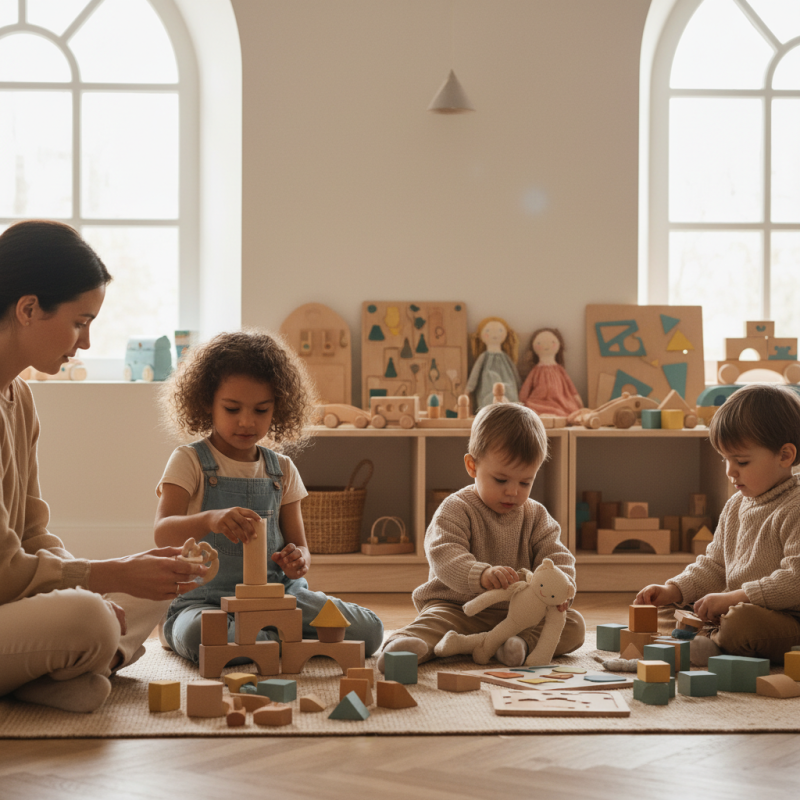
Choosing safe toys for kids is crucial for their development and well-being. Safe toys foster creativity and enjoyment. They encourage children to explore and learn without risk. Parents must understand safety guidelines when selecting toys.
Tips: Always check for age recommendations on toy packaging. These guidelines ensure children use toys suitable for their developmental stage. Look for small parts that could pose choking hazards. Soft edges and non-toxic materials are essential for safety.
Consider the overall design of the toy. A well-constructed toy lasts longer and poses fewer risks. However, even seemingly safe toys can have hidden dangers. Regularly inspect toys for wear and tear. It can be easy to overlook a small crack or loose part. Such issues may lead to an accident. Make safety a priority in your buying choices. Safety ultimately supports a child's growth and enjoyment.
Choosing safe toys for children is essential. In 2026, key features to consider include materials, design, and age appropriateness. The latest industry reports show that unsafe toys can lead to over 200,000 injuries annually in the U.S. alone. Therefore, materials matter. Look for non-toxic, BPA-free options. Many experts stress the importance of using safe, durable materials that withstand wear and tear.
Design is equally crucial. Toys should have no small parts for young children, as they pose choking hazards. Parents should consider sharp edges, which can cause injuries. A simple toy with bright colors can spark creativity without being hazardous.
Tips: Examine labels. Choose toys that meet international safety standards. Regularly check for wear. Dispose of damaged toys. Age appropriateness is vital. Toys meant for older kids can be harmful to younger ones.
Make informed choices. Uncertainty can arise from conflicting information. Trust verified sources and reports. Stay engaged in discussions about toy safety.
Navigating toy safety regulations in 2026 is crucial for parents. The U.S. Consumer Product Safety Commission (CPSC) noted that reported toy-related injuries reached over 200,000 in 2025. This alarming figure emphasizes the need for careful toy selection. Understanding safety standards helps mitigate risks.
Toy certifications like ASTM, EN71, and ISO-8124 ensure products meet strict safety guidelines. These standards cover materials used and age appropriateness. For instance, choking hazards are a major concern for children under three. In fact, small toy parts accounted for nearly 60% of reported injuries in 2025.
Parents must stay informed about evolving regulations. Toy safety is not always black and white. Some toys may be fun but lack proper certifications. Reviews and safety reports can be misleading. Always seek clarity. Safety comes first, but factors like durability should not be ignored. Reflecting on these details makes a difference in ensuring children's safety.
Choosing safe toys for children is crucial in 2026. Many toys pose hazards that can lead to injuries or health issues. A study from the United States Consumer Product Safety Commission reported over 200,000 toy-related injuries in 2020 alone. Notably, small parts are often a choking hazard. Toys meant for older children might inadvertently end up in the hands of toddlers.
One concern is chemical exposure. Some toys contain harmful substances like phthalates and lead. According to the American Academy of Pediatrics, these chemicals can cause developmental issues. Always check for certification marks that indicate safety compliance. Opt for toys made from natural materials.
Tips: Look for toys without small pieces. Choose age-appropriate toys to avoid risk. Involve your kids when choosing toys. They often have preferences that, surprisingly, can align with safety. Supervise play, as accidents can happen quickly. Remember, safe toys reflect mindful choices. It's essential to rethink how we approach toy selection to prioritize safety and enjoyment.
When shopping for toys, safety should be a priority. Parents often face choices that can be overwhelming. During holiday seasons, the pressure increases. Here are some tips to keep your little ones safe.
Check the age recommendations on toy packaging. Toys should match your child's developmental stage. It can be tempting to buy trendy items. But if they aren’t suitable, they can pose risks. Small pieces are a choking hazard for younger kids. Make sure toys are sturdy and well-made.
Look for non-toxic materials. Many toys are made from plastic, wood, or fabric. Ensure that these materials are free from harmful chemicals. Toys should pass safety standards. It's worth spending some time reading labels. If information is unclear, it may be best to avoid that option.
Supervision is vital during playtime. Even the safest toys can lead to accidents. Kids can misuse toys or play inappropriately. Keeping an eye on them can prevent mishaps. Encourage safe play habits, like sharing and taking turns. Reflect on your child’s behavior with their toys. This can help identify any changes needed for safety.
: In 2026, over 200,000 toy-related injuries were reported. Safety in toy selection helps reduce risks.
Small parts can cause choking. Chemical exposure is another risk. Some toys may contain harmful substances.
Look for certification marks. Choose age-appropriate options. Avoid toys with small pieces for younger children.
Check age recommendations on packaging. Ensure toys are sturdy and made from non-toxic materials.
Even safe toys can cause accidents. Children may misuse toys. Supervision helps prevent mishaps and encourages safe play.
Kids often have preferences that align with safety. Including them in decisions can promote safer choices.
Not necessarily. Some fun toys may lack proper certifications. Always seek clarity on safety before purchasing.
Consider safety, durability, and child behavior. Rethink choices to prioritize enjoyment and safety together.
Choosing safe toys for kids is a crucial task for parents, particularly in 2026, as safety standards continue to evolve. Understanding the significance of safe toys, parents should focus on key features such as materials, design, and age appropriateness. Navigating through toy safety regulations and certifications can help in making informed decisions, ensuring that the toys meet necessary safety benchmarks.
Moreover, being aware of common hazards in children's toys can significantly reduce risks. Parents are encouraged to carefully inspect toys for potential dangers and consider safety guidelines while shopping, especially during holiday seasons when the variety can be overwhelming. By following these strategies, parents can confidently learn how to choose safe toys for kids, ensuring a fun and secure playtime experience.
