Trues Toys
Choosing the right Science Laboratory Toys for kids can be challenging. The variety available today is astounding. Toys not only entertain but also educate young minds.
When selecting Science Laboratory Toys, we should focus on quality and safety. Many toys claim to be educational but may lack substance. Look for options that genuinely spark curiosity, encourage experimentation, and provide hands-on experiences. Engaging kids with real science concepts can ignite their passion for learning.
Analyzing the choices involves understanding your child's interests and age. Each toy serves a different purpose and offers unique lessons. Choosing wisely empowers children to explore the science behind the world around them. Reflect on what toys could be missing from their current collection. Consider the balance of fun and education when making a selection.
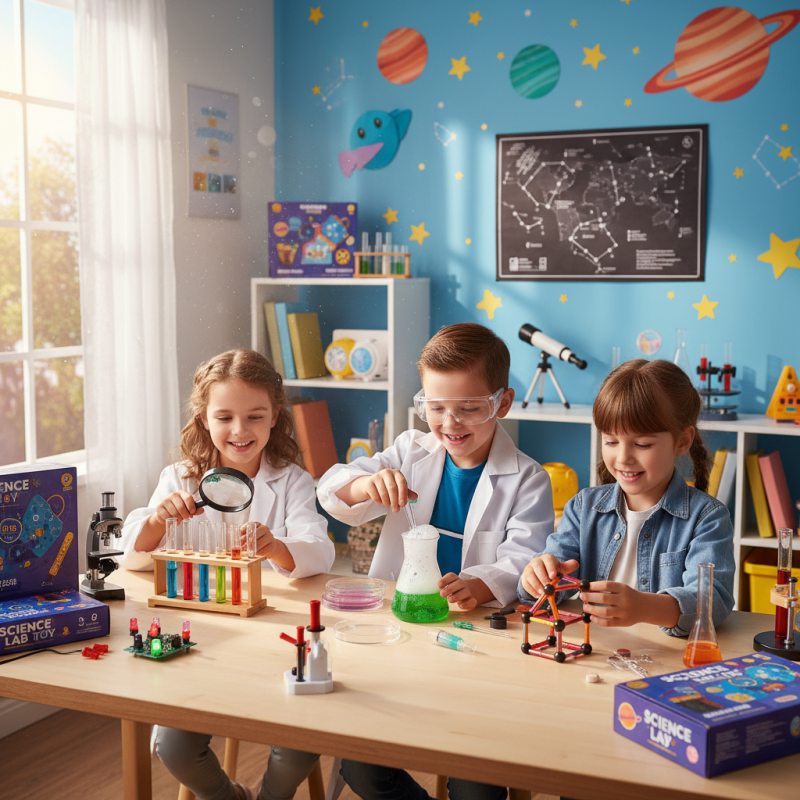
When selecting science laboratory toys for kids, it’s important to understand the types available. There are kits focused on chemistry, which often include safe, non-toxic materials for experimenting. Children can mix various substances to observe reactions. These kits spark curiosity but may also create a mess. Parents should balance fun with cleanup responsibilities.
Another type features physics-based toys that explore concepts like electricity and magnetism. These often come with simple circuits and magnets to engage young minds. Kids learn through play, but not all can grasp the concepts right away. Some may feel frustrated when things don’t work as expected.
Biology-themed toys are another great choice. They often include models of cells or ecosystems. Hands-on activities allow kids to explore life sciences. However, explaining all the details can be challenging. Not every child will comprehend complex ideas immediately. It’s essential to encourage persistence and inquiry without overwhelming them with information. This blend of trial and error is part of the learning journey.
When selecting science laboratory toys for kids, age appropriateness is crucial. Children develop at different rates. Toys must match their developmental stage. A report from the American Academy of Pediatrics highlights that play-based learning enhances cognitive development in young children. Age-appropriate toys engage interest and maximize benefits.
For toddlers, look for simple sets. Toys designed for ages 2-4 should focus on basic concepts. Building blocks and simple chemical reaction kits are ideal. They introduce problem-solving in an enjoyable way. However, some kits may have small parts. Always check for safety warnings to avoid choking hazards.
For children aged 5-7, consider toys that deepen their understanding. Science kits with hands-on experiments can spark curiosity. These activities allow kids to explore scientific principles in a tangible way. Be cautious, though. Not all kits align with educational standards. You may find that some toys overpromise in their instructions.
Tips: Always read reviews before purchasing. Look for toys that encourage parental involvement. Collaborative play improves learning outcomes. Regularly assess your child’s interest. If a toy loses their engagement, it may be time to swap it out for something new. Keeping play fresh can boost enthusiasm for science.
When selecting science laboratory toys for kids, safety should be the top priority. These toys often include chemicals or sharp tools, so it’s crucial to check their materials. Look for non-toxic options. Many kids are curious and may touch or taste everything. Ensure that the toys meet safety standards to prevent harmful incidents.
Another consideration is age appropriateness. Some toys may be designed for older children. Carefully read age recommendations on the packaging. Younger kids can be vulnerable to choking hazards or misuse of equipment. Oversight from an adult can also help mitigate risks. Engage with your child while they explore these toys. It adds fun and allows you to address safety concerns.
Finally, keep in mind that some toys may not perform as intended. Not each kit will teach every concept effectively. Kids might get frustrated if experiments fail. This doesn’t mean the toys are bad but highlights the learning process. Encourage resilience and curiosity in these moments.
| Toy Name | Age Range | Material | Safety Rating | Educational Focus |
|---|---|---|---|---|
| Chemistry Lab Set | 8+ | Plastic, Glass | ASTM Certified | Chemical Reactions |
| Microscope Set | 7+ | Metal, Plastic | EN71 Compliant | Biology |
| Robotics Kit | 10+ | Plastic, Electronics | CE Marked | Engineering |
| Physics Experiment Kit | 9+ | Wood, Plastic | ISO Certified | Physics Concepts |
| Earth Science Kit | 6+ | Recyclable Materials | Child Safe | Geology |
Choosing the right science laboratory toys for kids can be overwhelming. Yet, understanding their educational value can make the task easier. These toys foster curiosity and critical thinking. When children engage with them, they explore concepts in chemistry, physics, and biology in fun ways. It’s about discovery through play, which is crucial in early education.
Tips: Look for toys that encourage hands-on experimentation. Kits that allow children to mix ingredients or build models can spark their interest. Visual elements also matter. Bright colors and interesting shapes capture their attention.
Always consider age appropriateness. Some toys may be too complex for younger kids. This can lead to frustration instead of learning. Testing them yourself can offer insight. Reflect on how your child interacts with the toy. Are they engaged? Do they ask questions? Your observations can guide future purchases.
This chart illustrates the educational value of different dimensions associated with science laboratory toys for kids. Factors such as hands-on experience, critical thinking, creativity, problem solving, and teamwork are rated on a scale from 1 to 10, highlighting how these toys promote learning and discovery.
When it comes to choosing the best science laboratory toys for kids, reading reviews is crucial. This gives insights into what toys engage children and promote learning. A recent study found that 78% of parents consider product reviews essential when making a purchase. Parents often want to ensure they choose toys that encourage curiosity and enhance critical thinking.
Many recommendations highlight the importance of hands-on activities. Toys that allow for experimentation can ignite a child’s interest in science. For instance, kits that come with various materials for conducting experiments are particularly popular. Studies show these interactive experiences boost retention of scientific concepts. However, not all toys deliver these promises. Some toys may look appealing but don’t provide significant educational value.
It’s vital to reflect on the age appropriateness of the toys. A toy that fascinates a 5-year-old might not challenge a 10-year-old. Reviews often mention this aspect. Parents should seek toys that grow with their children. They should also be aware that the most expensive toys aren't always the best. Checking a variety of sources can help clarify this. Listening to other parents’ experiences is invaluable in this decision-making process.
: Age appropriateness ensures toys match your child's developmental stage. This helps maximize benefits during play.
Look for simple sets, like building blocks and basic kits. They introduce problem-solving and are age-appropriate.
Science kits with hands-on experiments deepen understanding. They spark curiosity through tangible exploration of scientific principles.
Check if reviews mention educational value and engagement. This insight can guide your purchase decisions for better outcomes.
It encourages parental involvement, which improves learning outcomes. Kids learn best when they explore together with adults.
Observe your child’s interactions. Are they interested? Do they ask questions? Regular assessment can lead to better choices.
If excitement wanes, consider swapping it out. Keeping play fresh can maintain enthusiasm for learning.
No, some toys may overpromise benefits. Always test them for practical educational value and engagement potential.
When selecting science laboratory toys for kids, it's essential to understand the various types available, as they cater to different scientific principles and age groups. Age appropriateness is a critical factor, as toys should match a child's developmental stage to ensure both safety and engagement. In addition to safety, parents should consider how these toys promote educational value, fostering a love for learning through exploration and discovery.
Reading reviews and recommendations from other parents and educational resources can provide valuable insights into the best science laboratory toys on the market. Ultimately, the ideal toy will not only facilitate hands-on learning but also inspire curiosity and creativity in young minds, laying the groundwork for a lifelong interest in science.
