Trues Toys
Choosing the right percussion instruments for kids is essential for fostering a love of music. Research shows that learning an instrument improves cognitive skills and boosts confidence. According to the National Association for Music Education, children who engage with music show better academic performance. This highlights the importance of early musical exposure.
When selecting percussion instruments for kids, consider their age and interests. Instruments like tambourines and drums are often appealing. They spark creativity and encourage expression. However, it’s essential to be mindful of the child's comfort and physical ability. Not all instruments suit every child, and this can lead to frustration.
Parents should also reflect on the noise factor. Percussion instruments can be loud. While this allows children to enjoy rhythm, it can also overwhelm. Balancing enthusiasm with practicality is vital in making choices. Overall, the goal is to nurture a joyful musical experience through percussion instruments for kids. This journey may require adjustments along the way, as every child's needs and preferences evolve.
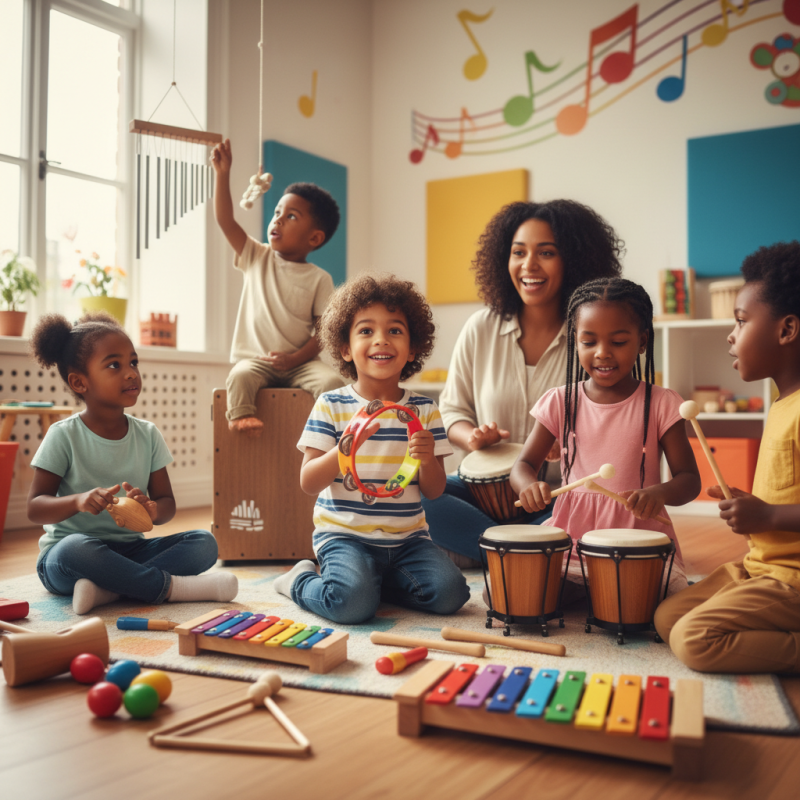
Choosing the right percussion instruments for kids can be tricky. You want to inspire a love for music while ensuring safety and enjoyment. The size of the instrument is crucial. Smaller instruments often suit younger children better. They can hold and play them with ease, which boosts their confidence.
Consider the material each instrument is made from. Wooden instruments tend to have a warmer sound. However, some kids may find them heavier. Plastic instruments are lighter and can be easier for small hands. The sound quality varies, and it often leads to mixed feelings. Some parents prefer high-quality sound, while others focus on durability and safety.
Finally, think about the child’s interest. Does your child enjoy loud, energetic beats or softer rhythms? Their personal preference can guide your choice. Some kids might struggle with certain instruments. It’s important to remain flexible. Trying different types may reveal unexpected favorites. Engaging kids in this selection process can make learning fun.
When selecting percussion instruments for children, consider factors such as age, skill level, and the type of music they are interested in. The following chart illustrates the popularity of various percussion instruments among kids aged 5-10.
When choosing percussion instruments for kids, consider their age and interest. Simple instruments are often best for younger children. Shakers and tambourines are excellent options; they are easy to hold and fun to play. Kids can explore sound without much difficulty.
For slightly older children, drums can become a fantastic choice. Hand drums, like bongos or djembe, encourage rhythm and coordination. They can create a variety of sounds. However, they may require a bit more practice than shakers. This can be a frustrating experience. But, it also teaches persistence.
Xylophones and marimbas introduce kids to melodic percussion. These instruments are visually appealing and produce rich tones. Kids can learn tunes while developing their musical ear. However, they sometimes might lose interest. Keeping sessions short and engaging can help maintain focus. Each instrument offers unique benefits and challenges. Understanding this balance is key to fostering a long-term love for music.
When choosing percussion instruments for kids, age appropriateness is vital. Research shows that children's developmental stages affect their musical interests and abilities. For instance, children aged 3-5 can handle simple instruments like maracas or tambourines. These choices help develop coordination and rhythm. Meanwhile, kids aged 6-8 are ready for more complex instruments. They might enjoy xylophones or hand drums, which require more skill.
Skill level also plays a significant role. A beginner shouldn't feel overwhelmed. The National Association for Music Education reports that starting with accessible instruments enhances a child's confidence. Encourage exploration. Young musicians thrive when they can experiment without pressure.
**Tips:** Always assess physical size. Instruments should match the child’s grip and reach. Listen to their interests. If they show excitement for a specific sound, explore it. Finally, don't rush. Each child develops at their own pace. Growth in skill and interest takes time. Keeping it fun is essential.
| Age Group | Instrument | Skill Level | Notes |
|---|---|---|---|
| 3-5 years | Hand Drums | Beginner | Great for rhythm introduction; safe and easy to use. |
| 6-8 years | Tambourine | Beginner | Lightweight and fun to play; encourages participation in group activities. |
| 9-12 years | Bongos | Intermediate | Good for developing hand coordination and rhythm skills. |
| 12+ years | Cajón | Advanced | Requires skill to play; great for live performances and jamming. |
Percussion instruments offer significant benefits for children's development. Studies show that children who engage with music, especially rhythm instruments, enhance their cognitive and emotional skills. According to a report by the National Association for Music Education, kids involved in music activities can improve their IQ by as much as 7 points. Rhythm can help with language development too. Kids often learn to recognize patterns through drumming and tapping.
Playing percussion instruments also promotes social skills. Children learn to listen to one another while playing in groups. This cooperation fosters teamwork, patience, and discipline. Research indicates that children participating in group music activities showed improved communication skills compared to those who did not. Such collaborative play creates a unique space for growth and shared creativity.
However, choosing the right percussion instrument can be daunting. Each child has different interests and abilities. It’s essential to introduce various instruments and observe which ones resonate. Some children may struggle to stay engaged or find the sounds overwhelming. Taking time to reflect on these preferences can guide the selection process. The goal is to find joy in music, despite the hurdles along the way.
Introducing percussion instruments to kids can be a joyful experience. Research shows that actively engaging children in music improves their cognitive skills. For instance, a study by the National Association for Music Education revealed that children involved in music education score higher in math and reading tests. This highlights the importance of introducing music early.
One fun way to engage kids is through rhythm games. You can create simple patterns and ask them to clap along. This not only teaches them coordination but also develops a sense of timing. Kids enjoy using household items as instruments, like pots or boxes. This sparks creativity and makes learning feel natural.
It's also essential to allow free exploration. Some kids might struggle with coordination or feel unsure. Encouragement is key. Provide a safe space for mistakes. This way, children learn to express themselves without fear. Allow the exploration of different sounds and rhythms, fostering a lifelong love for percussion.
: Simple instruments like shakers and tambourines work well. They are easy to hold and fun to play.
Hand drums like bongos encourage rhythm and coordination. They help kids create various sounds and practice patience.
These instruments introduce melodic percussion. They are visually appealing and help develop musical ear and tone recognition.
Yes, studies show it can enhance cognitive and emotional skills, often raising IQ by up to 7 points.
Kids learn to recognize patterns through drumming and tapping. This engagement helps their language skills grow.
Children learn to listen, cooperate, and practice patience. This fosters teamwork and improved communication skills.
Introduce various instruments and observe which ones resonate with the child. Reflect on their interests and engagement levels.
Some children may find sounds overwhelming or struggle to stay engaged. It's important to keep sessions short and engaging.
Keeping sessions engaging helps prevent kids from losing interest. Short bursts of activity can promote lasting enthusiasm for music.
Choosing the right percussion instruments for kids involves several important factors. First, consider the age and skill level of the child to ensure the selected instruments are suitable and safe for their developmental stage. Different types of percussion instruments, such as drums, tambourines, and xylophones, can cater to various interests and abilities, promoting engagement and joy in learning music.
Engaging children with percussion instruments offers numerous benefits for their development, including improved motor skills, coordination, and social interaction. To introduce these instruments in a fun and engaging way, parents and educators can incorporate games, group activities, and interactive lessons that inspire creativity and exploration. Ultimately, selecting the right percussion instruments for kids can foster a lifelong love of music and enhance their overall development.
