Trues Toys
Selecting the right toys for children can be challenging. Parents often wonder, "What age is right for certain toys?" Understanding developmental milestones can guide these choices. Toys should match a child's age and skill level to ensure a safe and enjoyable experience.
For infants, soft, colorful toys stimulate senses and promote motor skills. As children grow, they need toys that challenge their imagination and encourage learning. For example, building blocks enhance fine motor skills, while puzzles develop problem-solving abilities. Each age group has its own unique needs.
It’s vital to consider safety standards and educational value in toys. Not all toys are suitable for every age. A toy meant for older children can pose risks for younger ones. Reflecting on these aspects can help parents make informed decisions. The right toy can provide hours of joy and foster development in a child's formative years.
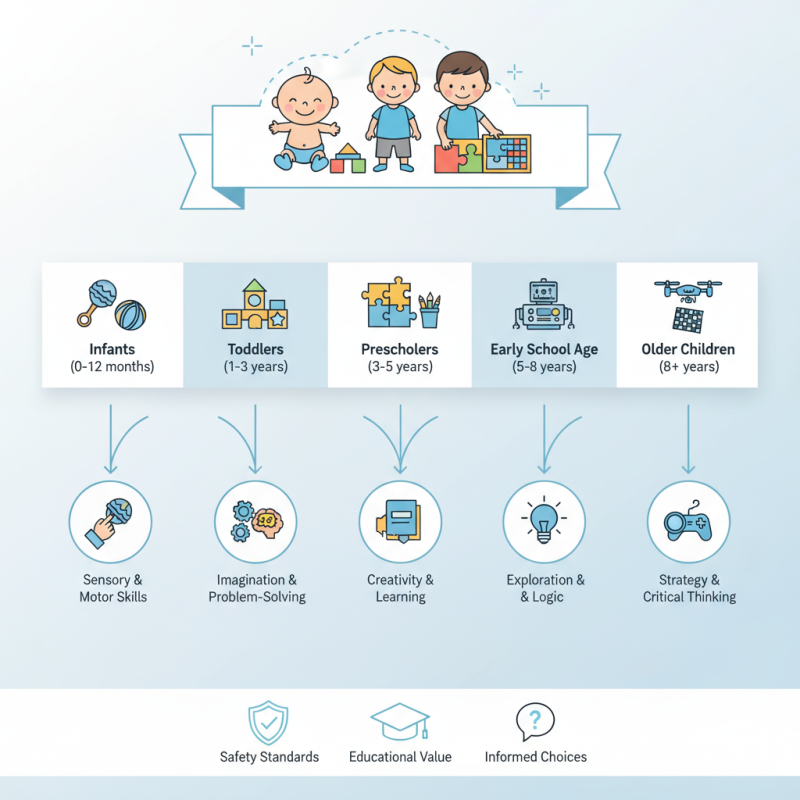
When exploring China's top toys for various age groups, it is essential to understand the uniqueness and requirements of each stage of childhood. Children aged 0-2 benefit from toys that stimulate sensory development. Soft blocks and colorful rattles enhance their engagement and curiosity.
For children aged 3-5, imaginative play becomes crucial. Puzzles and building sets help develop fine motor skills and problem-solving abilities. Art supplies can foster creativity, offering endless possibilities.
Tip: Always supervise playtime. Young kids often put toys in their mouths.
As kids move into the 6-8 age range, they crave more complexity. STEM kits and interactive games challenge their minds. These toys encourage kids to explore concepts like engineering and science through play.
For tweens, aged 9-12, the focus shifts to social interaction. Board games and cooperative playsets can build teamwork skills. It's important to choose toys that enhance both skill development and social engagement.
Tip: Choose toys that reflect your child's interests. Engaging them this way leads to a richer, more meaningful play experience.
Choosing the right toys for children requires understanding their developmental stages. Different age groups have varying needs. Infants benefit from toys that enhance sensory skills. Toys like soft blocks or rattles help with tactile exploration. They show vibrant colors, promoting visual engagement.
As toddlers grow, their curiosity increases. They develop motor skills and coordination. Puzzles and building sets become essential at this stage. These toys encourage problem-solving and creativity. However, some toys may be too complex. Parents should observe their child's interaction to ensure enjoyment and safety.
Preschoolers thrive with imaginative play. Role-playing toys, such as kitchen sets or action figures, foster social skills. Children learn to share and cooperate through play. Still, the toy selection can overwhelm. Parents must balance educational value with fun. Regularly assessing their child's interest is crucial for a meaningful play experience.
When selecting toys for children, age appropriateness is crucial. Toys must align with developmental stages to foster growth. Infants enjoy sensory toys. Bright colors and varied textures engage their curiosity. Simple rattles facilitate hand-eye coordination. As they grow, toddlers benefit from building sets that encourage creativity. These toys enhance motor skills and problem-solving abilities.
For preschoolers, interactive toys play a key role. Puzzles and role-playing sets spark imagination. They promote social skills and teamwork. It's essential to consider safety, too. Avoid small parts that could pose choking hazards. Older children, meanwhile, might enjoy more complex games. They often seek challenges that are intellectually stimulating.
Finding the right toy isn’t always clear-cut. Parents may feel pressured to choose the latest trend. However, it’s vital to focus on the child's interest and needs. Engaging in play can significantly impact a child's emotional and cognitive development. Toys should inspire joy and learning in equal measure.
Educational, creative, and interactive toys are crucial for child development. The toy industry is evolving rapidly. According to a report by IBISWorld, the educational toy market is projected to grow by 7% annually. These toys enhance learning through play, fostering cognitive skills in children.
Creative toys inspire imagination. They encourage children to think outside the box. A study from the American Academy of Pediatrics highlights the importance of creativity in early development. Kids engaged with creative toys often show better problem-solving skills.
Interactive toys are popular, too. They engage children on multiple levels. Recent statistics indicate that interactive toys have seen a rise in sales by over 10% this past year. Yet, not all interactive toys are effective. Quality varies significantly across brands and types.
Choosing the right toy for the right age is essential. Many parents overlook the developmental stage when selecting toys. Some toys may not align with a child's interests or maturity level. Understanding this can foster a more meaningful play experience. Parents should be mindful and reflect on their choices.
In China, toy safety standards are highly significant. The government has established strict regulations to ensure toys are safe for children. These standards cover materials, design, and manufacturing processes. Compliance is mandatory for all toys on the market. Manufacturers should conduct thorough testing to verify safety. Failure to comply can lead to serious consequences, such as recalls.
Additionally, parents should be aware of these safety standards when purchasing toys. They should look for indications of compliance, such as labels or certificates. Various age groups have different needs, and toys must match these developmental stages. It’s essential for toys to encourage creativity, coordination, and cognitive skills while also being safe.
However, challenges remain. Some toys might appear safe but contain harmful materials or small parts. This calls for vigilance from parents and caregivers. Reflecting on these issues can help ensure safer play experiences for children. Always stay informed about the latest safety guidelines and choose toys wisely.
| Toy | Recommended Age Group | Safety Standard Compliance | Material |
|---|---|---|---|
| Building Blocks | 2-5 years | ASTM F963 | Plastic |
| Stuffed Animals | 0-3 years | GB 6675 | Fabric |
| Educational Tablets | 3-6 years | EN 71 | Plastic |
| Action Figures | 6-12 years | ISO 8124 | Plastic |
| Board Games | 8+ years | ASTM F963 | Paper/Cardboard |
| Dolls | 3-10 years | GB 6675 | Vinyl |
| Remote Control Cars | 6+ years | EN 71 | Plastic/Metal |
| Puzzles | 4-10 years | ISO 8124 | Wood |
| Musical Instruments | 3-8 years | ASTM F963 | Wood/Plastic |
| Bicycles | 5+ years | ISO 8124 | Metal/Plastic |
: Infants benefit from soft blocks and colorful rattles. These toys help with sensory development and engagement.
Puzzles and building sets support motor skills and problem-solving. Art supplies also encourage creativity during this stage.
Always supervise younger children. They may put toys in their mouths, which can be dangerous.
STEM kits and interactive games challenge kids to explore science and engineering concepts through play.
Board games and cooperative playsets enhance teamwork and social interaction, making playtime more engaging.
Understanding developmental stages is key. Match toys to children's needs and interests for more meaningful play.
Look for compliance labels or certificates. Ensure toys meet safety standards for materials and design.
Some toys may seem safe but can contain harmful materials or small parts. Be vigilant and informed.
Regularly checking interests can lead to a better play experience. Avoid overwhelming them with too many choices.
Role-playing toys encourage sharing and cooperation. They help kids learn to interact positively with others.
This article provides a comprehensive overview of China's top 10 toys suitable for various age groups, emphasizing the importance of understanding developmental stages to determine what age is right for certain toys. It explains how different toys can foster specific skills and attributes in children as they grow, making it crucial for parents to select age-appropriate toys.
Additionally, it outlines the criteria for selecting the right toys, which includes factors such as educational value, creativity, and interactivity. Popular categories of toys are highlighted, showcasing their benefits in promoting learning and development. The article also addresses safety standards and regulations for toys in China, ensuring that parents can make informed choices that prioritize their child's safety and well-being.
