Trues Toys
China’s toy industry spans large factories, specialist workshops, and trading companies, so product quality can vary widely. A bright catalog photo cannot show whether a toy’s seams are secure, its paint rubs off, or its small parts detach easily. What mistakes to avoid when buying toys? Start by judging the product and supplier on evidence, not price alone. A very low quote may leave out packaging, testing, or quality checks.
Ask for a sample that matches the final order. Inspect its edges, stitching, moving parts, and labels, then compare it with the approved specification. Check that the supplier can provide relevant test reports and traceable product details. Confirm which materials, colors, and packaging are included. Small changes can matter. A sample may look sturdy, while a bulk shipment feels different.
Clear communication helps, but it does not replace inspection. Use written specifications, agree on acceptable defects, and consider an independent pre-shipment check for larger orders. Keep records of approvals and questions. They are useful if a delivery differs from what you expected. I have seen buyers focus so closely on unit cost that they overlook carton strength and labeling details. It is an easy mistake, and worth reconsidering. Reliable purchasing means balancing price, safety, consistency, and practical use—not assuming every supplier or every toy from China is the same.
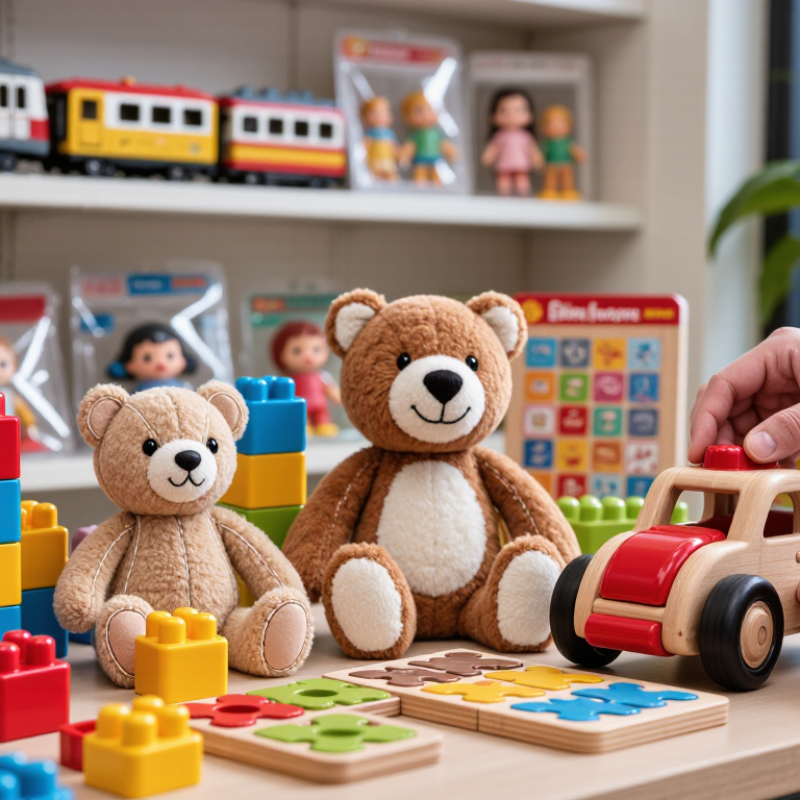
China’s toy market is not one uniform category. The China Toy and Juvenile Products Association reported domestic traditional-toy retail sales of RMB 90.1 billion in 2023, up 2.7% year over year. This figure describes retail sales, not factory output or export value. That distinction matters. Plush toys, puzzles, building sets, dolls, and battery-powered vehicles have different materials, age ranges, packaging needs, and quality checks. Buyers should compare products within the same category instead of relying on a broad “toy” label.
Circana’s 2023 global toy industry review found sales fell 7% across its tracked markets. That is a useful reminder: a large market figure does not guarantee demand for every product type. For sourcing, define the intended age group, materials, and play function before comparing suppliers. A small plush toy and a motorized vehicle may need very different specifications. I would double-check category claims against the exact product description; these labels can be surprisingly broad. The association’s retail data is a helpful starting point, not a forecast for a specific item.
When comparing toys made in China, check safety information before judging color or price. Read the age label and warning text on the package, then consider how the child actually plays. A three-year-old may still mouth small pieces, even when a toy looks sturdy. Small parts matter. Look for clear material details and safety-standard information, and confirm that instructions are available in a language you understand. If the packaging is vague or the seller cannot answer basic questions, pause before buying.
Inspect the toy closely when it arrives. Check for sharp edges, loose seams, strong chemical odors, peeling paint, and parts that detach with gentle pressure. For battery-powered toys, make sure the compartment closes securely and cannot be opened easily by a child. Test sound and movement yourself; loud, sudden noises can be unpleasant in a small room. A safety mark is useful, but it should not replace a hands-on check or reliable product details. I sometimes focus too much on the recommended age printed on the box. It is only a guide: match the toy to the child’s coordination, patience, and habits, and return it if something feels off.
A toy can look polished in a product photo and still have weak joints or rough edges. Check the material description, not just words like “soft” or “durable.” For a plush toy, feel along the seams and look for loose threads. For a wooden or plastic toy, inspect corners, hinges, and the finish. Uneven color or a strong chemical odor deserves a closer look, though appearance alone cannot confirm safety.
Tips: Read the age guidance and care instructions. Gently tug attached parts, press buttons, and open and close moving pieces. Check that small components stay secure. If details are unclear, ask the seller for material and quality-control information before buying.
Construction matters during everyday play. A wheel that wobbles on a new toy may loosen further, while thin stitching can split under ordinary handling. Review close-up photos and buyer comments for repeated reports of cracks, peeling, or missing parts. Still, a few reviews cannot tell the whole story. I sometimes focus too much on neat packaging; it is the seams, joins, and finish that deserve more attention. Read labels carefully, and remember that “premium” is not proof of better workmanship.
When comparing toy suppliers, look beyond the unit price. Ask each supplier to quote the same specifications: materials, dimensions, colors, packaging, and age grading. A quote for a 20-centimeter plush toy may not include an individual bag or sewn-in label. Request current product photos and a sample before placing a bulk order. It is tempting to focus on the cheapest sample, but its finish may not match production quality.
Tips: Compare the full landed cost, not just the factory quote. Ask whether packaging, inspection, and export documents are included. Confirm carton size, gross weight, minimum order quantity, payment milestones, and production lead time in writing. Shipping estimates should state the method, origin, destination, and whether duties are included. Freight costs can change when cartons are measured.
Check how suppliers handle delays, damaged cartons, and differences between approved samples and finished goods. Request clear checkpoints, such as material approval and a pre-shipment inspection. Compare sea, air, and rail options against your actual delivery date; faster shipping may not justify the added cost. Keep specifications and approvals together. Small details matter. No checklist removes every surprise, so leave room in your schedule and budget.
Compare suppliers using like-for-like prices, shipping terms, and realistic delivery expectations.
Indicative planning ranges in days, not guaranteed delivery times. Actual transit varies by route, season, carrier, customs clearance, and service level. Avoid comparing quotes until you confirm the same Incoterm and check whether freight, duties, inspection, and other charges are included.
A sample is useful, but it is not a promise that every unit will match. Check stitching, seams, paint finish, small parts, and packaging under good light. Take photos and note any differences before approving an order. Ask whether the sample uses the same materials and production process as the planned batch. A neat sample can hide a rough finish. It happens.
Verify the seller beyond a polished product page. Compare the business name, contact details, address, and payment information across documents. Request a live video walkthrough of the workshop or stock area, and ask for recent buyer references. Vague answers deserve a pause, not an argument. Read the return policy before paying: check the time limit, what counts as a defect, who pays return shipping, and what evidence is required. Save the written terms and order messages. I would not assume “returns accepted” covers damaged goods or late deliveries; the details matter. Ask for clarification in writing, even if it feels awkward.
Reported domestic retail sales reached RMB 90.1 billion, up 2.7% year over year. This figure is not factory output or export value.
Plush toys, puzzles, building sets, dolls, and motorized toys have different materials and quality checks. A broad “toy” label tells you little.
Check the seams, loose threads, attached parts, and care instructions. A soft-looking surface is not enough.
Look closely at corners, hinges, wheels, and finishes. Wobbly parts, peeling surfaces, or thin stitching deserve attention. Photos can miss things.
No. Ask about materials and quality checks, then review close-up photos and repeated buyer comments. I sometimes trust neat packaging too much.
Under good light, inspect stitching, paint, small parts, and packaging. Take photos and record differences before approving an order. Samples can mislead.
Compare the business name, contact details, address, and payment information across documents. Ask for a live video walkthrough or recent buyer references.
Check the deadline, defect conditions, return shipping costs, and required evidence. Save the terms and messages in writing. “Returns accepted” may be unclear.
Buying toys from China can offer a wide range of choices, but making a good purchase takes careful research. Start by understanding the toy categories available and matching the product to its intended use and age group. Check relevant safety information and age guidance, then assess the materials, construction, finish, and overall quality. Clear product details and consistent workmanship can help you avoid toys that may not meet your expectations.
What mistakes to avoid when buying toys? Don’t choose solely by the lowest price, overlook shipping costs and delivery conditions, or rely on product photos without requesting a sample. Compare suppliers on communication, product consistency, and transparent terms. Before placing an order, verify the seller’s credentials and clarify the return policy, including how damaged or unsuitable items are handled. These steps can help you make a more informed purchase and reduce surprises after delivery.
