Trues Toys Trues Toys

Best Toys for Every Age Which Toys Are Right for Your Child?

Time:2026-07-29 Author:Isabella
0%

Choosing the right toys for children is crucial for their development. According to a report by the American Academy of Pediatrics, play is essential for a child’s overall growth. It helps in developing social skills, problem-solving abilities, and creativity. But, what age is right for certain toys? This question is often overlooked by many parents.

Research shows that toys must align with a child's developmental stage. For instance, infants benefit from toys that stimulate their senses. Bright colors and varied textures engage their curiosity. As toddlers grow, they require toys that promote physical skills and communication. Building blocks and role-playing sets are great options for this age group.

Moreover, it’s important to reflect on individual needs. Not every child develops at the same pace. Some may thrive with complex puzzles, while others might struggle. Always observe your child's interests and abilities. This approach ensures that the toys you choose aid in enrichment rather than frustration. Selecting appropriate toys can be both exciting and challenging for parents.
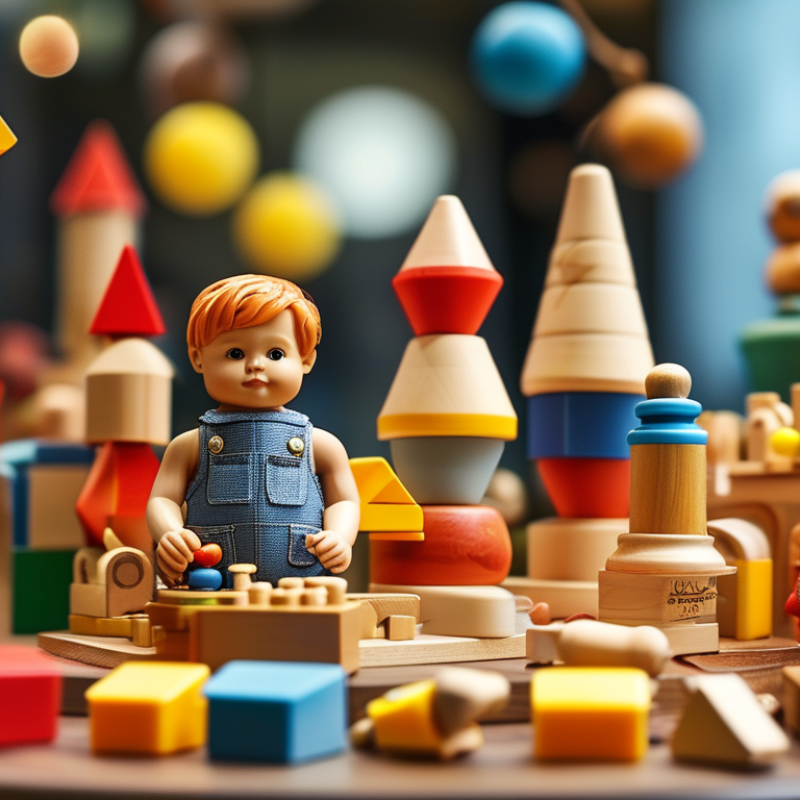
Best Toys for Every Age Which Toys Are Right for Your Child?

Understanding Child Development Stages for Toy Selection

When selecting toys for children, understanding their development stages is crucial. Infants enjoy toys that stimulate their senses. Rattles and soft toys can help develop their motor skills. At this stage, safety is a top priority. Ensure toys are free from small parts.

Toddlers begin to explore their surroundings actively. They benefit from toys that encourage creativity and physical movement. Building blocks and art supplies can enhance fine motor skills and imagination. Monitor your child's interactions with these toys. They often express preferences and interests that evolve quickly.

Preschoolers are ready for more complex play. Educational games and puzzles can support their cognitive development. They also enjoy role-playing, which fosters social skills. Pay attention to their emotional responses. Some might struggle with sharing or taking turns. These moments can teach valuable lessons. Providing a variety of options is vital, as children's interests change rapidly.

Age-Appropriate Toy Categories: Infants to Teens

Choosing age-appropriate toys is essential for your child's development. Infants benefit from toys that stimulate their senses. According to the American Academy of Pediatrics, toys that make sounds or have varied textures can enhance sensory exploration. Safe rattles, colorful cloth books, and soft blocks are perfect at this stage.

Toddlers, aged one to three, thrive on toys that encourage movement and creativity. They often enjoy building blocks, simple puzzles, and interactive stuffed animals. Research shows that these toys can boost cognitive and motor skills. However, parents should monitor for small parts that can pose a choking hazard.

For children aged four to eight, toys that promote imaginative play are key. Action figures, arts and crafts supplies, and educational games foster creativity and social skills. Yet, the balance is crucial — too many options can overwhelm them. Finally, teens may gravitate towards technology-based toys. These can enhance critical thinking but sometimes lead to excessive screen time concerns. It is important to foster discussions about healthy play habits as they grow.

Safety Considerations When Choosing Toys for Children

Choosing safe toys for your children is essential. Safety should always be a priority. Parents often overlook smaller parts. These can pose choking hazards for younger kids. Check age recommendations on toy packaging. These guidelines help ensure safety.

Materials are also important. Opt for non-toxic options. Some toys may have harmful chemicals. Look for certifications that indicate safety standards. Soft toys should be washable to maintain hygiene. Avoid toys with sharp edges or points. Inspect toys regularly for wear and tear.

Consider your child's developmental stage. A toy that seems safe may not be suitable for every age. Toddlers play differently than older children. Supervision is crucial when kids use new toys. Reflect on your child's interaction with toys. It helps you make informed choices for safer play.

Best Toys for Every Age: Safety Considerations When Choosing Toys for Children

Educational vs. Recreational Toys: Finding the Balance

Choosing toys for your child involves finding the right balance between educational and recreational options. Educational toys foster learning and cognitive development. They can enhance problem-solving skills and creativity. For example, building blocks encourage spatial awareness. Puzzles can improve critical thinking. Such toys stimulate a child's mind and lay a foundation for future learning.

On the other hand, recreational toys are equally important. They promote physical activity and social skills. Outdoor games can enhance coordination. Arts and crafts allow for self-expression. Children need playtime to unwind and relax. Play is not just fun; it’s essential for emotional well-being.

It’s vital to reflect on your child’s interests. Their preferences may change over time. Toys that were once favorites might lose their appeal. Parents should regularly assess what engages their children. Balancing educational and recreational toys can be challenging. Yet, both types play a crucial role in childhood development.

Top Recommended Toys for Each Age Group and Their Benefits

When choosing the best toys for children, age-appropriate options can make a significant difference. Toys stimulate development and learning. For babies, soft blocks enhance motor skills and provide sensory exploration. Simple musical toys can encourage auditory skills and bonding time with parents.

Toddlers benefit from toys that inspire imaginative play. Building sets or play kitchens help develop fine motor skills. These toys also promote problem-solving abilities. Engaging in pretend play can teach social skills. Kids learn to share and communicate effectively.

As children grow, educational games and STEM toys come into play. These tools motivate critical thinking and creativity. Puzzles challenge older children but can be frustrating if too complex. It’s essential to balance challenge with fun. Always observe their reactions to toys. Adjust based on what they enjoy most, fostering a love for learning and exploration.

Best Toys for Every Age Which Toys Are Right for Your Child?

Age Group Recommended Toys Benefits
0-12 Months Soft Blocks Encourages tactile exploration and motor skills
1-2 Years Push and Pull Toys Promotes walking and coordination
2-3 Years Building Sets Encourages creativity and fine motor skills
3-4 Years Art Supplies Fosters creativity and self-expression
4-5 Years Puzzles Enhances problem-solving and cognitive skills
5-6 Years Board Games Teaches strategy and social skills
6-8 Years STEM Kits Encourages interest in science and technology
8+ Years RC Cars Develops hand-eye coordination and critical thinking

FAQS

: What types of toys are best for infants?

: Infants enjoy toys that stimulate their senses, like rattles and soft toys. Safety is critical.

How do toddlers benefit from toys?

Toddlers explore their environment and benefit from toys that encourage creativity and physical movement.

What skills do building blocks help develop in toddlers?

Building blocks enhance fine motor skills and stimulate imagination during play.

How can preschoolers' social skills be developed through play?

Role-playing toys help preschoolers develop social skills like sharing and taking turns.

What should caregivers monitor when toddlers play?

Caregivers should watch their child's preferences and interactions with toys, as interests can change quickly.

Why are educational games important for older children?

Educational games promote critical thinking and creativity, essential for cognitive development.

What challenges can arise when selecting puzzles for kids?

Puzzles can be frustrating if too complex, so it's vital to balance challenge with enjoyment.

How can pretend play enhance communication skills?

Engaging in pretend play allows kids to practice sharing and effective communication, fostering social skills.

What should be considered when selecting toys for children?

Consider age-appropriateness, safety, and the child's emotional responses to different toys.

Why is it essential to provide a variety of toys?

Providing diverse options supports children's evolving interests and encourages exploration and learning.

Conclusion

Choosing the right toys for children involves understanding their developmental stages and what age is right for certain toys. Infants and toddlers benefit from sensory toys that promote exploration, while preschoolers thrive with imaginative play items. As children grow into middle childhood and adolescence, the focus shifts to more complex games and tools that stimulate creativity and problem-solving skills.

Safety is paramount when selecting toys, as age-appropriate categories ensure children can play without risks. Additionally, blending educational and recreational toys helps in fostering a well-rounded growth experience. It’s essential for parents to consider both the developmental benefits and the enjoyment factor when selecting toys tailored to their child's age group, enhancing their developmental journey while ensuring safe and engaging play.

Isabella

Isabella

Isabella is a dedicated marketing professional with a sharp focus on driving brand growth and engagement through strategic content creation. With an extensive background in digital marketing, she combines her passion for storytelling with her keen understanding of industry trends to deliver......