Trues Toys
Choosing the right toys for children can be a daunting task. Parents often wonder, "How to tell if a toy is good quality?" According to Dr. Emily White, an expert in child development, “A good toy engages a child's imagination and grows with them.” This statement highlights the importance of quality in toys, which goes beyond flashy packaging.
Quality toys should be safe, durable, and stimulating. Dr. White suggests that parents examine the materials used. Are they non-toxic and free from harmful chemicals? Furthermore, toys should be designed to last, so children can enjoy them for years. Observing how a toy encourages interaction can also reveal its quality. Does it inspire creativity or problem-solving?
Think critically about the toys you choose. A shiny new toy may be appealing but could lack substance. Reflect on your child's needs and interests. Investing in high-quality toys means prioritizing your child's development and safety. After all, not all toys are created equal, and understanding how to tell if a toy is good quality can lead to better choices for our children.
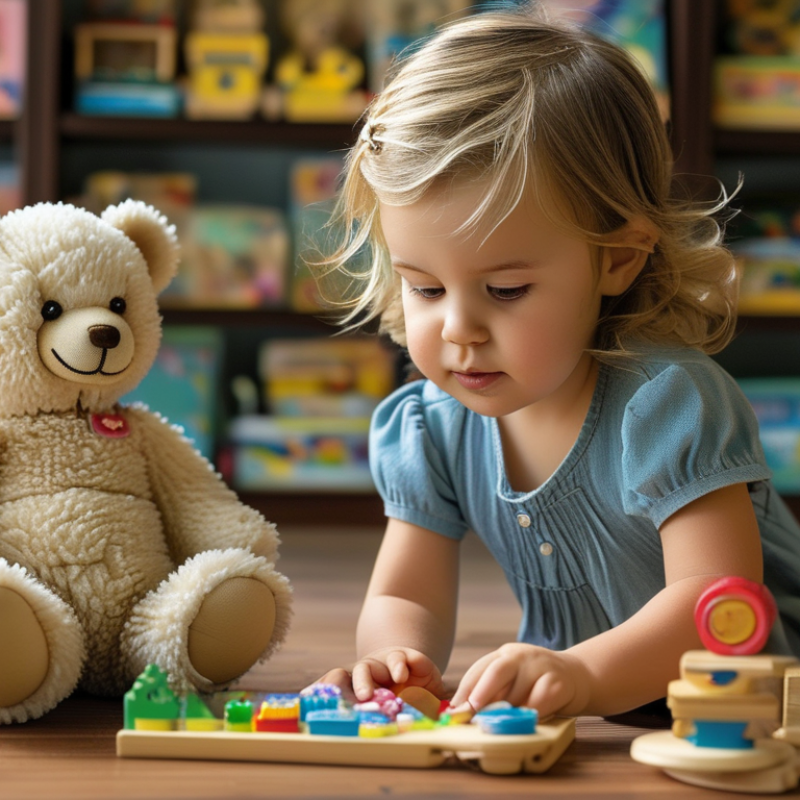
When it comes to choosing high-quality toys, several key characteristics stand out. Safety is the foremost concern. According to the American Academy of Pediatrics, around 3.7 million children visit emergency rooms each year due to toy-related injuries. Parents should always check if the toys meet safety standards. Look for certifications from recognized authorities that indicate the product is safe for its intended age group.
Durability is another essential factor. Toys should withstand rough play to ensure longevity. The Toy Association suggests that toys made from high-quality materials tend to have a longer lifespan. Inspecting seams and joints can help parents identify the durability of a toy.
Engagement is crucial, too. Toys that stimulate creativity and imagination are often deemed higher quality. For instance, toys that offer open-ended play can foster cognitive skills. Reflect on whether the toy encourages exploration and critical thinking. Not every toy on the shelf fits these criteria, so it's vital to take the time to evaluate each choice carefully.
| Characteristic | Description | Importance |
|---|---|---|
| Safety | Toys should meet safety standards and be free from harmful materials. | Essential for preventing injuries and health hazards. |
| Durability | The toy should withstand regular use without breaking or wearing out. | Important for long-term enjoyment and value. |
| Educational Value | Toys that promote learning and skill development. | Enhances cognitive and motor skills in children. |
| Age Appropriateness | Toys should be suitable for the child's age group, considering their developmental stage. | Ensures safety and maximizes learning potential. |
| Creativity and Imagination | Toys that encourage open-ended play and creativity. | Fosters innovative thinking and problem-solving skills. |
| Aesthetic Appeal | The toy should be visually appealing and engaging for children. | Attracts children's attention and enhances play experience. |
When choosing toys for children, material safety is crucial. Parents should prioritize non-toxic options to ensure their children's well-being. A study by the American Academy of Pediatrics highlights that over 70% of toys tested contain harmful chemicals. Understanding the components used in toys is vital. Many toys are made from plastics, which can release phthalates and lead if not carefully sourced.
To assess toy quality, examine labels for safety certifications. Look for terms like BPA-free and non-toxic. Toys made from natural materials, like wood or organic cotton, are excellent alternatives. In fact, research indicates that natural materials often have lower levels of harmful substances. Parents should be aware that even some “eco-friendly” toys may contain hidden toxins.
Consider the longevity of the toy as well. Durable toys reduce waste and are often safer. Many cheap plastic toys break easily, creating hazards. Parents should remember that a toy’s appearance does not always reflect its safety. Sometimes, brightly colored toys may contain harmful dyes. Being informed and vigilant allows parents to make better choices for their children's playtime.
This chart illustrates the percentage of toy components categorized by their material safety and durability, emphasizing the importance of non-toxic and long-lasting materials in toys.
Choosing age-appropriate toys is essential for fostering development. Different developmental milestones require specific types of play. For infants, toys that encourage sensory exploration are vital. Rattles and soft blocks stimulate touch and sound. They help build basic motor skills.
As children grow, their play needs evolve. Toddlers benefit from toys that promote imaginative play. Items like building sets or play kitchens enhance creativity. At this stage, safety remains crucial. Small parts can pose choking hazards. Always read age recommendations before purchasing.
Preschool and early school-age children need toys that challenge their cognitive skills. Puzzles and board games encourage problem-solving. However, not all toys suit every child’s interests and capabilities. Reflecting on each child’s unique personality can guide better choices. Observing how a child interacts with a toy can provide insights into their developmental needs.
Toys play a crucial role in children's learning and development. Recent studies show that play encourages cognitive, social, and emotional skills. According to the U.S. Department of Education, engaging with developmentally appropriate toys can boost a child's problem-solving abilities by up to 25%. This indicates that selecting the right toys is vital for enhancing educational value.
Educational toys can promote critical thinking. For instance, construction sets challenge children to design and build structures. Activities like these engage their creativity and logical reasoning. The Early Childhood Investment Corporation emphasizes that children who engage in interactive play often show better collaboration and communication skills. This is an important aspect of their future success.
While many toys claim educational benefits, it’s essential to discern quality. Not all toys marketed as educational deliver valuable learning experiences. Parents and caregivers should prioritize toys that encourage exploration and inquiry. Toys that adapt as children grow can provide long-lasting benefits. Reflecting on this, it’s clear that understanding a toy's potential impact can lead to better choices for fostering a child's development.
Durability and longevity are crucial factors in assessing the quality of toys. Research shows that nearly 70% of parents prioritize durable toys for their children. Parents often seek toys that withstand wear and tear. This is especially relevant for younger children, who tend to be less gentle with their belongings. Studies indicate that toys made from high-quality materials can last over three years, while lower-quality toys might only survive a few months.
Materials play a significant role in durability. For instance, wood and high-grade plastics generally offer better longevity than cheaper alternatives. A report from the American Society for Testing and Materials reveals that toys tested for durability were more likely to pass safety standards when made from these materials. Despite this, many parents may overlook the importance of these details. It’s essential to consider how children use their toys, rather than just their outward appearance or brand reputation.
Moreover, the design impacts a toy's lifespan. Toys designed for multiple uses often have better longevity. However, some complex toys may break easily under enthusiastic play. Around 25% of toys discarded each year do not last due to flimsy designs. Parents can benefit from evaluating the overall craftsmanship of a toy before purchase. Investigating user reviews and focusing on long-term use can guide better choices.
: Safety is the foremost concern. Always check if toys meet safety standards.
Inspect seams and joints. Toys must withstand rough play for longevity.
Engaging toys stimulate creativity and imagination. They foster cognitive skills.
Infants need toys for sensory exploration, like rattles and soft blocks.
Always read age recommendations. This helps avoid choking hazards.
Toddlers enjoy imaginative play, like building sets and play kitchens.
High-quality toys can last over three years. Lower-quality options may last just months.
Wood and high-grade plastics offer better longevity than cheaper alternatives.
Toys designed for multiple uses generally last longer. Flimsy designs can break easily.
Evaluate craftsmanship and user reviews to make better choices.
When evaluating toys for children, understanding "how to tell if a toy is good quality" involves several key factors. High-quality toys should exhibit specific characteristics, such as being made from non-toxic, durable materials that ensure safety during playtime. Additionally, it's crucial to consider age appropriateness, as toys should align with a child's developmental milestones to foster growth and learning. Furthermore, the educational value of a toy plays a significant role in enhancing various skills, making it essential to choose options that encourage cognitive and motor development.
Another important aspect is the durability and longevity of the toy. High-quality toys are built to withstand wear and tear, ensuring they can be enjoyed for years to come. By focusing on these characteristics—safety, age appropriateness, educational value, and durability—parents and caregivers can make informed decisions that prioritize both enjoyment and developmental benefits for children.
