Trues Toys Trues Toys

Why Do Babies Need Different Types of Toys for Development?

Time:2026-09-02 Author:Henry
0%

Toys play a crucial role in a baby’s development. However, many parents wonder, "Why do babies need different kinds of toys?" The answer lies in the diverse skills that babies develop during their early years. Each type of toy serves a distinct purpose. Some toys enhance cognitive skills, while others promote physical coordination or social interaction.

Babies experience rapid growth in their first year. They explore their environment through play. Sensory toys, like rattles, stimulate auditory and visual senses. Meanwhile, colorful block sets encourage problem-solving and fine motor skills. Social toys, such as plush animals, foster emotional connections and communication skills.

Understanding the need for various toys helps caregivers make informed choices. This variety challenges babies in new ways. Yet, it’s essential to balance selection without overwhelming them. Choosing the right toys can be daunting. Every baby is unique, and what works for one may not work for another. Engaging with different toys can lead to unexpected learning moments. Parents might reflect on their choices and seek tools that ignite curiosity and growth.
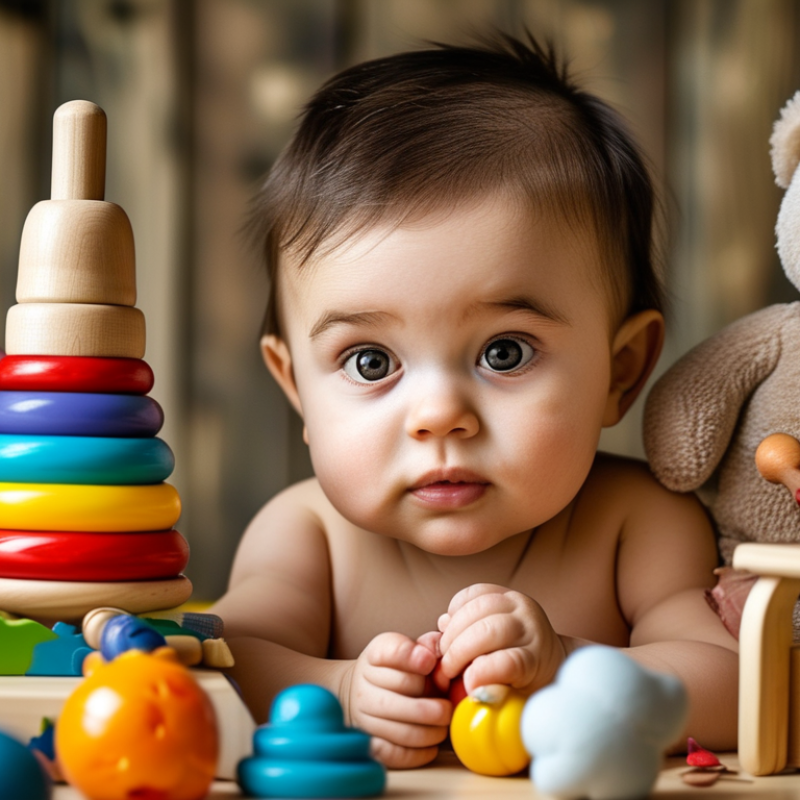
Why Do Babies Need Different Types of Toys for Development?

Types of Toys and Their Role in Infant Development

The early years of a child's life are crucial for their development. Different types of toys play a significant role in this process. Toys can stimulate cognitive skills, enhance motor development, and support social interactions. According to a 2020 report by the American Academy of Pediatrics, play is fundamental in fostering children’s brain development.

Blocks and building sets encourage spatial awareness and problem-solving skills. Soft toys help babies develop sensory skills through tactile experiences. Musical toys can improve auditory skills and rhythm perception. A mix of these toys can create a balanced environment that caters to various developmental needs. Research shows that children exposed to diverse toys demonstrate greater creativity and adaptability.

Consider incorporating multi-sensory toys into playtime. Look for items that engage different senses. This can enhance cognitive and emotional development. Observing how your child interacts with their toys can guide decisions about future purchases. Ensure that toys are age-appropriate and safe. Regularly rotate available toys to maintain interest and stimulate growth. Sharing playtime with an adult can also strengthen social bonds. Engage in play while asking open-ended questions to encourage critical thinking.

The Importance of Sensory Play in Early Childhood

Sensory play is crucial for babies as it lays the foundation for cognitive and physical development. Engaging with various textures, sounds, and visuals stimulates their senses. Research from the American Academy of Pediatrics highlights that sensory play enhances brain development by promoting neural connections. Activities like finger painting or playing with water can improve motor skills and encourage exploration.

Additionally, sensory experiences can support emotional regulation. According to a study published in the Journal of Pediatrics, babies exposed to diverse sensory activities show more adaptability in their environment. This adaptability is essential for social interactions as they grow. For instance, playing with toys that make sounds can lead to emotional responses, helping babies learn to express their feelings.

Variability in sensory play is also important. Not all babies respond the same way. Some may prefer soft textures, while others are drawn to bright colors. This individuality emphasizes the need for a wide range of toys. By understanding how different sensory inputs affect development, caregivers can choose toys that fit each child's unique preferences and needs, fostering a more responsive learning environment.

Fine Motor Skills: Building Hand-Eye Coordination through Toys

Toys play a vital role in a baby’s development, especially in enhancing fine motor skills. These skills are crucial for tasks like grasping, holding, and manipulating objects. When babies engage with toys that promote hand-eye coordination, they learn to control their movements better. Simple activities like stacking blocks or squeezing soft toys help strengthen tiny muscles in their hands and fingers.

Playing with toys that require precision encourages babies to focus. For instance, rolling a ball back and forth not only connects movement with sight but also develops judgment skills. Reaching for brightly colored objects can motivate babies to adjust their grip. Such interactions are essential for building confidence in their physical abilities.

However, it’s important to consider the challenges that come with learning. Sometimes, a baby may struggle to grasp a toy, leading to frustration. This moment can be a great opportunity for caregivers to intervene. Encouraging a baby to try again fosters resilience and problem-solving skills. Providing a range of toys ensures that babies can explore at their own pace, enhancing their overall development.

Why Do Babies Need Different Types of Toys for Development?

Toy Type Age Group Developmental Benefit Examples
Building Blocks 6 months - 2 years Enhances fine motor skills and hand-eye coordination. Wooden blocks, soft blocks
Stacking Toys 9 months - 3 years Promotes spatial awareness and dexterity. Stacking rings, nesting cups
Pull Toys 12 months - 3 years Encourages walking skills and balance. Wooden ducks, playful animals
Shape Sorters 10 months - 3 years Develops problem-solving and fine motor skills. Plastic or wooden shape boxes
Musical Instruments 6 months - 3 years Enhances auditory skills and rhythm. Xylophones, maracas

Cognitive Development: How Toys Foster Learning and Problem-Solving

Toys play a vital role in cognitive development. They engage babies in ways that stimulate learning. According to a report by the American Academy of Pediatrics, playtime leads to brain growth. During the first three years, a child's brain develops more rapidly than at any other age. This crucial period means that the right toys can foster valuable skills.

Interactive toys can enhance problem-solving abilities. For example, puzzles and stacking blocks challenge infants to think critically. A study from the University of Arkansas found that children who regularly engage with these types of toys demonstrate improved cognitive flexibility. They learn to manipulate objects and understand cause-and-effect relationships. This hands-on experience is essential for their development.

However, not all toys have the same impact. Some parents may underestimate the importance of varied play experiences. A one-size-fits-all approach may lead to missed opportunities. Research shows that a diverse range of toys can satisfy different developmental needs. This variety keeps babies engaged and curious, crucial traits for lifelong learning. Selecting toys thoughtfully can support this journey.

Social and Emotional Growth: Toys that Encourage Interaction and Imagination

Toys play a vital role in a baby’s social and emotional growth. Interactive toys spark imagination and foster connections with caregivers. When babies engage in pretend play, they explore different emotions. This type of interaction nurtures empathy and understanding in their developing brains.

In choosing toys, aim for those that encourage group play. Blocks, puppets, and dolls can inspire storytelling. These activities help babies learn to share and cooperate. As they create scenarios, they learn to express feelings and respond to others. It’s incredible to watch them mimic adult behaviors, practicing patience and kindness.

Choose toys that allow for open-ended play. Simple objects like soft balls or building sets can lead to countless imaginative scenarios. They encourage conversation and collaboration with peers or family members. Observe how your baby reacts; it’s insightful. Reflection leads to improvement in your choice of toys. Selecting toys that promote interaction fosters their emotional development effectively.

Why Do Babies Need Different Types of Toys for Development?

This chart illustrates the significance of various types of toys in promoting social and emotional development in babies. Toys that encourage interaction and imagination play a crucial role in helping infants develop essential social skills and emotional understanding.

FAQS

: Why are toys important for infant development?

: Toys stimulate cognitive skills, enhance motor development, and support social interactions, aiding in brain growth.

How do blocks and building sets contribute to development?

They encourage spatial awareness and problem-solving abilities in infants, providing a foundation for later skills.

What role does sensory play have in early childhood?

Sensory play lays the groundwork for cognitive and physical development, engaging infants' senses through diverse textures.

How can parents support their child's sensory play?

Incorporating various sensory activities, like finger painting or water play, can improve motor skills and exploration.

Why is variability in sensory play important?

Each baby responds differently; some prefer textures while others like bright colors, requiring a range of toy options.

What do interactive toys do for cognitive development?

They enhance problem-solving skills, encouraging children to think critically while they play.

Are all toys equally beneficial?

No, some toys may not engage babies enough, missing opportunities for skill development through varied play.

How can adult involvement enhance playtime?

Sharing playtime and asking open-ended questions can strengthen social bonds and encourage critical thinking.

What is the recommendation for toy selection?

Choosing age-appropriate and diverse toys can support different developmental needs and keep babies engaged.

What should caregivers observe during play?

Watching how a child interacts with toys helps guide future purchasing decisions and fosters a responsive learning environment.

Conclusion

Babies need different kinds of toys for effective development because each type of toy plays a unique role in their growth. Sensory play is crucial in early childhood, helping infants explore various textures, sounds, and colors, which enhances their sensory perception. Additionally, toys designed to develop fine motor skills aid in building hand-eye coordination, allowing infants to practice grasping, releasing, and manipulating objects.

Cognitive development is also stimulated through toys that foster learning and problem-solving skills, allowing babies to engage in activities that challenge their thinking. Furthermore, toys that encourage interaction and imaginative play promote social and emotional growth, helping babies learn about cooperation, empathy, and communication. Understanding "why do babies need different kinds of toys" underscores the diversity of developmental needs that toys address, thus supporting a well-rounded growth experience for infants.

Henry

Henry

Henry is a dedicated marketing professional with a profound expertise in the company's offerings. With years of experience in the industry, he possesses an impressive understanding of the market dynamics and consumer behaviors that drive success. Henry is committed to sharing his insights through......