Trues Toys
When buying toys, parents often face various challenges. Understanding "what mistakes to avoid when buying toys" is crucial for responsible purchasing. According to a 2022 report from the Toy Association, 55% of parents admit they’ve made poor choices in toy purchases. These missteps can lead to safety issues, limited educational value, or even financial waste.
Parents commonly overlook safety standards and age-appropriateness. A study conducted by the American Academy of Pediatrics found that toys cause approximately 240,000 injuries each year. These incidents reveal a need for greater awareness regarding product safety and suitability. Parents should prioritize buying toys that align with their children’s developmental stages.
Additionally, impulsive buying can lead to dissatisfaction. A survey from PlayAdvantage indicated that 67% of children prefer quality over quantity in their toys. This statistic highlights the importance of thoughtful selection. Parents must reflect on not just what is popular but what truly benefits their children. Making informed decisions requires research and careful consideration.
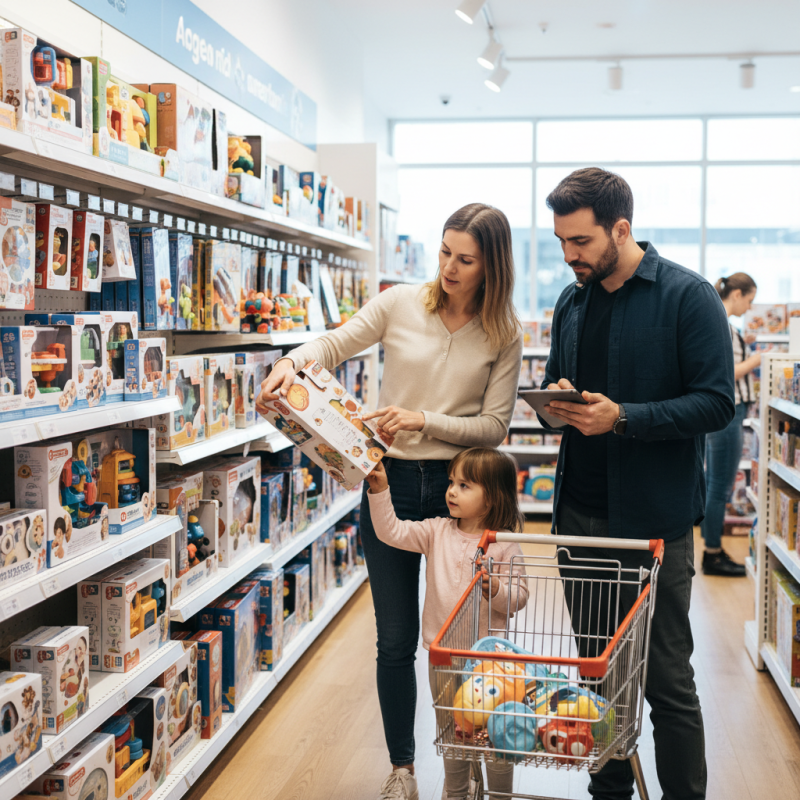
Choosing the right toy for your child involves understanding their age and developmental stage. Each age group has unique needs and interests. For infants, toys that stimulate sensory exploration are essential. Bright colors, soft textures, and safe sounds attract their attention. However, many parents overlook age recommendations on toy packaging.
When children reach toddlerhood, they start to explore more interactive toys. Puzzles and building blocks help develop fine motor skills. But, parents sometimes choose toys that are too advanced, leading to frustration. It’s crucial to observe your child’s abilities and preferences.
Tips: Always check the age guidelines on toy labels. Research developmental milestones for various ages. Engage with your child to see what captures their interest. Sometimes, simple toys like balls or dolls spark creativity more than complex gadgets. Trust your instincts as a parent. Each child has different needs that may not fit standard expectations. Adjust your purchasing decisions based on their reactions and play patterns.
When buying toys, understanding safety standards is critical. Parents should research the safety requirements set by organizations like the American Society for Testing and Materials (ASTM). According to a 2021 report from the Consumer Product Safety Commission (CPSC), nearly 200,000 toy-related injuries were treated in emergency rooms that year. Knowledge of safety standards can reduce such risks significantly.
Moreover, product recalls are essential indicators of toy safety. In 2020, the CPSC reported over 50 toy recalls due to safety concerns ranging from choking hazards to toxic materials. Staying updated on these recalls can help parents make safer choices. Websites like CPSC and various industry newsletters provide valuable insights. However, it's easy to overlook this information in a busy schedule.
Choosing toys involves more than just noise and color. Many parents assume toys are safe if they look fun. This assumption can lead to regrets. Regularly checking for recent recalls ensures that your child plays safely. Always consider not just the fun factor but also the credibility of the safety information available.
When evaluating the educational value of toys, parents must consider several factors. First, assess whether the toy promotes critical thinking. Puzzles and building sets can enhance problem-solving skills. These toys often require kids to think ahead, analyze, and adjust their strategies. Observing how children interact with these toys provides valuable insights.
Additionally, social interaction is crucial. Toys that encourage group play can build communication skills. Board games, for example, teach kids cooperation and negotiation. It’s essential to choose toys that encourage teamwork. Parents might reflect on how their child interacts with peers during playtime. This evaluation reveals the toy's potential impact on social development.
Don’t overlook the importance of creativity. Art supplies or construction toys foster imagination. However, some toys may not challenge a child's creativity effectively. Consider if the toy allows room for free expression. Engage your child in discussions about their playtime experiences. A child’s reflection can guide future toy choices, ensuring they are educational and enjoyable.
When selecting toys, considering longevity and versatility is crucial. Durable toys sustain wear and tear, lasting through countless play sessions. Parents often overlook how quickly children outgrow certain toys. Investing in multi-functional toys can prevent this waste. Toys that adapt to different developmental stages are a wise choice.
Think about a building set or a creative art kit. These can engage children from toddlers to school age. However, not all toys encourage long-term play. Some items may seem appealing but lose their charm quickly. Take time to research which toys offer lasting engagement. Reach out to other parents or educators for insights.
Reflect on your own experiences. How many toys are collecting dust in your home? This can indicate a lack of thought in purchasing. Avoid impulse buys. Instead, focus on the growth potential of each toy. A versatile toy is not just an item; it's an investment in your child's creativity and learning. The right decision leads to endless fun and learning opportunities.
Impulse purchases can quickly derail your toy-buying budget. It's tempting to grab that bright, flashy toy on sale without thinking it through. Before you buy, pause and ask yourself, “Is this a meaningful choice?” Toys should have lasting value, both in playtime and developmental benefits. Rushed decisions often lead to buyer's remorse as children lose interest in a toy after just a few days.
Set a budget before heading to the store. Allocate specific amounts for different categories, like educational toys versus fun toys. This helps you prioritize what truly matters. Use a list to guide your selections. A clear list reduces distractions. If you see something not on your list, remind yourself of your budget constraints. Stick to your plan, even when faced with enticing options.
Reflect on the past. Did you purchase toys that ended up unused? Learn from that experience. Understand what toys align with your child’s interests and developmental stage. Lasting toys often encourage creativity and learning. Focus on quality over quantity, ensuring that each toy adds value to your child's growth. Thoughtful decisions foster better play and deeper connections.
| Category | Common Mistakes | Tips to Avoid | Budget Consideration |
|---|---|---|---|
| Educational Toys | Choosing based on trends rather than learning value | Research the educational benefits before purchase | Allocate at least 30% of your budget for educational toys |
| Outdoor Toys | Ignoring safety ratings and recommendations | Check safety ratings and choose age-appropriate options | Include outdoor toys within the total toy budget |
| Building Sets | Buying sets that are too advanced for your child | Assess skill levels and consider simpler sets initially | Spend wisely on sets that match developmental stages |
| Action Figures | Purchasing purely based on character popularity | Evaluate the playtime potential beyond just popularity | Budget flexibility for variations in figures |
| Art Supplies | Buying excessive supplies without understanding usage | Plan projects before purchasing supplies | Set aside funds for necessary, quality art supplies |
: Understand your child's age and developmental stage. Each age group has unique interests.
Toys that stimulate sensory exploration are essential. Look for bright colors and safe sounds.
Interactive toys, like puzzles and building blocks, are ideal. They help develop fine motor skills.
It can lead to frustration for your child. Observe their abilities to make better choices.
Assess if it promotes critical thinking and problem-solving skills. Observe your child's interactions.
Toys that encourage group play build communication skills. Board games teach cooperation and negotiation.
Use art supplies or construction toys that allow imagination. Ensure they challenge your child's creative expression.
Yes, each child is unique. Adjust your choices based on their preferences and reactions.
Engage your child in discussions about their playtime experiences. Their reflections can guide future purchases.
Sometimes, simple toys like balls or dolls can spark creativity more than complex gadgets.
When buying toys, parents should be aware of common mistakes to avoid to ensure they make suitable choices for their children. First, understanding your child's age and developmental needs is crucial, as toys should be appropriately matched to their cognitive and physical abilities. Researching safety standards and checking for product recalls can help safeguard against potential hazards, while evaluating the educational value of toys ensures that they contribute positively to your child’s learning experience.
Additionally, considering the toy's longevity and versatility can lead to more sustainable purchases that keep children engaged over time. Finally, avoiding impulse purchases and budgeting wisely not only prevents buyer's remorse but also encourages thoughtful selection. By keeping these factors in mind, parents can effectively navigate what mistakes to avoid when buying toys, making informed decisions that enhance their child's playtime experience.
